
Any environmental reports
Phase I, Phase II, tank removal records or state program letters.
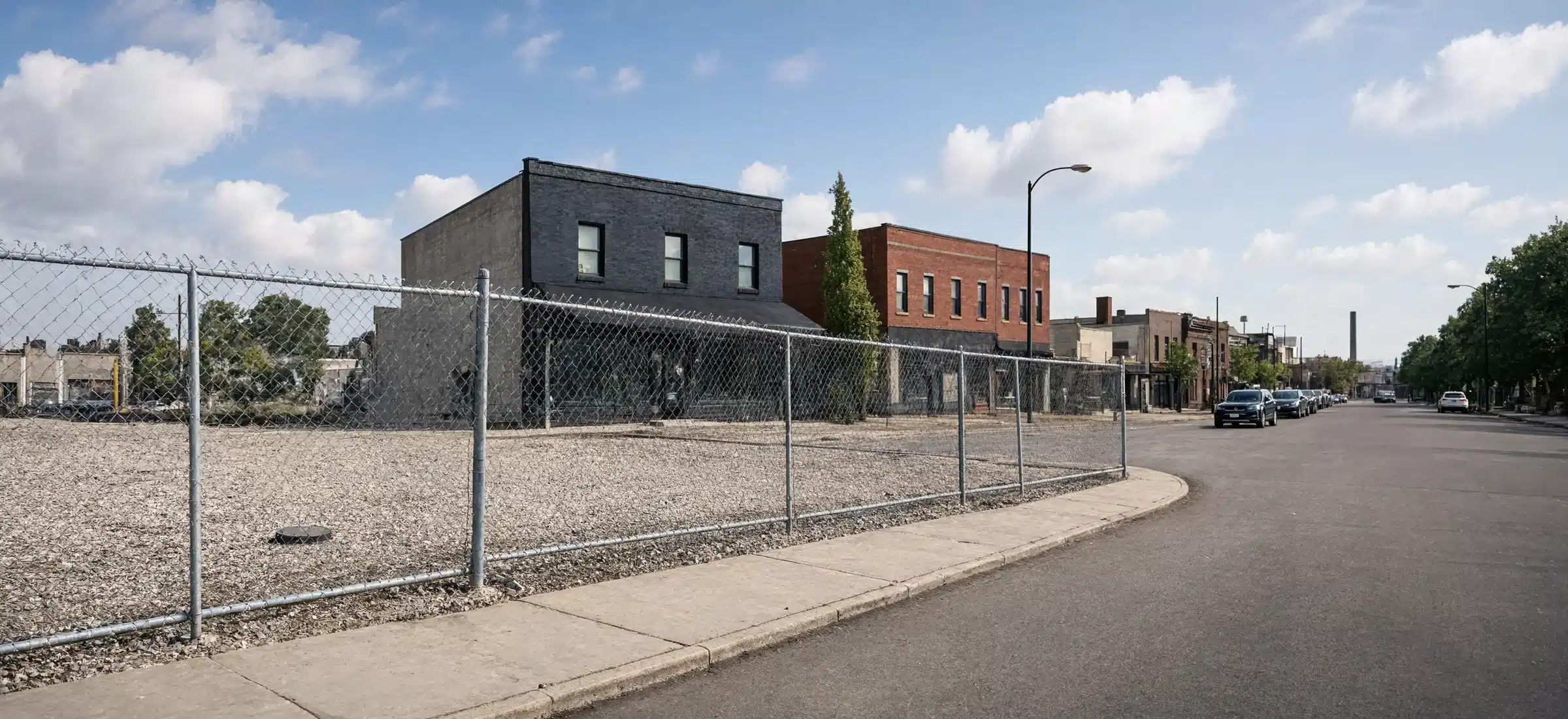
Former gas stations, dry cleaners, auto shops and industrial sites often carry environmental questions, and those questions make them hard to sell. Real Estate with Causes reviews these properties case by case. Some sites that have been investigated or cleaned up work well as donations; others are better handled another way. Either way, we talk through it on the phone before you spend money on reports.
Every property gets a look. Name, phone and email are the only required fields.
We start with the property’s history: what it was used for, whether tanks were installed or removed, and whether anyone has investigated the site. A Phase I environmental site assessment is the usual starting point, and existing reports save time and money.
A property that has been through a state cleanup program and received a no-further-action or closure letter is often a workable donation.
A known past use without a report is common. We talk through what investigation makes sense before anyone commissions it.
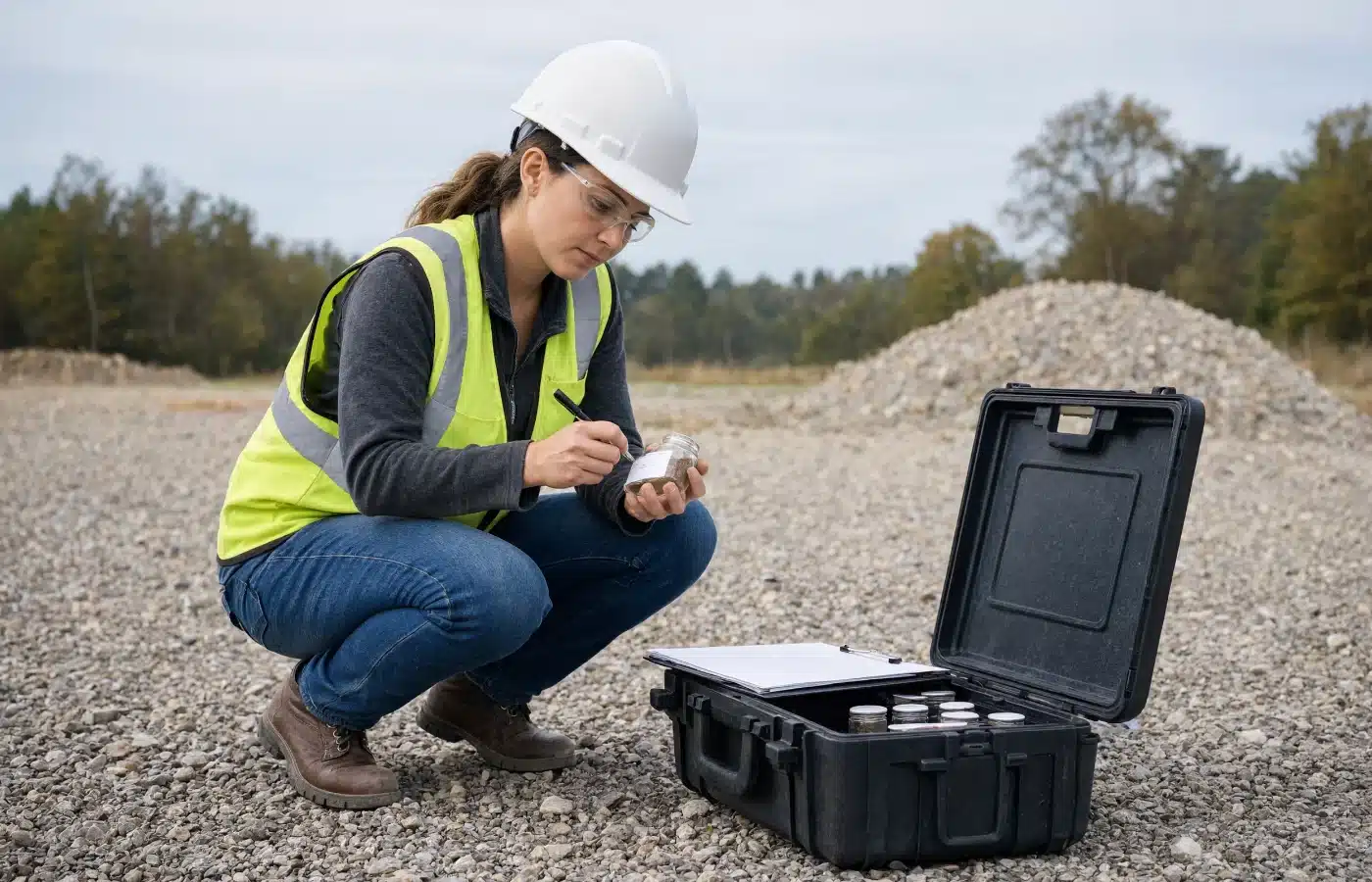

Some sites carry contamination or cleanup obligations that make them unsuitable for a donation. We discuss that on the phone rather than after you have spent money.
Other routes exist. A property can sometimes be sold to a developer who specializes in redevelopment, sold in a bargain sale, or sold locally with a cash gift of part of the proceeds, which we receipt in the usual way.
Every report helps, however old.
Phase I, Phase II, tank removal records or state program letters.
What businesses operated there and for how long, as best you know.
Letters from the state environmental agency or EPA, if any.
Tell us about it and we will review it. What matters is whether tanks were removed, whether the site was investigated and whether a closure letter exists. Some former stations work well; others do not.
No. We talk it through first. If a report is needed, we discuss the scope with you before anyone spends money.
That depends on the facts and on environmental law, which can reach past owners in some cases. This is why we review the history before a gift, and why your attorney should be involved on any site with a significant past use.
The deduction is based on fair market value, and an appraisal must account for known environmental conditions. A site with cleanup costs may appraise well below an unaffected property.
A sale to a redevelopment buyer, a bargain sale, or a local sale with a cash gift of part of the proceeds. We will point you toward the one that fits.
We do not provide tax or legal advice. See IRS Publication 526, Publication 561 and the Form 8283 instructions, and consult your own advisor.
Send the address, what it was used for and any reports you have, and we will tell you plainly what the options are.