
The current deed
Or the legal description from the county record, which we can pull.

Every real estate donation ends with a deed: the document that moves title from you to Giving Center and is recorded in the property’s county. Real Estate with Causes prepares the deed ourselves, in the form the property’s state requires, and records it. Here is which kind of deed is used, what goes on it and what happens at the recorder’s office.
States use different deed forms, and the choice affects what you promise about title. A general warranty deed guarantees clear title against all claims; a special warranty or grant deed covers only your period of ownership; a quitclaim deed conveys whatever interest you hold with no promises.
The form customary in the property’s state for a gift, chosen so you are not guaranteeing more than you should. We explain the choice before you sign.
Trustees, executors and LLC managers sign in their representative capacity, with the form that capacity requires.
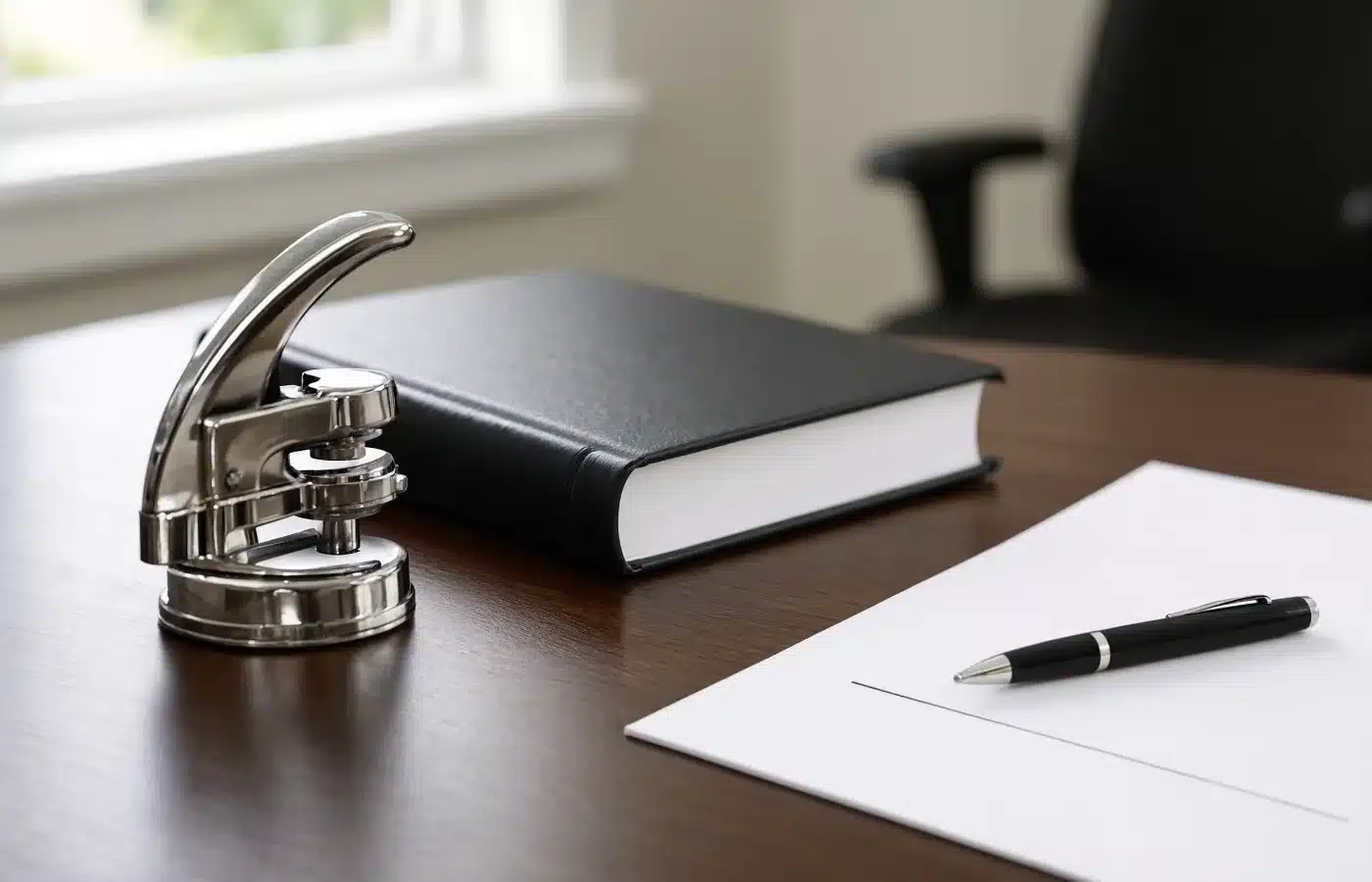
After you sign before a notary, we record the deed with the county recorder or register of deeds. Recording puts the world on notice that the property is ours.
Some states charge a transfer or recordation tax on gifts and some exempt them. Many also require a transfer declaration or affidavit of value even when no money changes hands. We prepare what the state requires.
The deed is short. These are the only things we ask for.
Or the legal description from the county record, which we can pull.
Each owner, or the person with authority to sign for an estate, trust or entity.
Any notary will do. Some states require specific acknowledgment wording, which we include.
Rarely. We review the county record and ask about anything owed. A title search comes up only in unusual situations.
We prepare and record the deed. State transfer taxes vary; where a state places the tax on the grantee, it is ours.
No, a notary is enough. You are welcome to have your attorney review the deed first.
Most counties record within days of receiving the signed original; some take several weeks to return the recorded copy.
Tell us. An unreleased lien is a paperwork problem that can usually be cleared with the old lender before or after recording.
We do not provide tax or legal advice. See IRS Publication 526, Publication 561 and the Form 8283 instructions, and consult your own advisor.
We prepare the deed for the property’s state and record it in its county.