
Step one
Send us the parcel
The parcel number or county tax bill is enough to start. We pull the county record, check the legal description and look at access and zoning.
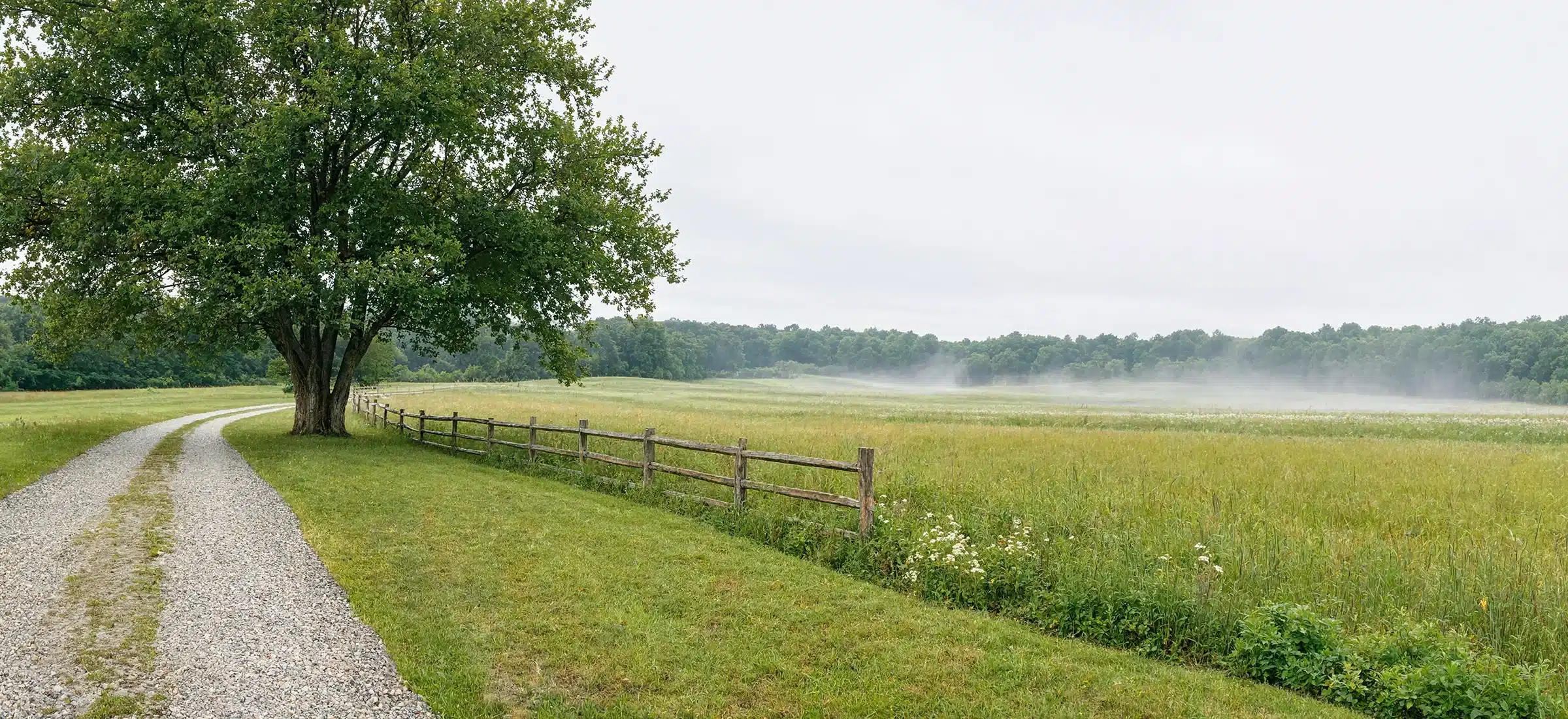
Real Estate with Causes accepts donated land nationwide: a single vacant lot, a subdivision parcel nobody built on, raw acreage, timber, hunting ground or a tract you inherited and have never seen. Land that has been paying taxes for years without earning anything is one of the most common gifts we take. We prepare and record the deed in the county where the land sits.
Every property gets a look. Name, phone and email are the only required fields.
Land is usually the simplest real estate to donate because there is no building to inspect, insure or empty. The questions are title, access and taxes, and we sort those out before anything is signed.
The parcel number or county tax bill is enough to start. We pull the county record, check the legal description and look at access and zoning.
Our staff drafts the deed in the form the state requires and records it with the county. You sign and notarize by mail, from wherever you live.
Once the deed records, the annual property tax, any HOA dues and the liability for the parcel are ours. You receive a written acknowledgment and, where required, a signed Form 8283.
Land is harder to sell than a house. Fewer buyers, fewer lenders willing to finance it, and a longer wait. This is how the two routes compare for a parcel you no longer want.
| Listing the land | Donating the land | |
|---|---|---|
| Time to be done with it | Rural and infill land can sit on the market for a long time. Buyers often need seller financing because banks rarely lend on raw land. | No listing and no waiting for a buyer. Once title and access are confirmed, the deed can record in weeks. |
| What you pay | Agent commission, which on land is often higher than on a house, plus a survey if the buyer asks for one and taxes every year it goes unsold. | No escrow, no closing and no commission. The qualified appraisal is your expense and your choice of appraiser. Back taxes are usually the donor’s, though we sometimes absorb them where the parcel supports it. |
| Survey and boundaries | A buyer or their lender may require a new survey before closing. | Usually not required for us to accept the gift. The recorded legal description is normally enough. |
| Tax outcome | Capital gains tax on the appreciation, and land held for decades often has a very low basis. | A charitable deduction reported on Form 8283. For land held more than a year the deduction is generally fair market value, limited to 30% of AGI, with a five-year carryforward. |
| Carrying cost meanwhile | Annual property tax, any HOA or road association dues, mowing orders and liability continue until it closes. | All of it transfers to us on the day the deed records. |
| Where the value goes | To you, less commission, closing costs and tax. | To our charitable programs, less the cost of the transfer and the sale. |
We do not provide tax or legal advice. Deduction outcomes depend on holding period, property type, use and a qualified appraisal. See IRS Publication 526, Publication 561 and the Form 8283 instructions, and consult your own advisor.
Six kinds of land that reach us constantly. Find the one that matches yours and read what changes, or call and describe it.
 A vacant lot in town
A buildable lot between two houses, or a leftover parcel in a subdivision that was never finished. HOA dues and mowing orders are common and we deal with both.
A vacant lot in town
A buildable lot between two houses, or a leftover parcel in a subdivision that was never finished. HOA dues and mowing orders are common and we deal with both.
 Raw acreage
Open ground with no improvements. Access, frontage and zoning drive the value, and the county record tells us most of what we need.
Raw acreage
Open ground with no improvements. Access, frontage and zoning drive the value, and the county record tells us most of what we need.
 Timberland
Standing timber is part of the property’s value and the appraisal needs to account for it. Recent harvests and timber leases matter too.
Timberland
Standing timber is part of the property’s value and the appraisal needs to account for it. Recent harvests and timber leases matter too.
 Hunting and recreational land
Land you bought to hunt, fish or camp and no longer use. Existing leases to hunting clubs transfer with the property.
Hunting and recreational land
Land you bought to hunt, fish or camp and no longer use. Existing leases to hunting clubs transfer with the property.
 Land that only costs you money
A parcel that has sent you a tax bill every year for a decade and never earned anything. This is the call we get most often about land.
Land that only costs you money
A parcel that has sent you a tax bill every year for a decade and never earned anything. This is the call we get most often about land.
 Land with back taxes owed
Reviewed, not refused. What matters is whether the amount owed is well below what the land can sell for, and what the county requires before transfer.
Land with back taxes owed
Reviewed, not refused. What matters is whether the amount owed is well below what the land can sell for, and what the county requires before transfer.
Land is often the cleanest real estate gift for tax purposes: no building, no depreciation and frequently a long holding period. The rules that still apply:
For land you have owned more than a year, the deduction is generally fair market value as established by a qualified appraisal, limited to 30% of adjusted gross income, with a five-year carryforward. Electing the 50% limit instead means deducting your basis.
Land appraisals rely on comparable sales, and rural parcels often have few. Above $5,000 the IRS requires a qualified appraisal and Form 8283 Section B, and above $500,000 the appraisal is attached to your return. The appraiser is your choice and your expense.
Land held under a year, land held as inventory by a developer or dealer, and severed mineral rights are each treated differently. A remaining mortgage makes the gift a bargain sale. None of these rule a donation out.
Yes. Many donors inherited a parcel in another state or bought it decades ago and never went back. We work from the county record, the tax bill and the recorded legal description. You do not need to visit, and you do not need to know the corners.
Usually not. The legal description on the recorded deed is normally enough for us to accept the gift. A survey only comes up if the boundaries are genuinely in dispute or the legal description is unclear, and we will tell you if that is the case.
Tell us anyway. Landlocked parcels are harder to sell, but access can sometimes be established through an easement or by a neighbor who wants the land. It changes the value, not whether we will look at it.
Only if you reserve them in the deed, and reserving them turns the gift into a partial interest, which usually eliminates the deduction for the surface. If the minerals were already severed before you owned the land, the gift covers what you hold. Tell us what the deed says and we will explain the effect.
It is common, particularly with lots in developments that stalled. Unpaid HOA dues are a property fact like back taxes, and we look at whether the lot can carry them. Current dues simply transfer to us when the deed records.
Eight other property classes, each with its own transfer rules and its own page.
Send the parcel number or the county, and we will tell you plainly whether a donation works and what it would take.