
What the business was
The type of business and how long it operated there.
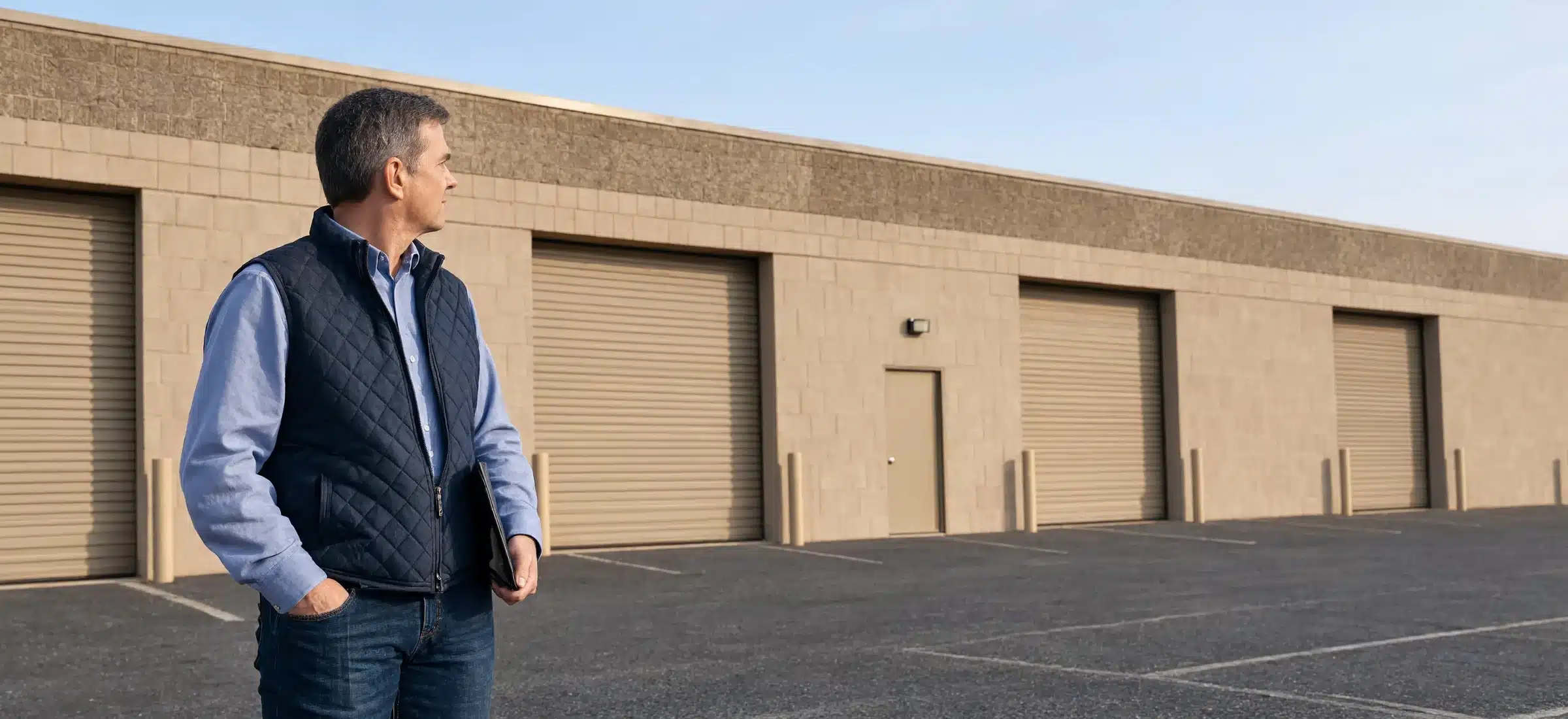
When a family business closes, sells or moves, the building it operated from is often the last thing left to deal with. It is empty, it still needs insurance and heat, and it may be too specialized for most buyers. Real Estate with Causes accepts former business premises nationwide: stores, restaurants, shops, offices and service buildings, with fixtures and equipment discussed case by case.
Every property gets a look. Name, phone and email are the only required fields.
Fixtures built into the building, such as walk-in coolers, hoods, counters and shelving bolted to the walls, normally convey with the real estate. Loose equipment, inventory and furniture are personal property and are handled separately.
Removal is usually the owner’s responsibility, but on commercial buildings where the value supports it we often take it on.
Remove any trademarked signs if the business name is being sold or kept. Blank sign structures can stay.
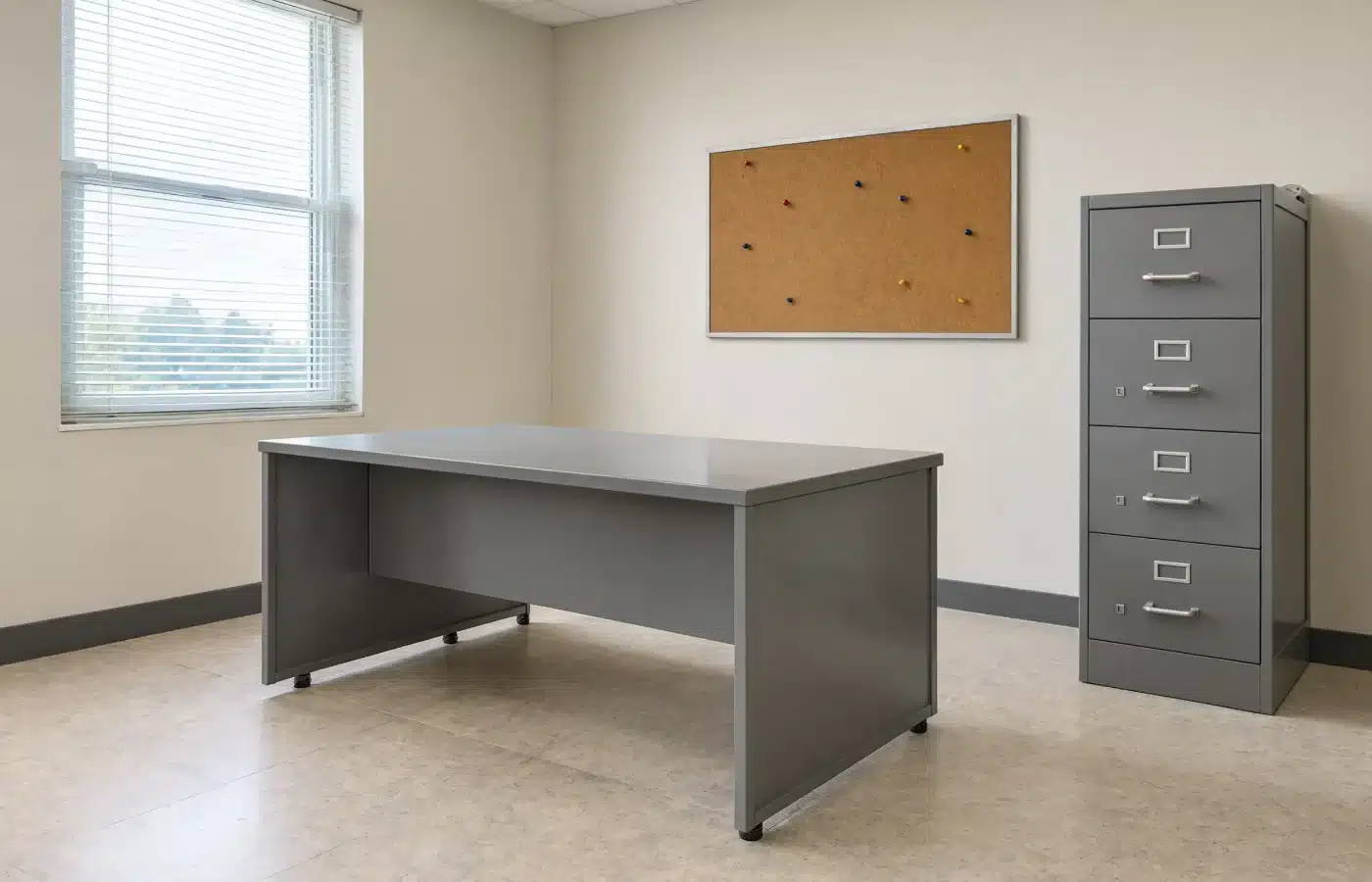
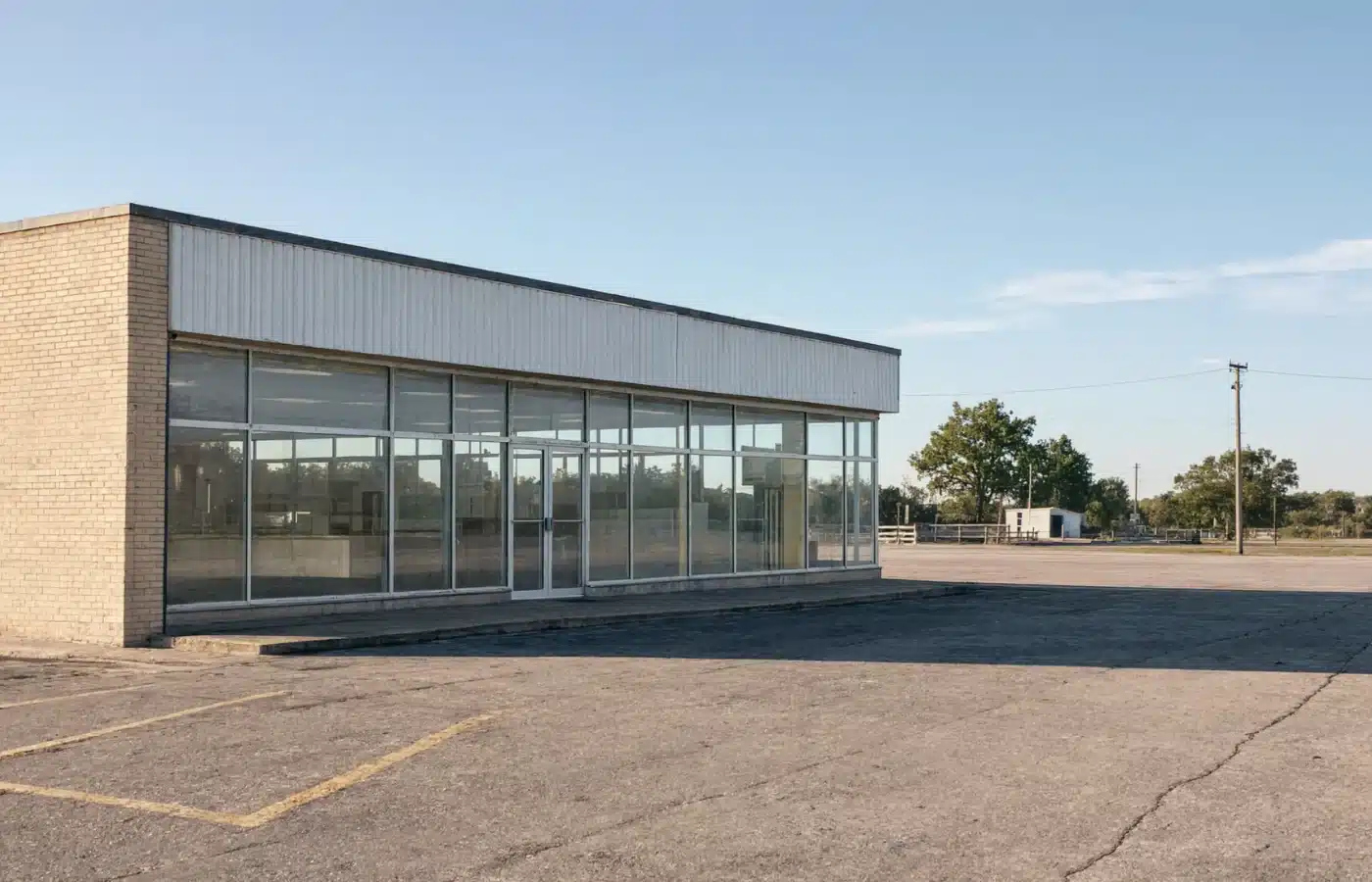
A donation of the building does not include the business itself, its name, customer lists or goodwill. If the business entity owns the building, the entity makes the gift.
For commercial property held more than a year, the deduction is generally its appraised fair market value, limited to 30% of AGI with a five-year carryforward, and depreciation taken on the building can reduce it. Your advisor will need your depreciation schedule.
A walk-through list helps us understand what is left.
The type of business and how long it operated there.
Fixtures, equipment and anything you plan to remove.
You personally, a corporation or an LLC.
Take what you want to keep or sell. Removal of the rest is usually the owner’s responsibility, but items left behind do not stop a donation, and on commercial buildings we often absorb that cost.
Yes, but equipment is personal property, not real estate. It is appraised and reported separately, and its deduction can be limited depending on how we use it.
The corporation does. A C corporation’s charitable deduction has its own limits, and an S corporation or LLC passes the deduction through to owners. Your advisor should confirm.
Specialized buildings are exactly what a donation suits, because they can take a long time to sell. Tell us what it was built for and we will review it.
Tell us. Some past uses call for an environmental look before we accept, and we talk that through on the phone first.
We do not provide tax or legal advice. See IRS Publication 526, Publication 561 and the Form 8283 instructions, and consult your own advisor.
Send the address and what business operated there, and we will tell you plainly what a donation would look like.