
Units and rents
Each storefront and apartment, who occupies it and what they pay.
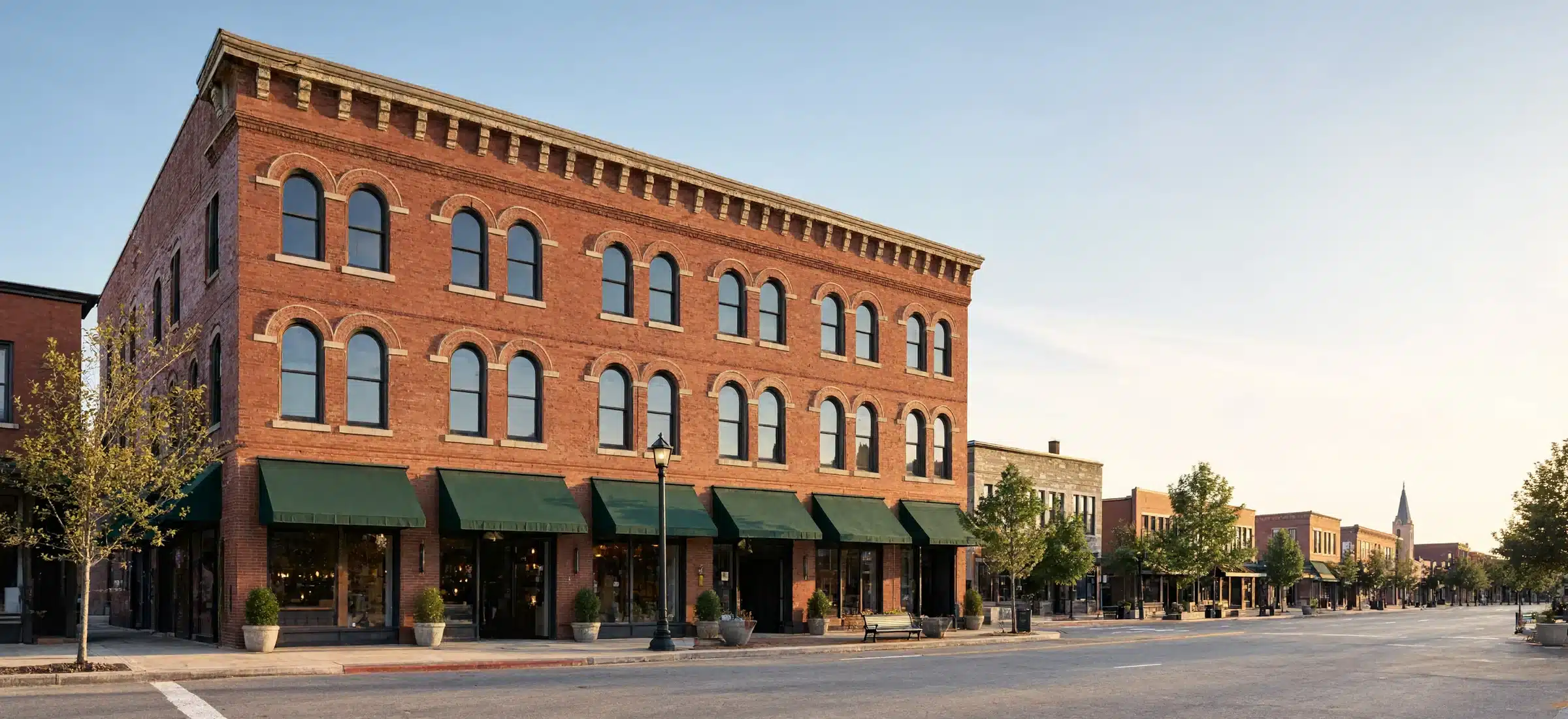
A downtown building with a storefront on the street and apartments upstairs is two properties in one: a commercial lease and a set of residential tenancies, each with its own rules. Real Estate with Causes accepts donated mixed-use buildings nationwide, occupied or vacant. Both kinds of lease transfer with the building, and we take over as landlord for all of them.
Every property gets a look. Name, phone and email are the only required fields.
The commercial tenant on the ground floor usually has a longer lease with its own terms for taxes and maintenance. The residential tenants upstairs are covered by your state’s landlord-tenant law and, in some cities, by rent regulation. Both transfer with the building.
If any apartments are rent stabilized or regulated, tell us. It affects value and what a future owner can do.
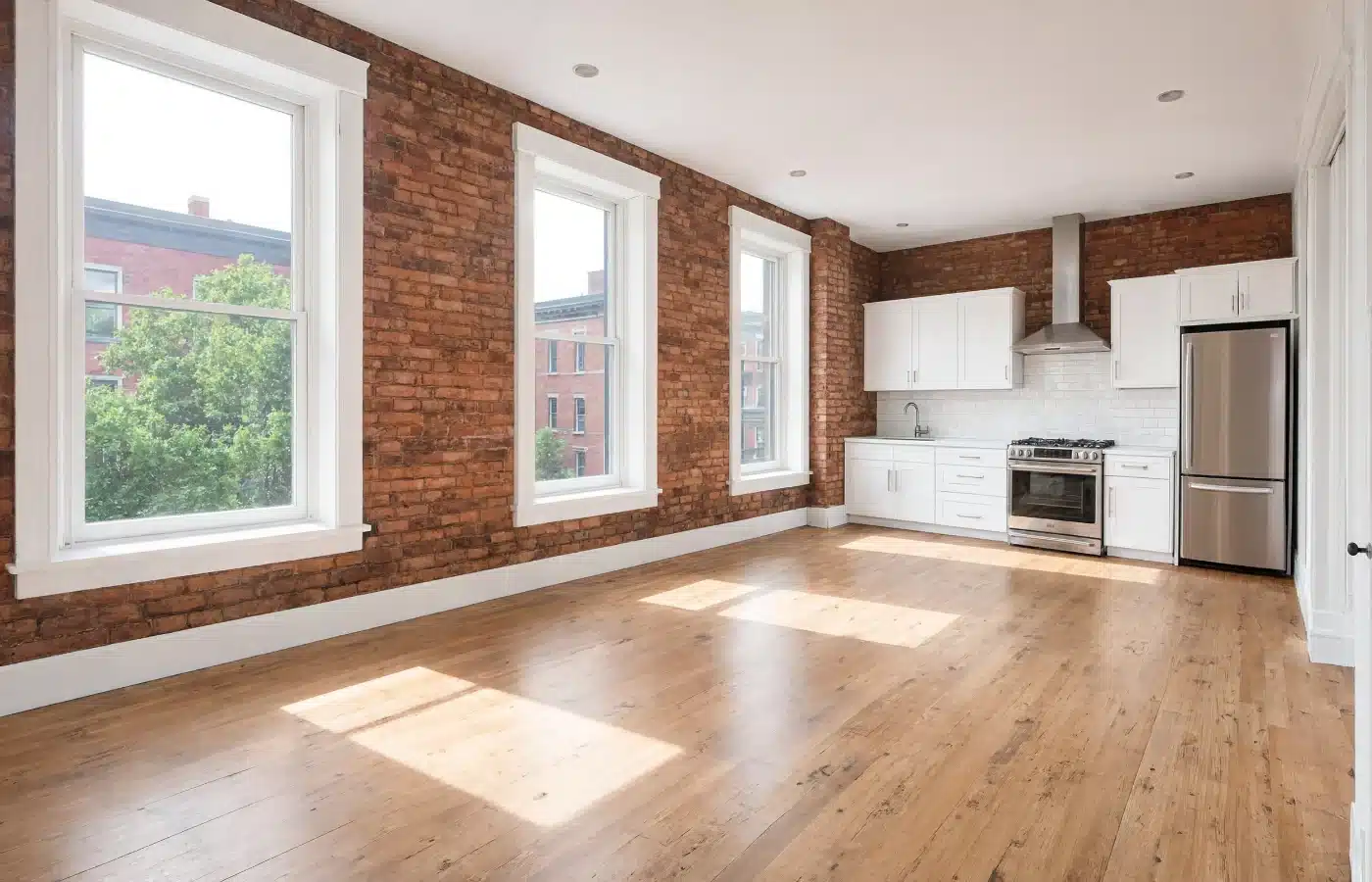
Many mixed-use buildings are a century old and sit in historic districts. That can add character and value, and it can limit changes to the facade. Past historic tax credits or a facade easement need to be disclosed, because they bind future owners.
For commercial property held more than a year, the deduction is generally its appraised fair market value, limited to 30% of AGI with a five-year carryforward, and depreciation taken on the building can reduce it. Your advisor will need your depreciation schedule.
A simple list of units and rents is the most useful thing.
Each storefront and apartment, who occupies it and what they pay.
Especially renewal options and who pays taxes and repairs.
Local district, National Register listing, tax credits or a facade easement.
Yes. Every lease stays in force with the new owner. Residential tenants are notified of the new landlord under your state’s rules.
It can add value and it can limit changes to the exterior. If the building has a recorded facade easement or received historic tax credits, those obligations transfer too.
Yes. Rent regulation affects the building’s income and value, not whether it can be donated.
Only under a lease at fair market rent. Living there rent-free after donating would be a retained interest that undermines the deduction.
No repairs are required before a donation. Tell us the age of the roof, heating and electrical, and the appraisal will reflect them.
We do not provide tax or legal advice. See IRS Publication 526, Publication 561 and the Form 8283 instructions, and consult your own advisor.
Send the address and a list of the units and rents, and we will tell you plainly what a donation would look like.