The county and parcel number
Both are on the property tax bill. If you do not have one, the county name is enough to start.
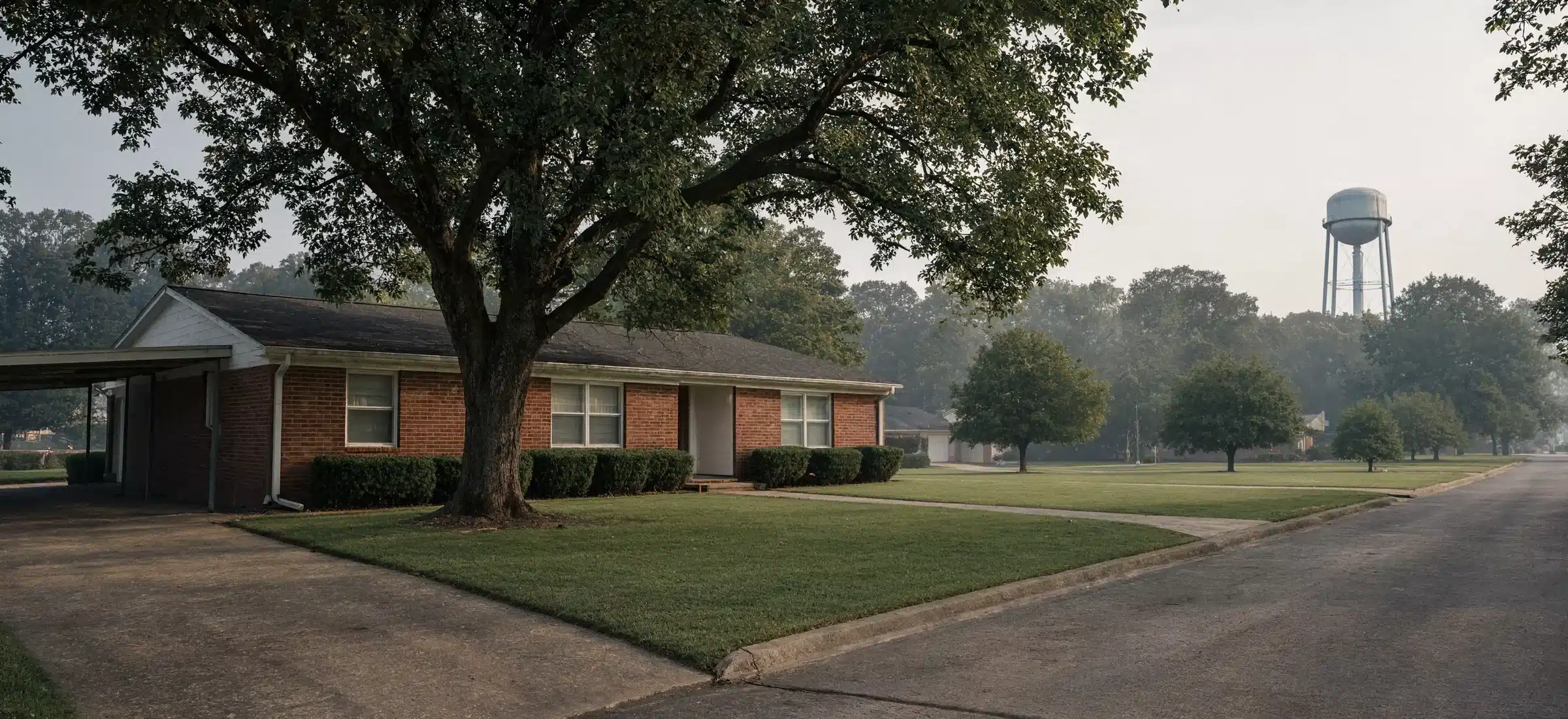
Owning property in a state you do not live in means paying taxes and insurance on something you rarely see, and managing repairs and neighbors by phone. Donating out-of-state property to Real Estate with Causes lets you hand it off without traveling. We prepare the deed in the form the property’s state requires, you sign in front of a notary where you live, and we record it in the property’s county.
Every property gets a look. Name, phone and email are the only required fields.
The property’s. Deed form, transfer and recording taxes, disclosure forms and recording procedure all follow the state and county where the real estate sits. The state you live in matters mainly for your own income tax return.
We handle the property’s state rules. Each state guide covers what applies there, including whether that state taxes a donated deed.
The federal charitable deduction follows the same IRS rules everywhere. Your home state may follow it, limit it or have no income tax at all. Your advisor can confirm.

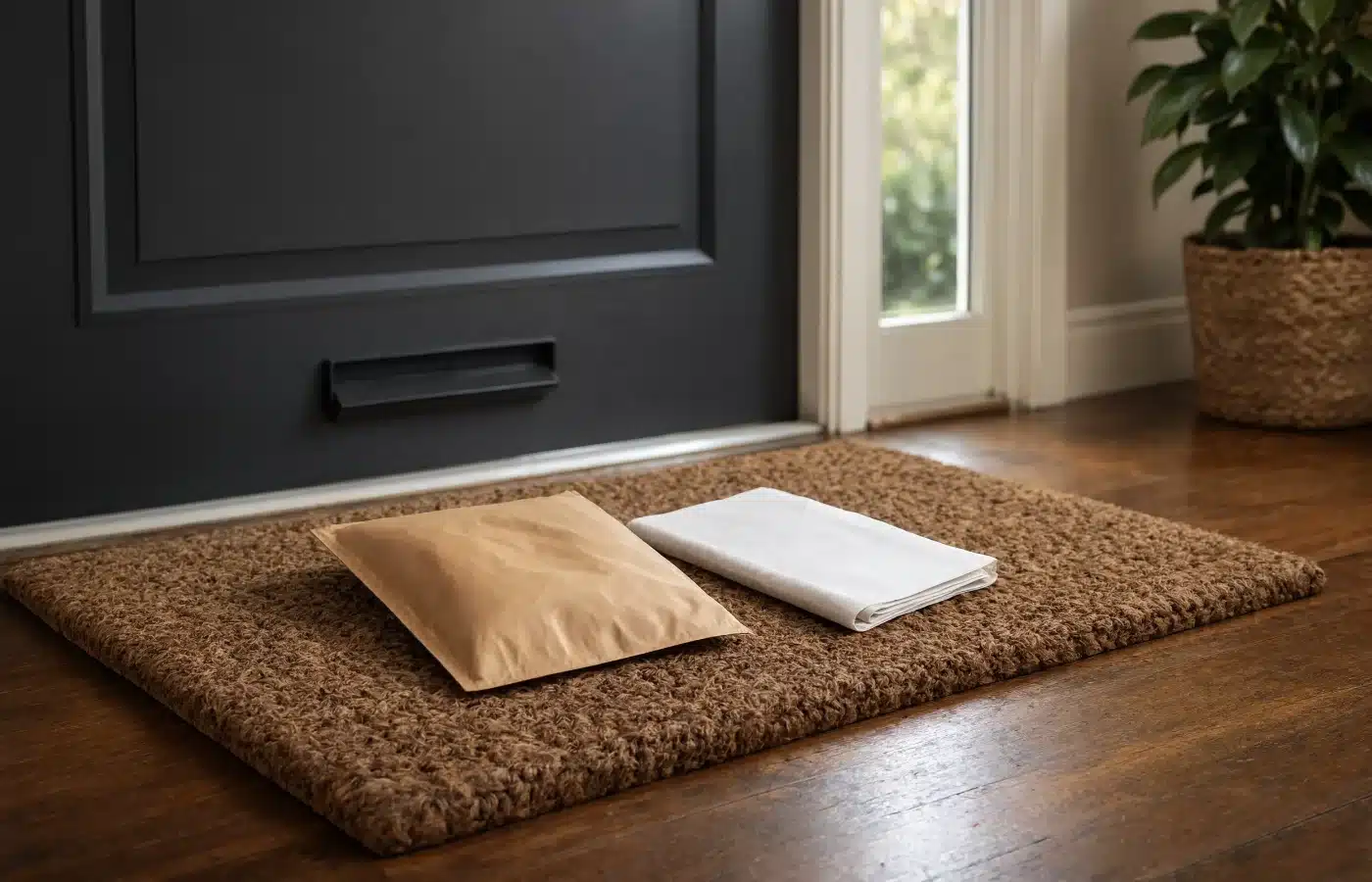
We send you the deed and the gift documents prepared for the property’s county. You sign in front of any notary where you live, and a few states require specific acknowledgment wording, which we include. You mail the signed originals back, and we record them.
If the property needs a look before we accept it, we arrange that locally. You do not need to meet anyone there.
Owners of distant property often have less paperwork on hand, and that is fine.
Both are on the property tax bill. If you do not have one, the county name is enough to start.
A neighbor, tenant, property manager or relative who can let someone in, if needed.
They show whether taxes are current and what the property costs you each year.
No. We prepare the deed for the property’s county, you sign it before a notary where you live, and we record it. If the property needs to be seen, we arrange that locally.
The state where the property sits. Some states exempt gifts, some tax the deed on value, and some have no transfer tax. Each state guide covers the rule for that state.
Not for the donation itself. We work from the county record and the tax bill. If the condition has changed, we will find out and tell you before anything is signed.
Yes. The property’s state affects the deed and recording rules. Your federal deduction is the same wherever the property is, and your home state’s rules govern any state deduction.
You do, as the owner until the deed records. After that, the property taxes are ours. We coordinate timing so nothing falls through the gap.
We do not provide tax or legal advice. See IRS Publication 526, Publication 561 and the Form 8283 instructions, and consult your own advisor.
Send the state, the county and a parcel number if you have one, and we will tell you what that state requires.