
The deed and unit number
Plus the parcel number if the county assesses the unit separately.

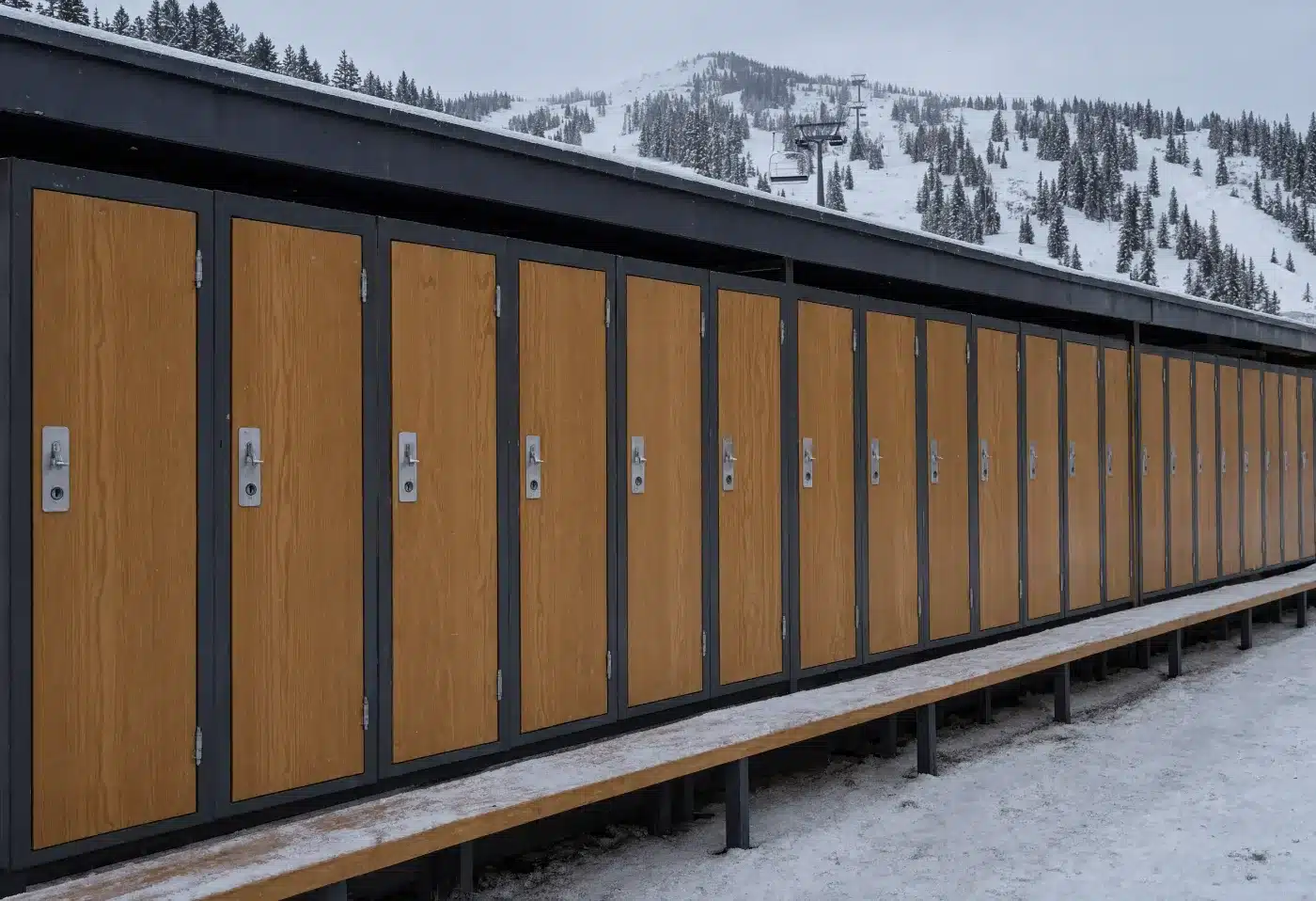
Resorts sell pieces of themselves: a hotel room you own and the operator rents out, a cabana by the pool with your name on the deed, a locker at the base of the mountain, a strip of ground that carries ski-in access. All of them are deeded real property, all of them carry dues, and all of them are harder to sell than they were to buy.
Every property gets a look. Name, phone and email are the only required fields.
A condo-hotel unit is a deeded room or suite inside a working hotel. You hold title; the operator holds a rental management agreement that puts the unit into the rental pool, takes a share of the revenue and usually limits how many nights a year you can occupy it yourself. The deed and the agreement travel together, and the agreement is where the economics live.
Cabanas, lockers and slope-access parcels are the same structure in miniature. Small deeded units, an association, a monthly or seasonal fee, and rules about who may hold them. Several resorts restrict ownership to people who also own a residence on the property, which is the first thing to check.
A timeshare conveys a week or a points entitlement. These convey a unit. If yours is a week, the right page is timeshare and fractional donations.

Distributions from the rental pool fall, an assessment for a renovation arrives, or the resort changes operator and the terms change with it. The owner who bought a unit for a few weeks of use a year finds the arithmetic no longer works, and the resale market inside a single resort is as narrow as it sounds.
For estates the issue is simpler again. A hotel room in another state, subject to a management agreement nobody in the family has read, is exactly the asset that holds a probate open. A donation closes it.
Three documents and the review can start the same day.
Plus the parcel number if the county assesses the unit separately.
Especially the term, the revenue split, the owner-use limits and whether it binds a new owner.
The current balance, the regular amount and anything voted for renovation work.
Usually yes, and often it must. That is normal and not an obstacle, but it is why we read it early. Where the operator has to approve a new owner, we handle that application.
It changes the route rather than ending it. Some boards will make an exception for a charity; where they will not, a sale to an eligible owner with a cash gift of the proceeds achieves much the same thing, receipted in the ordinary way.
It is a number we weigh, not a disqualifier. What matters is the assessment set against what the unit is worth once the work is done. Send the board’s notice with the deed.
No. Retaining the use of property you have given away is precisely the kind of arrangement the partial interest rules are written to prevent. A gift has to be a gift.
From sales of comparable units in the same resort and similar ones, with the rental agreement terms factored in, since they affect what a buyer will pay. Above $5,000 the IRS wants a qualified appraisal and Form 8283 Section B, commissioned and paid for by you.
We do not provide tax or legal advice. See IRS Publication 526, Publication 561 and the Form 8283 instructions, and consult your own advisor.
The resort name and your unit number are enough to start.