
Decree, permit or certificate
The document that establishes the right and its priority date.
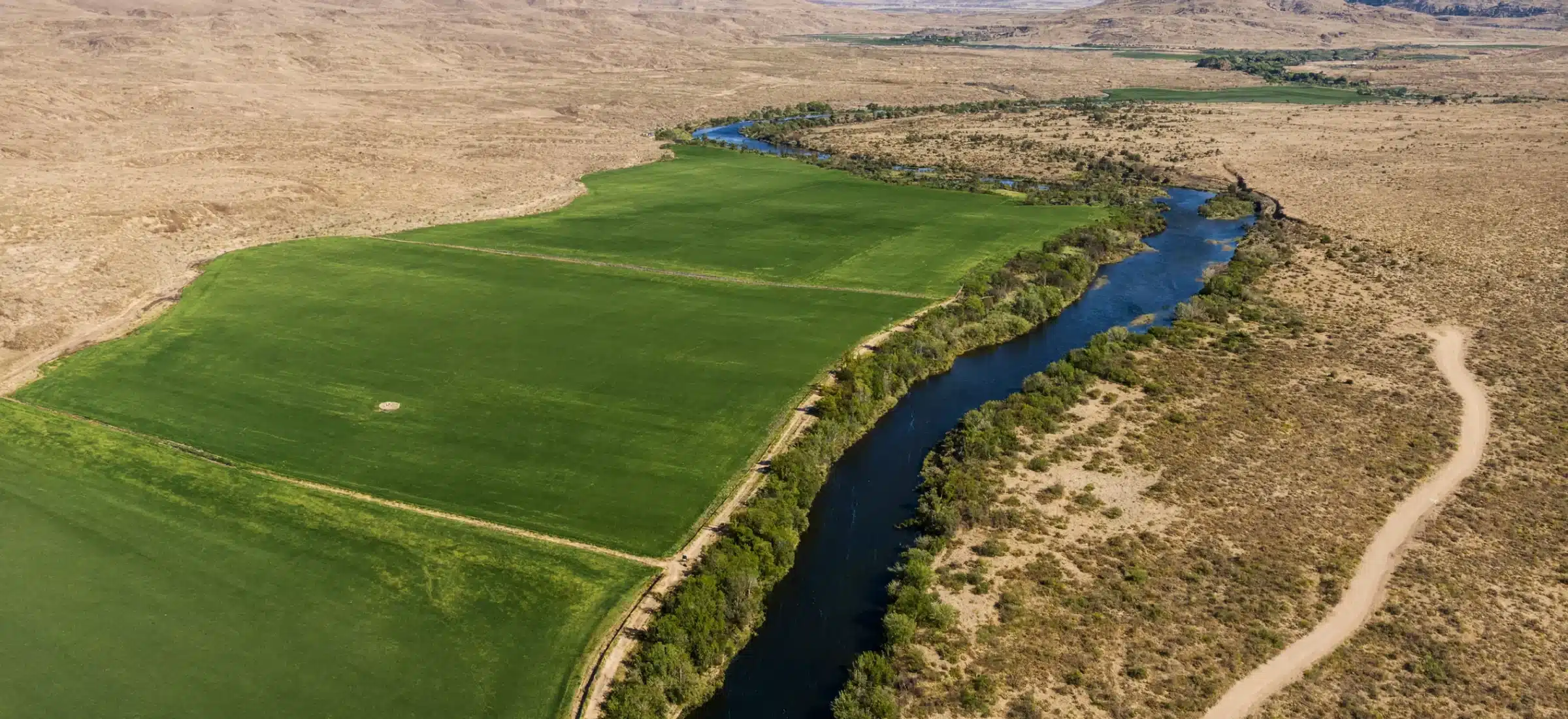
In much of the West, water rights are worth as much as the land they serve, and sometimes more. Real Estate with Causes reviews donations of irrigated land with its water rights, and of water rights held separately where state law allows them to be transferred. How the rights are held, and what the state requires to move them, decides how the gift is structured.
Every property gets a look. Name, phone and email are the only required fields.
Western water rights are usually appropriative: a right to divert a set amount of water for a beneficial use, with a priority date. They may be appurtenant to the land, held separately under a decree or permit, or represented by shares in a ditch or canal company.
Many states require approval from the state engineer or water court to change a right’s ownership, place of use or type of use. We look at what applies before the gift is structured.
In several states, a right that goes unused for a period can be declared abandoned or forfeited. Tell us how long it has been since the water was used.
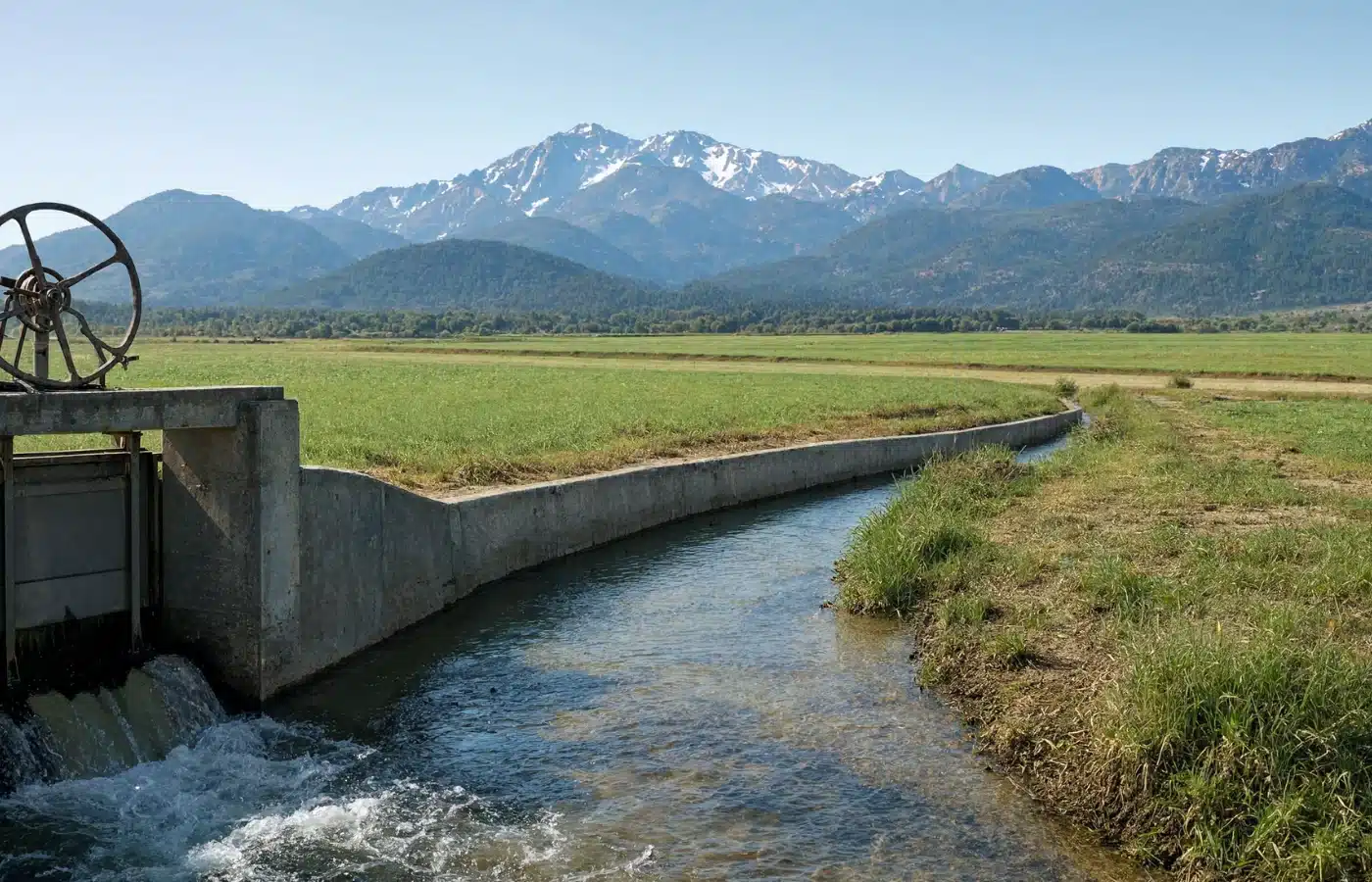
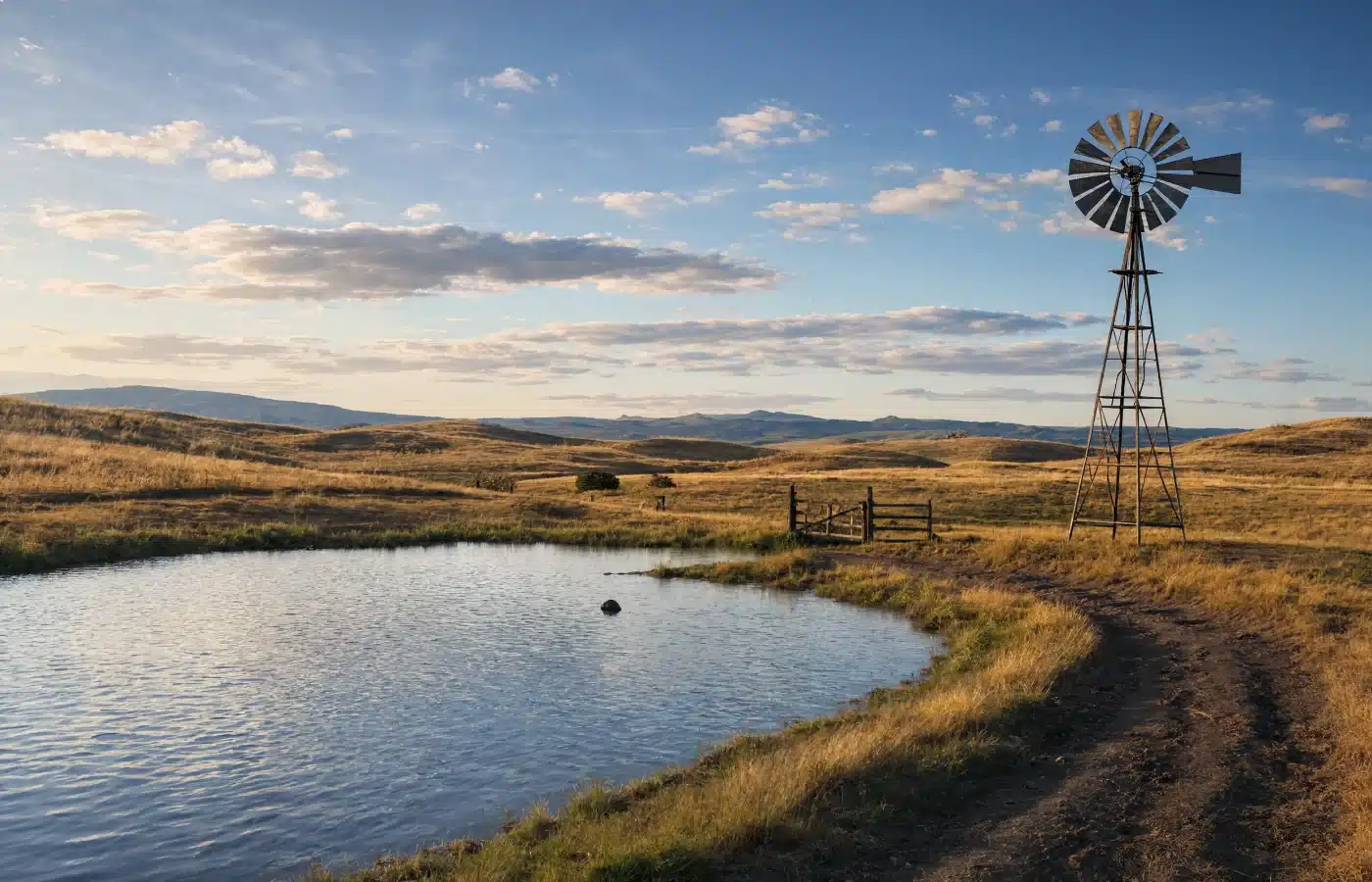
The simplest gift is irrigated land with its appurtenant water rights conveyed together in the deed. Where state law treats water rights as separate property, they can sometimes be donated on their own.
Donating the land while keeping the water, or the water while keeping the land, needs care: depending on how the rights are held, it may be a partial interest. Talk to your advisor and a water attorney before deciding.
Water paperwork varies by state. Send whatever you have.
The document that establishes the right and its priority date.
If your water is delivered through a mutual ditch or canal company.
Irrigation or diversion records showing the water has been used.
In some states, yes, where water rights are treated as separate property and can be transferred. The state’s rules and how your right is held decide it. A water attorney should confirm.
By a qualified appraiser familiar with the local water market, based on the amount, priority date, reliability and comparable transfers. Senior rights in a tight basin can be very valuable.
Not automatically. Shares in a mutual ditch company are usually separate personal property and are transferred on the company’s books. We make sure they move with the gift if they are part of it.
It can be. Some states treat long non-use as abandonment. Tell us the history and we will look at the risk before anything is signed.
A change of ownership alone may only need to be recorded, but a change in how or where the water is used often needs approval. We check what applies.
We do not provide tax or legal advice. See IRS Publication 526, Publication 561 and the Form 8283 instructions, and consult your own advisor.
Send the state, the decree or permit number and how the water is used, and we will tell you plainly how a gift could be structured.