
The certificate
Photograph the front and back. The section, lot and space numbers are the part we need.
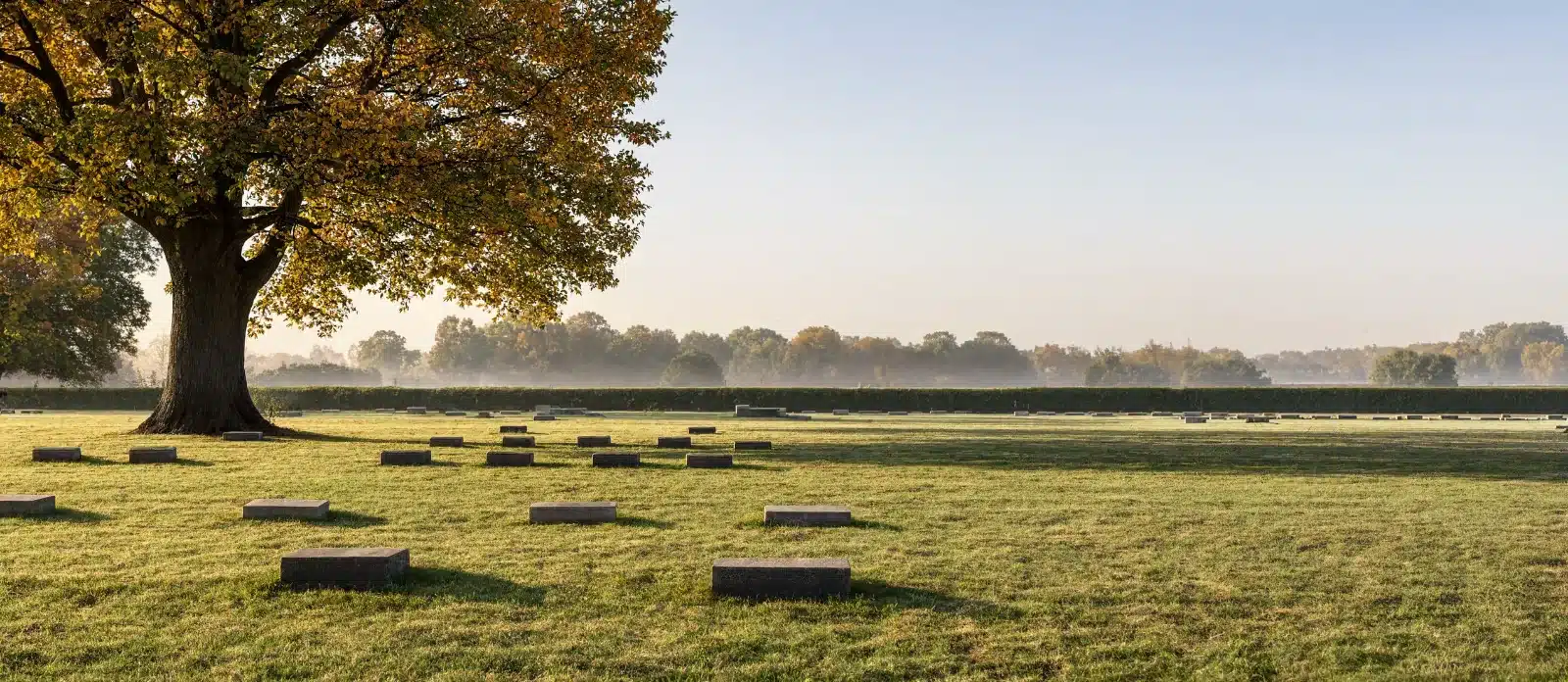
Families buy in fours and sixes, then move, remarry, or choose cremation. What is left is a certificate for spaces nobody will use, often bought decades ago, sometimes in a town no one has lived in for years. Cemeteries restrict resale, so these are hard to sell privately. They can frequently be donated instead.
Every property gets a look. Name, phone and email are the only required fields.
In most states a cemetery plot is not fee ownership of the soil. What you hold is a right of interment: an exclusive right to bury in a specified space, issued by the cemetery, which continues to own and maintain the ground. The paper is often called a deed and behaves like one in some respects, which is why the distinction surprises people.
That structure shapes everything downstream. The cemetery’s rules govern transfer, most require the cemetery’s written consent, and many hold a right to repurchase at the original price before a holder may transfer to anyone else. A few states regulate the resale of interment rights directly.
A right of interment can carry real value, particularly in older urban cemeteries that sold out long ago and where current prices are far above what a family paid in 1968.


The most common story is an estate. Someone dies, the family finds a certificate for four spaces, two are used and two are not, and the survivors live four states away. Selling them privately means finding a buyer in that specific cemetery and satisfying that cemetery’s rules, which is a project nobody in a grieving family wants.
The second is a decision that changed. Plots bought in middle age, then cremation chosen instead, or a move that made the location meaningless. In some states annual or endowment care charges continue regardless, so the spaces cost money to keep.
Three things and we can usually tell you quickly whether it will transfer.
Photograph the front and back. The section, lot and space numbers are the part we need.
Together with the name the right is recorded in, which may be a grandparent’s.
Most publish one. If yours does not, we will ask them.
Sometimes, and it turns on state law and on the wording of your certificate. In many states it is a right of interment rather than title to the land, which is closer to an easement than to a deed. Either way it can be given where the cemetery permits transfer; what changes is how the gift is documented.
That is a common rule and often a repurchase at the original price. Where that is the only route, the clean answer is to take the repurchase and donate the cash, which is receipted in the ordinary way. We will tell you when that is the better path rather than pushing a transfer that cannot happen.
Against the cemetery’s current price list for comparable spaces and any documented resales in that cemetery. Older cemeteries in built-up areas can be worth considerably more than the purchase price. Above $5,000 the IRS wants a qualified appraisal and Form 8283 Section B, and the appraisal is yours to commission.
Yes. Splitting a family lot is routine, and the cemetery will usually reissue certificates for the retained and transferred spaces. Tell us which spaces you are keeping.
Whoever has authority over the estate, usually the personal representative, under the cemetery’s rules for transfer on death. Tell us where the estate stands and we will tell you what the cemetery will need.
We do not provide tax or legal advice. See IRS Publication 526, Publication 561 and the Form 8283 instructions, and consult your own advisor.
The cemetery name and the section and lot numbers are enough to start.