
Letters testamentary
Or letters of administration, showing who has authority to act for the estate.
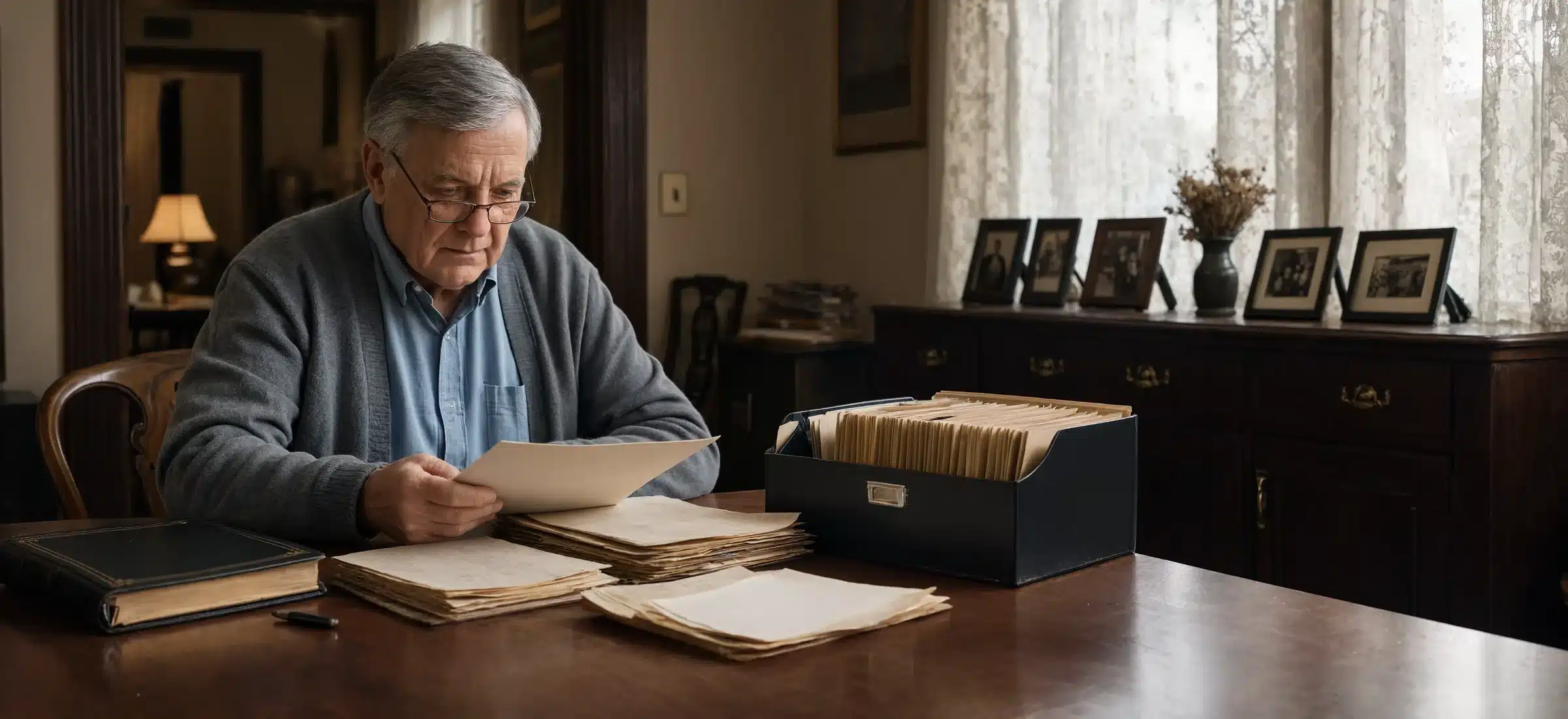
Executors are often left holding real estate the heirs do not want, in a town none of them live in, while the estate pays the taxes and insurance. Real Estate with Causes works directly with executors, administrators and estate attorneys to accept property during probate. The will and the court’s authority decide how, and we look at both before anything is signed.
Every property gets a look. Name, phone and email are the only required fields.
An executor can donate estate property only within the authority the will and the court give them. Some wills direct a charitable gift or give the executor broad power to dispose of property. Others are silent, and the executor may need the heirs’ consent or the court’s approval.
In states that allow it, an executor with independent authority can often convey property without court approval. We review the letters and the will with your attorney.
Sometimes it is simpler to distribute the property to the heirs and have them donate it. The deduction then belongs to them rather than the estate.

If the estate makes the gift, the charitable deduction belongs to the estate, and whether it is allowed depends on what the will authorizes. If the heirs receive the property and donate it, each heir deducts their share on their own return.
Inherited property generally takes a basis equal to its value at death, which often makes the tax gap between selling and donating smaller than for property the owner held for decades. Your estate attorney and tax advisor should decide which route serves the estate best.
Your estate attorney will have all of this.
Or letters of administration, showing who has authority to act for the estate.
Especially any section on real estate, charitable gifts or the executor’s powers.
It gives us the parcel number and shows whether taxes are current.
Often, yes, if the will or the court gives the executor that authority. Some states require court approval for a transfer that is not a sale. Your estate attorney can confirm what applies.
Not always legally, if the executor has authority, but it is wise to have their agreement. A donation reduces what the heirs would otherwise receive, and disputes can delay everything.
If the estate makes the gift and the will authorizes it, the estate may take a charitable deduction on its fiduciary income tax return. If the heirs donate after distribution, they take it individually.
Estate creditors generally have to be paid before gifts. If the estate is insolvent, the executor may not be able to donate property that is needed to pay debts. Your attorney can advise.
Yes. Heirs usually remove what they want to keep. Cleanout of the rest is usually the estate’s responsibility, but items left behind do not stop a donation, and on some properties we absorb that cost.
We do not provide tax or legal advice. See IRS Publication 526, Publication 561 and the Form 8283 instructions, and consult your own advisor.
Send the property address and where probate stands, and we will work with you and your attorney on the next step.