
The document
A deed and parcel number, or the membership agreement. Photograph both sides if it is a certificate.

Resort RV lots, campground parcels and stable stalls are sold two ways: as real property with a deed and a tax bill, or as a membership that conveys the right to use somebody else’s land. The first is a straightforward real property gift. The second is a different transaction, and we will tell you which one you are holding before anything else happens.
Every property gets a look. Name, phone and email are the only required fields.
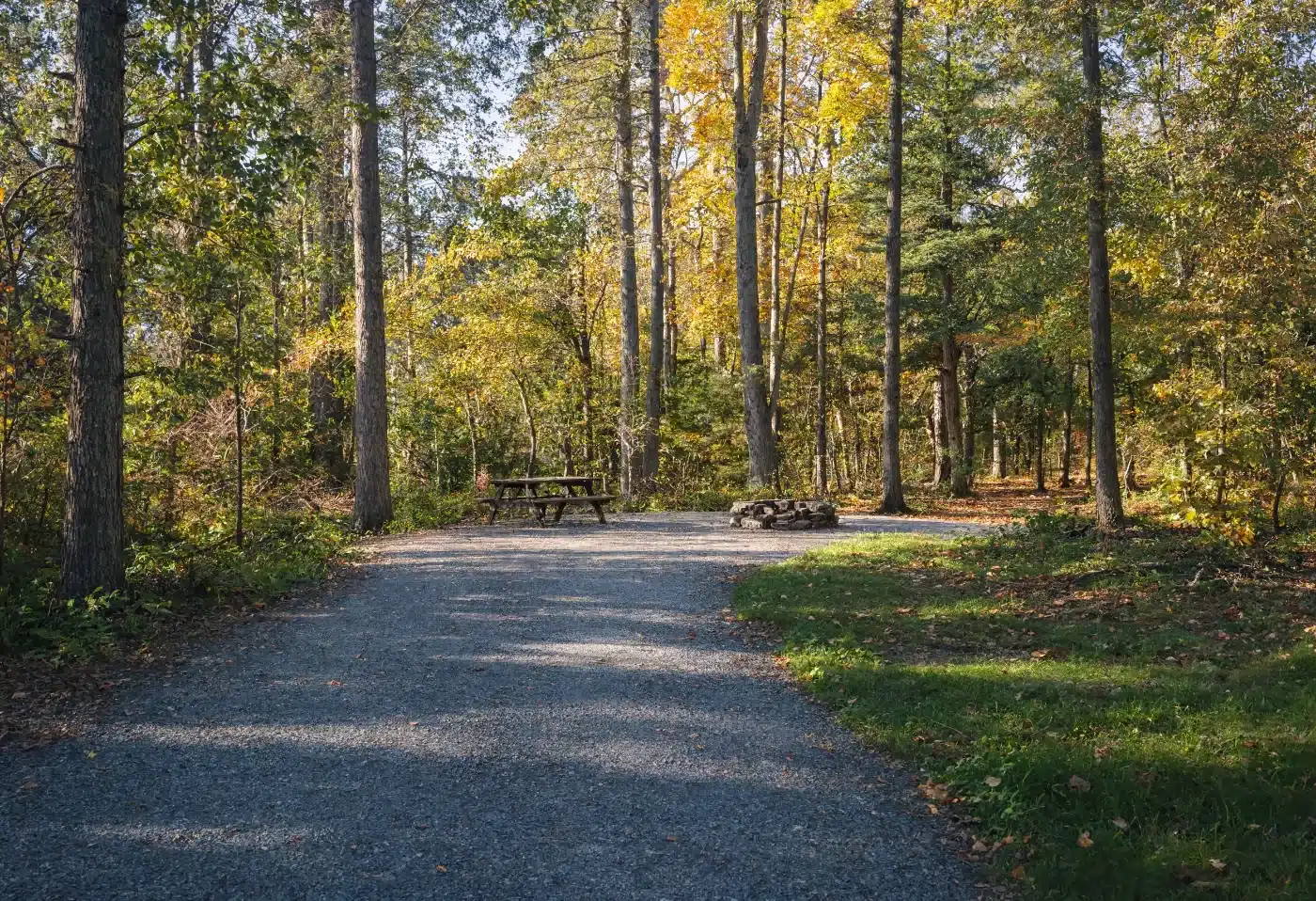
Deeded RV resorts sell individual pads as real property. The lot has a legal description, a parcel number, a county tax bill and an owners association, and it transfers by deed like any other parcel. Some are large enough for a park model; some are a concrete pad, a utility pedestal and a patch of grass.
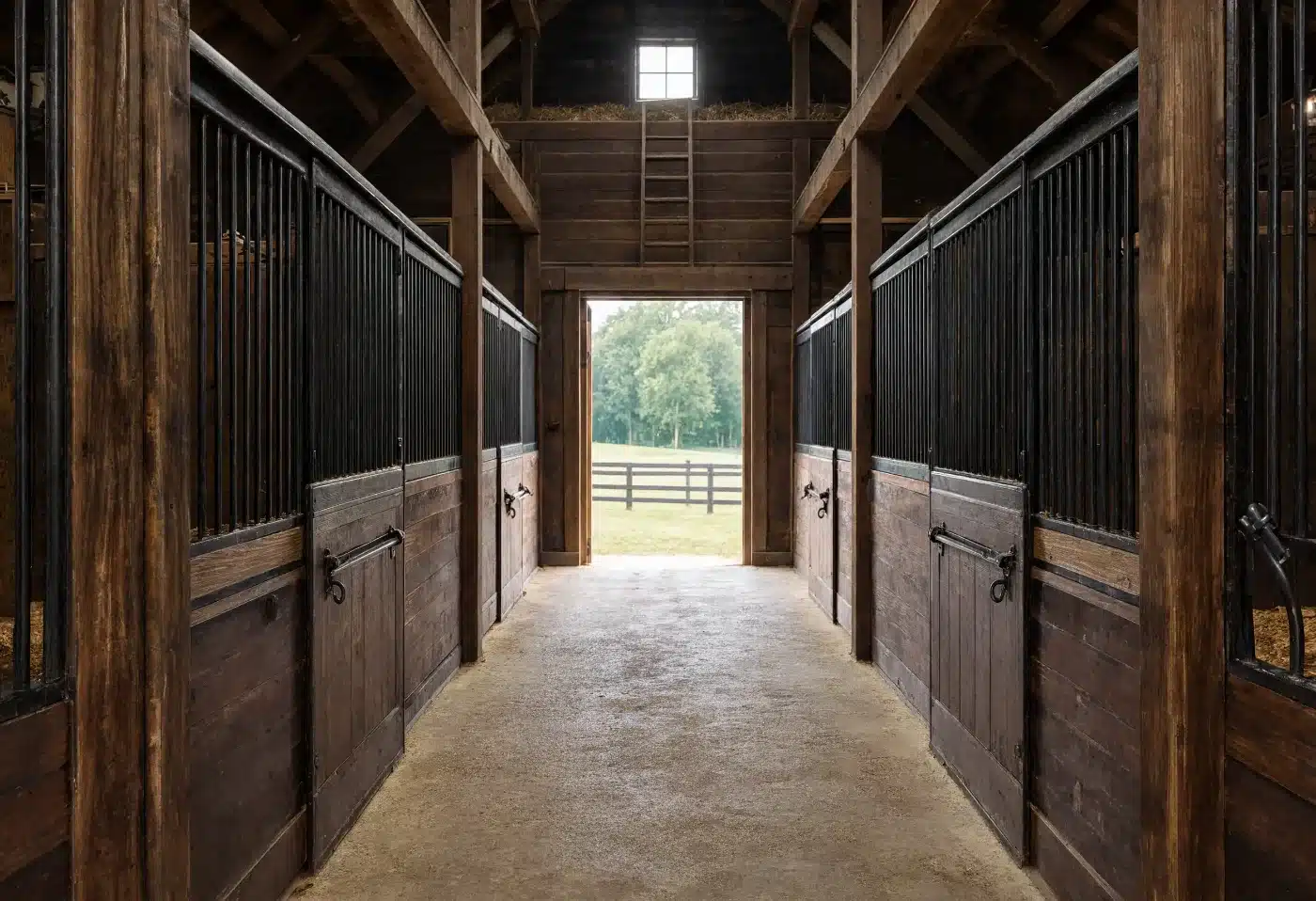
Membership campgrounds sell something else: a contract right to use the grounds, sometimes for a fixed term, sometimes for life, usually with annual dues and a transfer fee. That right may have real value to the holder and still convey no interest in land. Equestrian stalls sit on both sides of the line, sometimes condominium units in a barn, sometimes a long-term right to a stall and a share of the paddock.
A gift of real property and a gift of a contract right are substantiated differently and valued differently. Reading your document first saves everyone from discovering that at filing time.
Health, mostly, and time. The rig was sold, the horse was sold, the family stopped coming, and the dues did not stop. Annual assessments on a recreation lot are small enough to ignore for a year or two and large enough to resent by year five.
Resale is the other half of it. These lots sell to a narrow local buyer pool, often through the resort office itself, and a listing can sit for a long time. Heirs who inherit one from three states away usually want it resolved rather than marketed.
Three things tell us whether this is a deed transfer or a contract assignment.
A deed and parcel number, or the membership agreement. Photograph both sides if it is a certificate.
The current balance and the annual amount, plus any transfer fee the resort charges. Most charge one.
Whether the association has to approve a new owner, and whether it holds a right of first refusal.
Send it over and we will read it. If it conveys an interest in land, it is a real property gift. If it is a use contract, it can still be transferable and still be worth something, but it is substantiated differently and we will say so up front rather than after the fact.
That gets settled in the review along with the dues balance. On sites where the numbers support it we absorb transfer costs; on marginal ones we will tell you plainly what we can and cannot cover.
Separate gifts, different program. Cars with Causes takes motorhomes, travel trailers and tow vehicles.
It can. Age-restricted and residency-restricted communities sometimes will not accept an entity as owner. Where that is the case the workable route is often a sale to an approved buyer with a cash gift of the proceeds. We find out before you commit to anything.
From sales of comparable lots in the same resort, which the resort office usually tracks. Above $5,000 the IRS wants a qualified appraisal with Form 8283 Section B, commissioned by you and paid for by you, which is what makes it qualified.
We do not provide tax or legal advice. See IRS Publication 526, Publication 561 and the Form 8283 instructions, and consult your own advisor.
The resort name and your lot or space number are enough to start.