The parcel number
It is on the county tax bill and lets us pull everything else from public records.
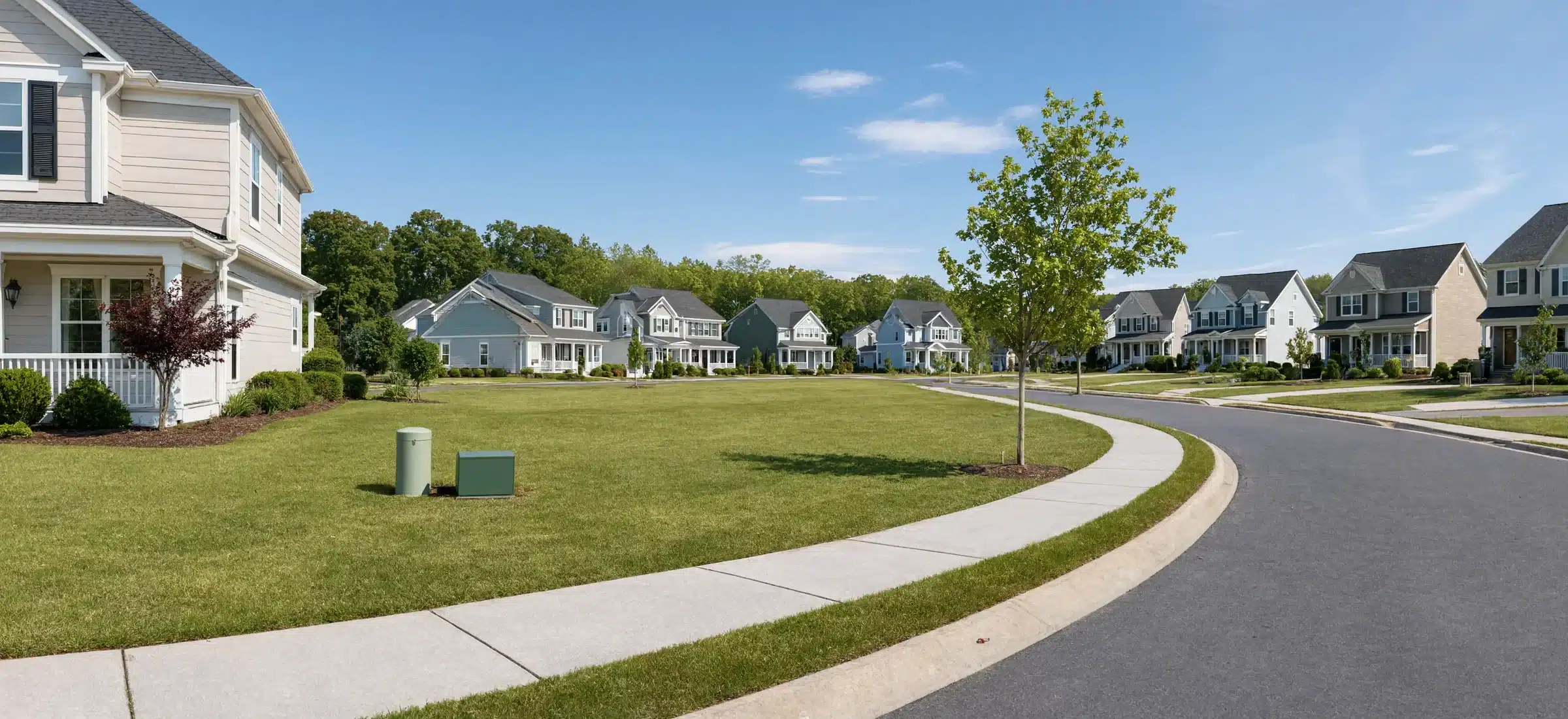
A vacant lot is one of the simplest pieces of real estate to donate: no building to inspect, no tenants and nothing to clean out. It is also one of the most common things owners want to be rid of, because an empty lot still sends a tax bill, often an HOA bill, and sometimes a mowing notice from the city. Real Estate with Causes accepts vacant lots in towns, subdivisions and cities nationwide.
Every property gets a look. Name, phone and email are the only required fields.
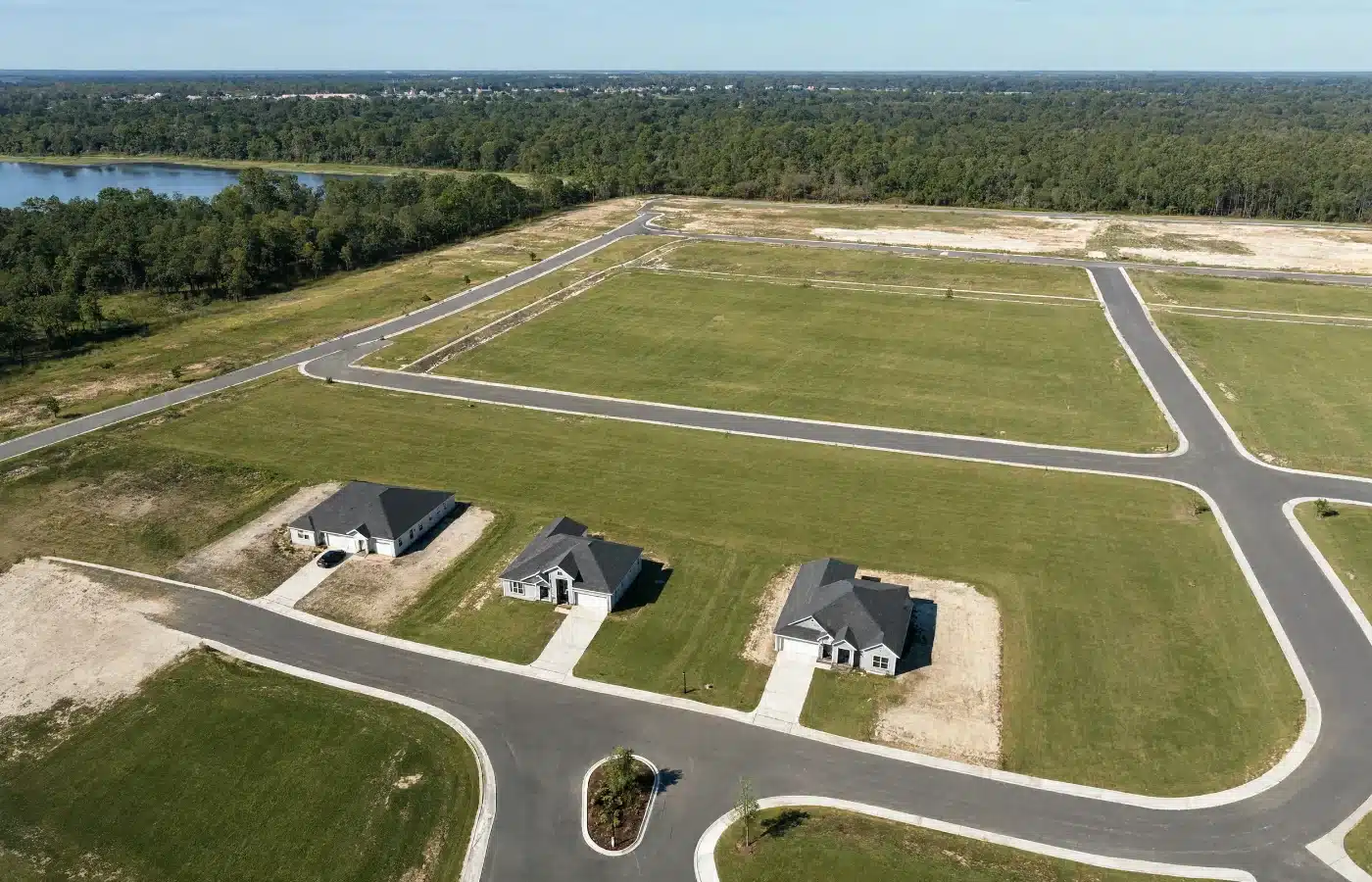
Many donated lots are in developments that were never finished, where the streets and utilities are in but only a few houses were built. The lot usually carries HOA dues and sometimes build-by deadlines or architectural rules.
Dues that have fallen behind are usually a lien on the lot. They are reviewed like back taxes: what matters is whether the amount owed is well below what the lot can sell for.
Whether water, sewer and power reach the lot changes its value. The county or HOA usually knows, and so do we once we look.
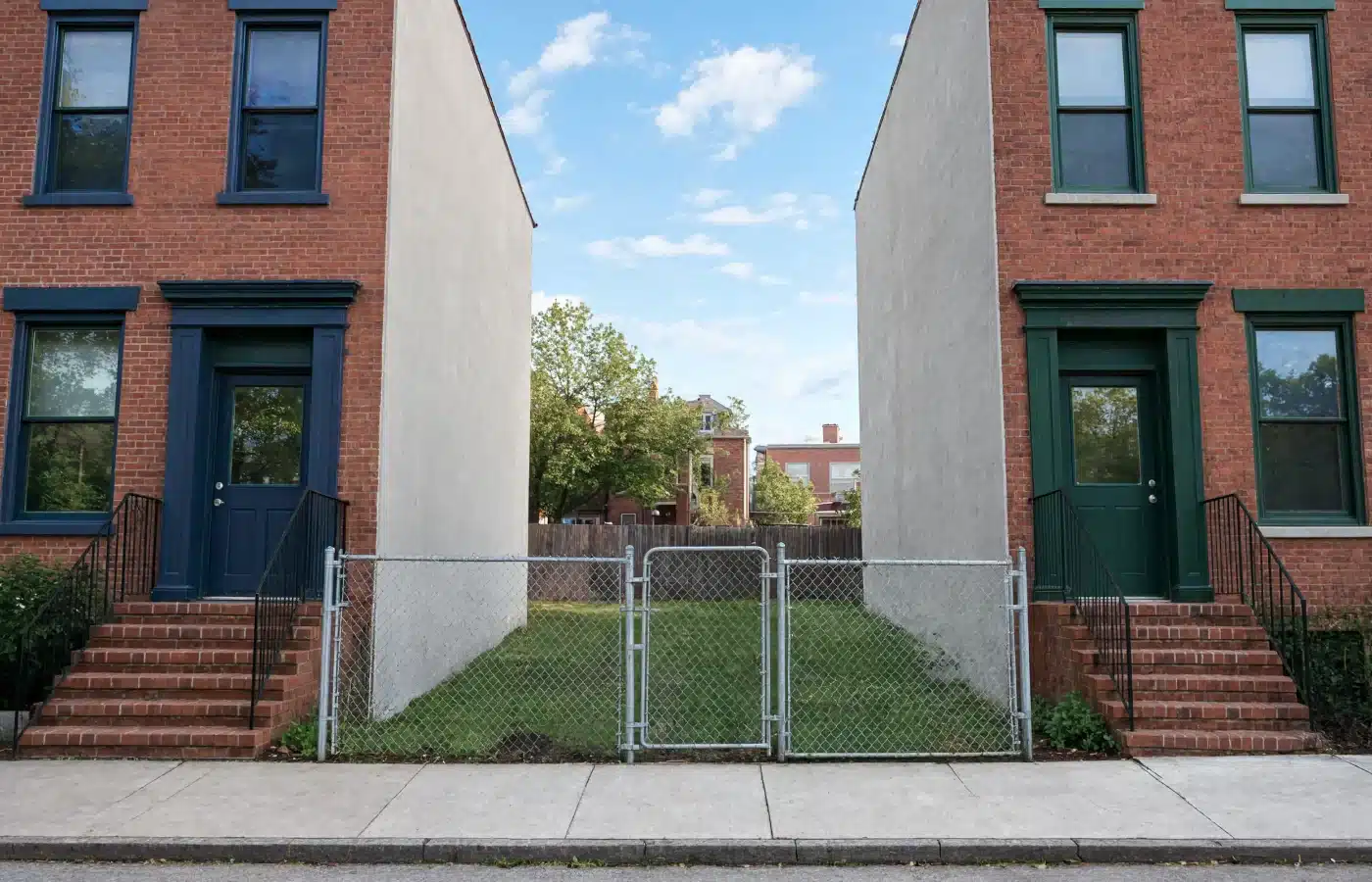
A narrow city lot where a house once stood, or the side lot next to a house you sold. These are often buildable and in demand from local builders, which makes them straightforward gifts.
The deduction is generally the lot’s appraised fair market value if you have held it more than a year, limited to 30% of AGI with a five-year carryforward. The appraisal is yours to arrange, from an appraiser you choose.
Vacant lots need very little paperwork.
It is on the county tax bill and lets us pull everything else from public records.
The association name, the monthly or annual dues and whether they are current.
Mowing orders, code notices or liens, if the city has sent any.
Often, yes. There is no fixed minimum. What matters is whether the lot can sell for meaningfully more than it costs to transfer and hold. Many modest lots clear that bar easily.
Reviewed, not refused. Unpaid dues are usually a lien, so they have to be handled at transfer. What matters is that the amount owed is well below what the lot can sell for.
Usually not. The recorded legal description and plat are normally enough. A survey comes up only if the boundaries are genuinely unclear.
No. Mowing charges and code liens are property facts we look at alongside value. Current obligations transfer to us once the deed records.
Yes. Many donated lots were bought decades ago as investments. We work from the county record and the plat.
We do not provide tax or legal advice. See IRS Publication 526, Publication 561 and the Form 8283 instructions, and consult your own advisor.
Send the parcel number or the county, and we will tell you plainly whether a donation works.