
The amount owed
Including penalties and interest, as of today. Your county tax office can give you a payoff figure.
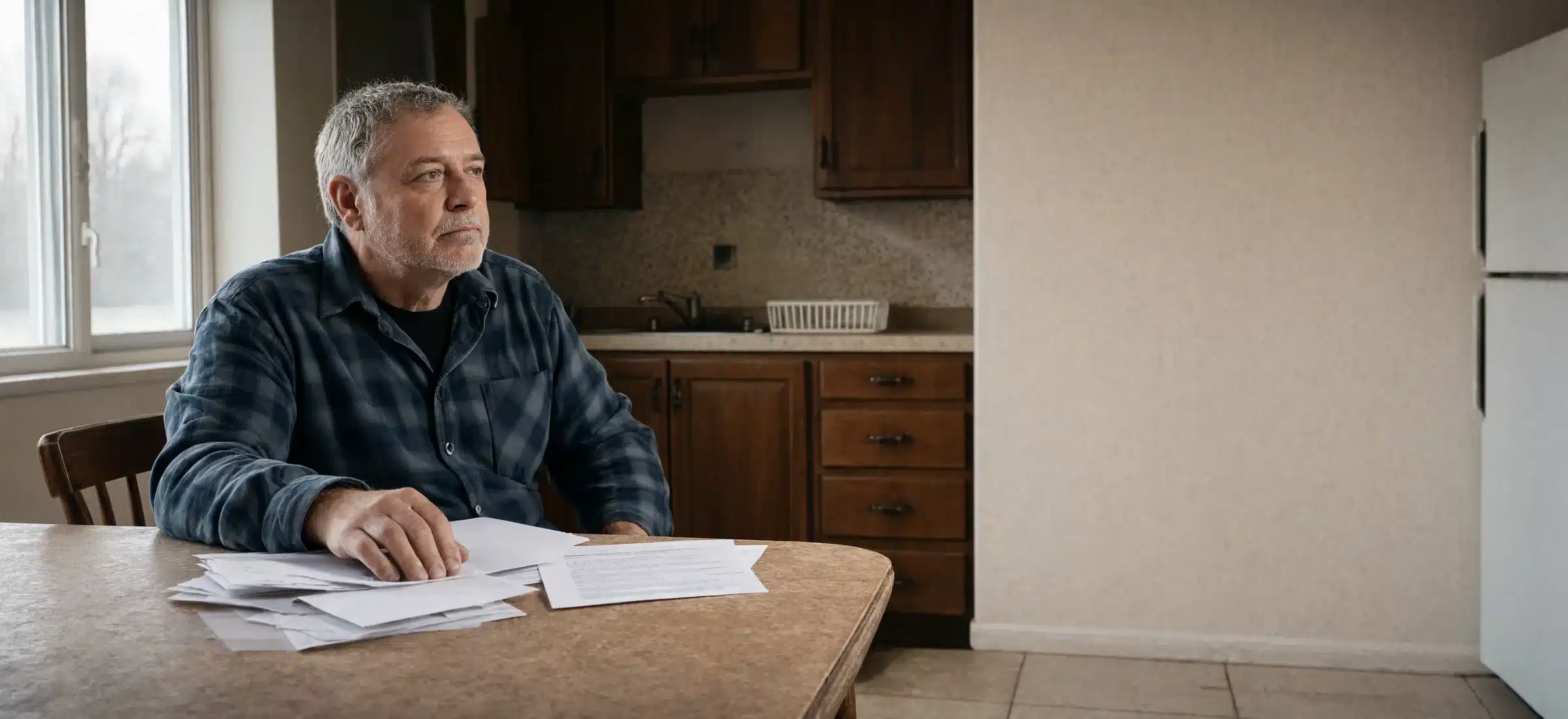
Falling behind on property taxes does not mean a house or parcel cannot be donated. Real Estate with Causes reviews properties with delinquent taxes every week. What decides it is simple: the taxes owed need to be substantially lower than what the property can sell for, and the county’s rules decide when they have to be paid. Tell us the amount owed and we will tell you where you stand.
Every property gets a look. Name, phone and email are the only required fields.
Unpaid property taxes are a lien on the property, so they travel with it. That means they have to be dealt with before or at the transfer, and the question is how much is owed compared with what the property is worth.
Some states and counties require delinquent taxes to be paid before ownership can transfer, and others do not. Where they do, the donor generally clears them first. The IRS does not look kindly on a charity paying for a donation, which is why the order matters.
Back taxes are usually the donor’s responsibility. On properties where the value clearly supports it, typically commercial, industrial and some higher-value homes, we have absorbed them. We will tell you honestly whether yours is one of them.

Call as soon as you receive notice. A scheduled tax sale sets a deadline, and every state handles redemption periods and sale procedures differently. The earlier we know, the more options there are.
If a tax deed has already been issued to someone else, the property is usually no longer yours to donate. If the county has only sold a tax lien or certificate, you may still hold title and be able to redeem.
The county treasurer or tax collector can give you most of this in one call.
Including penalties and interest, as of today. Your county tax office can give you a payoff figure.
Especially a notice of tax sale, tax lien sale or redemption deadline.
It is on every tax bill and notice, and it is how the county tracks the debt.
Back taxes are usually the donor’s responsibility, and in counties that require them paid before transfer the donor generally clears them first. On properties where the value strongly supports it, we have absorbed them. We will not give you an absolute answer until we have looked at yours.
There is no fixed number of years. What matters is that the total owed, with penalties and interest, is substantially lower than what the property can sell for. We will tell you on the phone whether yours clears that bar.
If a charity pays money to receive property, part of the transfer starts to look like a purchase rather than a gift, which can reduce or eliminate your deduction. Where taxes must be paid before transfer, it is generally cleaner for the owner to pay them first.
Not necessarily. Call right away. Depending on your state, you may still hold title and have a redemption period. If a tax deed has already gone to someone else, the property is usually no longer yours to give.
Then a donation is probably not the right route, and we will say so plainly. There are sometimes other options, such as negotiating with the county or a local sale, and we can point you toward them.
We do not provide tax or legal advice. See IRS Publication 526, Publication 561 and the Form 8283 instructions, and consult your own advisor.
Send the county, the parcel number and the amount owed, and we will tell you plainly whether a donation works.