The latest tax bill
It shows the parcel number, the assessed value and whether taxes are current.
Land you do not want keeps sending a tax bill. You cannot simply walk away from it: in most states, unpaid taxes become a lien, then penalties, then a tax sale, and the delinquency can follow you. The ways to stop paying are to sell the land, give it to someone who wants it, or donate it. Real Estate with Causes accepts donated land nationwide, including parcels that have sat unused for decades.
Every property gets a look. Name, phone and email are the only required fields.
Selling works if there is a buyer at a price you can accept, which for remote land can take years. Giving it to a neighbor works if the neighbor wants it and will record the deed. Letting the taxes go unpaid is not a way out: it ends in penalties and a tax sale, and some states pursue the owner for the balance.
Donating is often the quickest clean exit. Once the deed records, the land and its tax bill are ours.
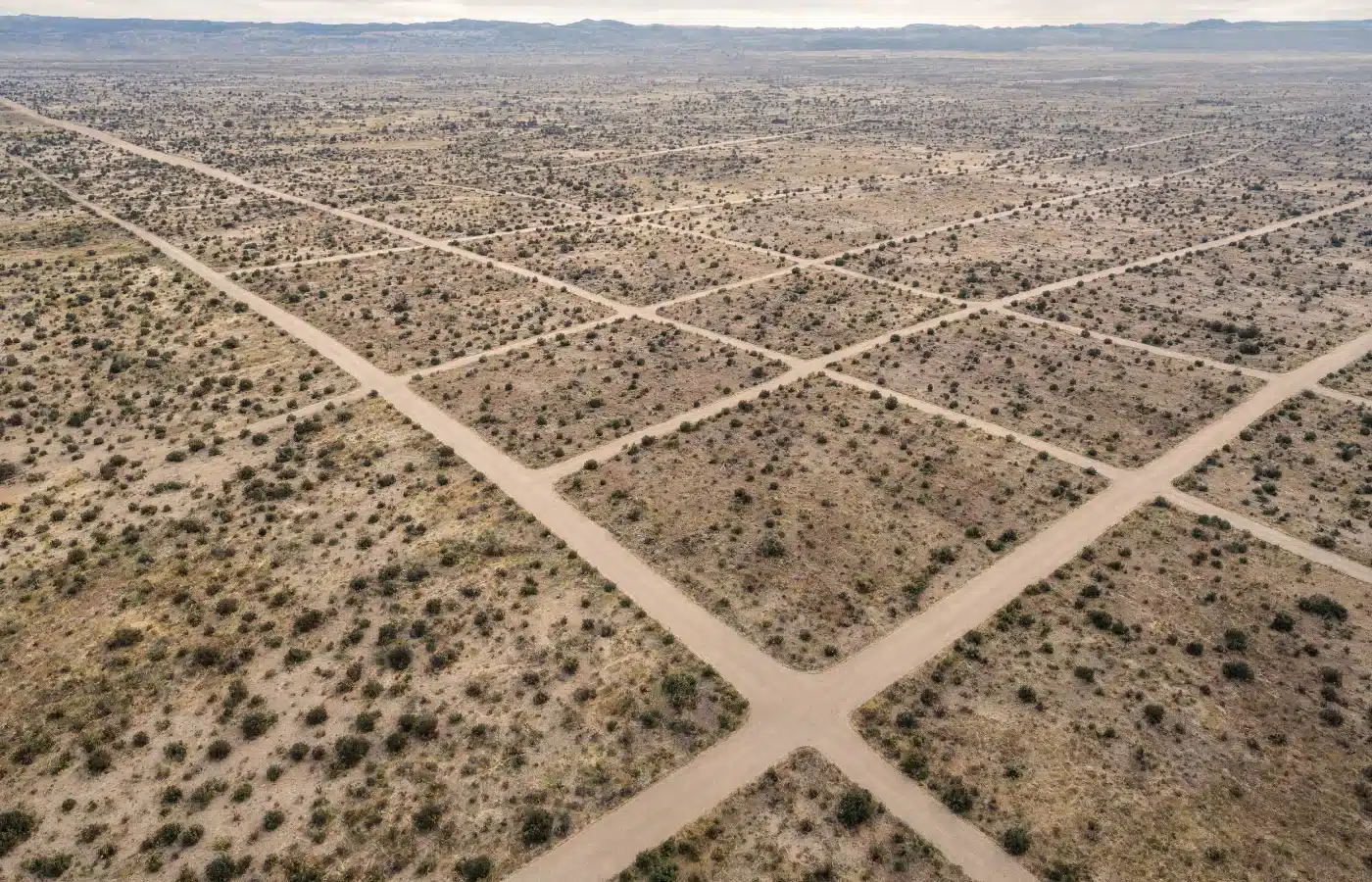
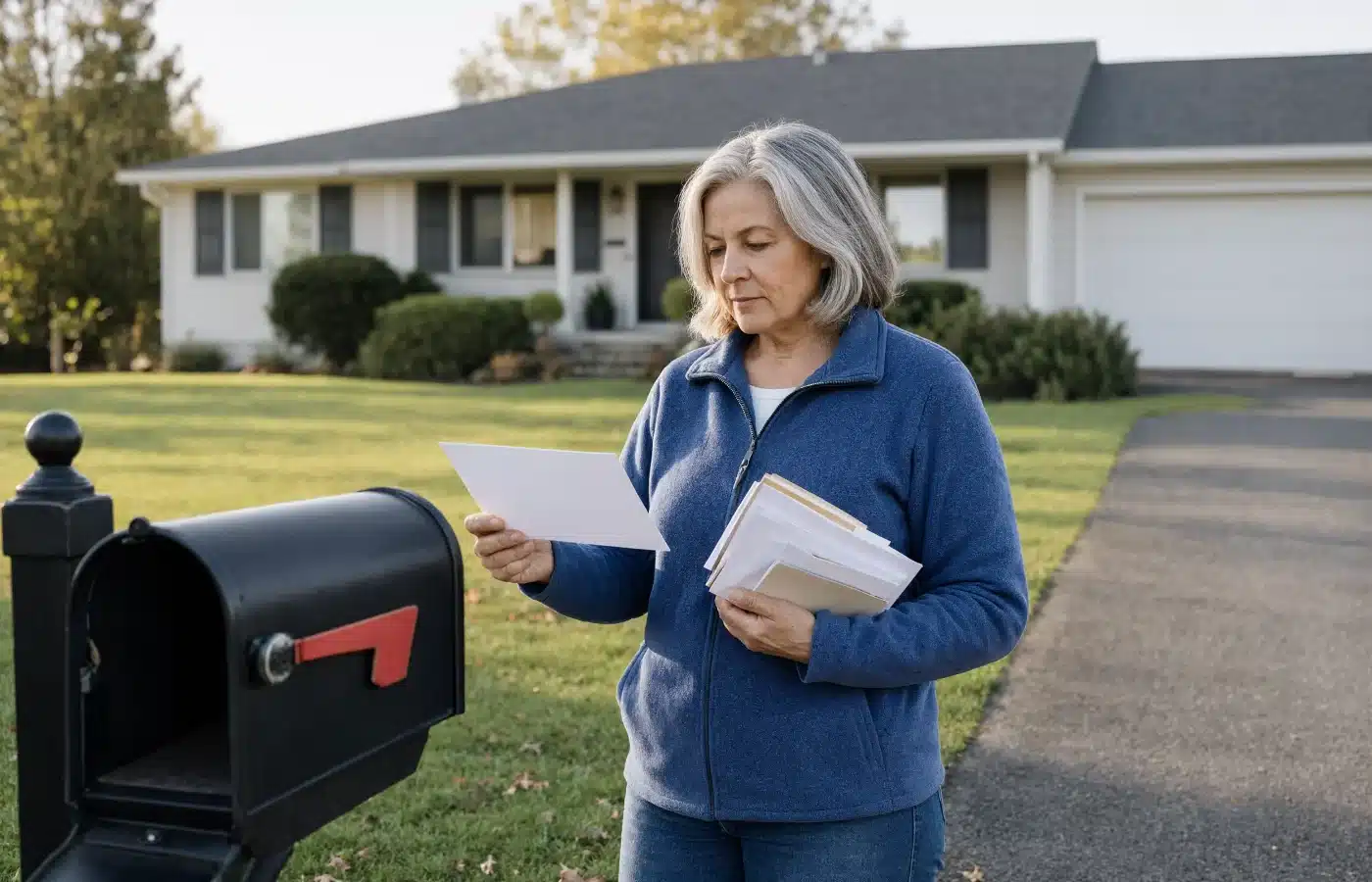
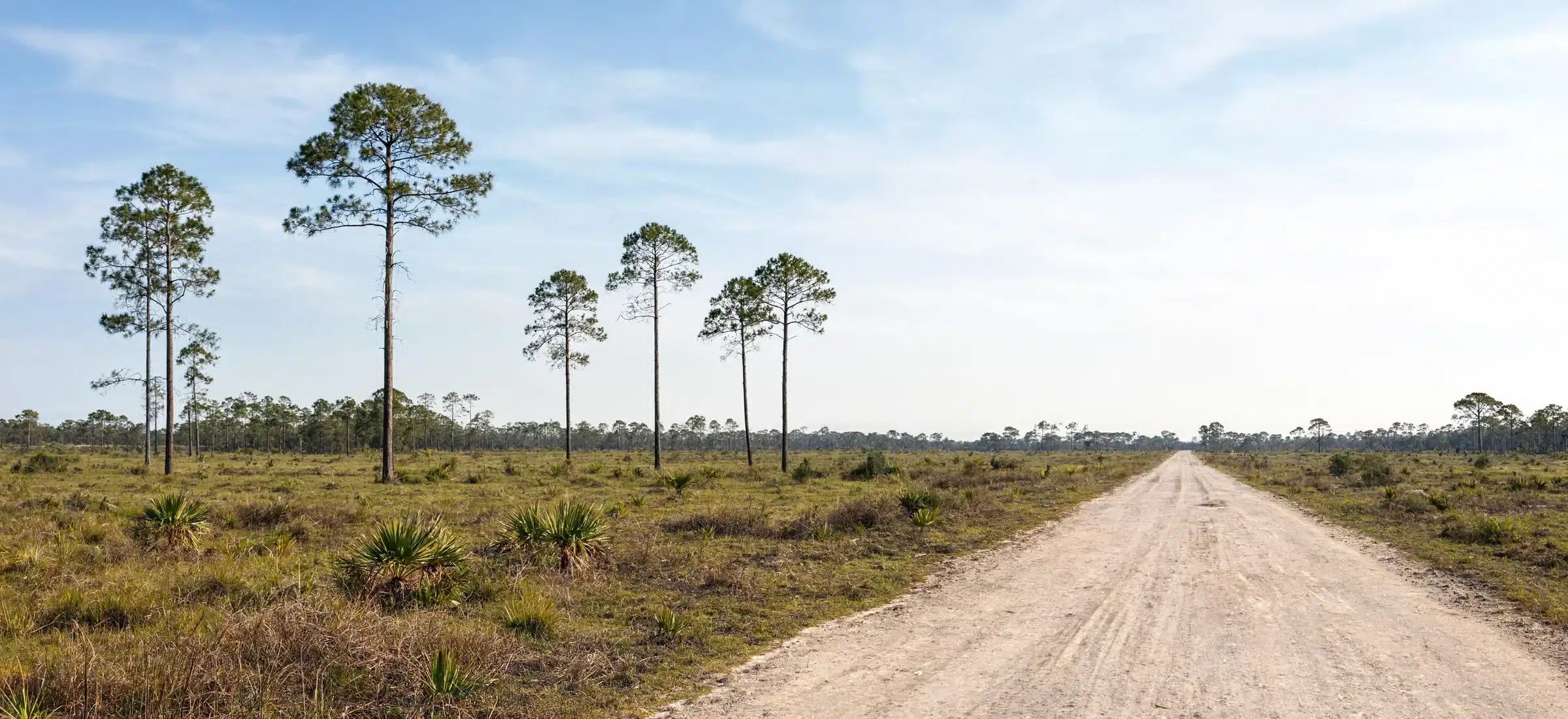
Many unwanted parcels are lots in land developments sold by mail decades ago: grids of dirt roads in the desert or pine flats with nothing built for miles. Some have real value to adjacent owners or investors; some have very little.
We review every one and tell you plainly where yours falls. If a donation is not the right route, we will say so and suggest what is, such as offering the lot to adjoining owners.
The tax bill is usually all we need.
It shows the parcel number, the assessed value and whether taxes are current.
Bought, inherited or received in a divorce. It affects your basis and who has to sign.
Some remote subdivisions still bill dues.
It is not a clean exit. Unpaid taxes accrue penalties and interest and eventually lead to a tax sale, and in some states the former owner can still be pursued for the balance. It can also affect other property you own in the county.
Some counties accept donated land and many do not. It is worth asking, but most will decline land that does not serve a public purpose.
Every parcel gets a look. If the land can sell for meaningfully more than it costs to transfer and hold, a donation usually works. If not, we will say so and suggest other routes.
Possibly, based on its appraised fair market value if you have held it more than a year. For low-value land the appraisal may cost more than the deduction is worth to you, which is worth checking with your advisor.
No. Most owners of unwanted remote land have never visited. We work from the county record.
We do not provide tax or legal advice. See IRS Publication 526, Publication 561 and the Form 8283 instructions, and consult your own advisor.
Send the county and the parcel number, and we will tell you plainly whether a donation will stop the tax bills.