
What the house costs you monthly
Taxes, insurance, utilities, HOA dues and any loan payment.

Property taxes, insurance, utilities, repairs and HOA dues add up on a house whether anyone lives in it or not. When a house costs more than you can carry and a sale would take months you cannot afford, donating it to Real Estate with Causes can end those costs in weeks. We are straightforward about when a donation fits and when another route would serve you better.
Every property gets a look. Name, phone and email are the only required fields.
A donation works best when the house has equity: it is owned free and clear, or what is owed is well below what it can sell for. In that case the carrying costs stop the day the deed records, and you may receive a charitable deduction based on the appraised value.
It also suits owners who cannot face a listing: the repairs a buyer would demand, months of showings, and paying the bills the whole time.
A donation does not produce cash, and it will not erase a mortgage. If you need money from the house, a sale is the right route, and we will say so.

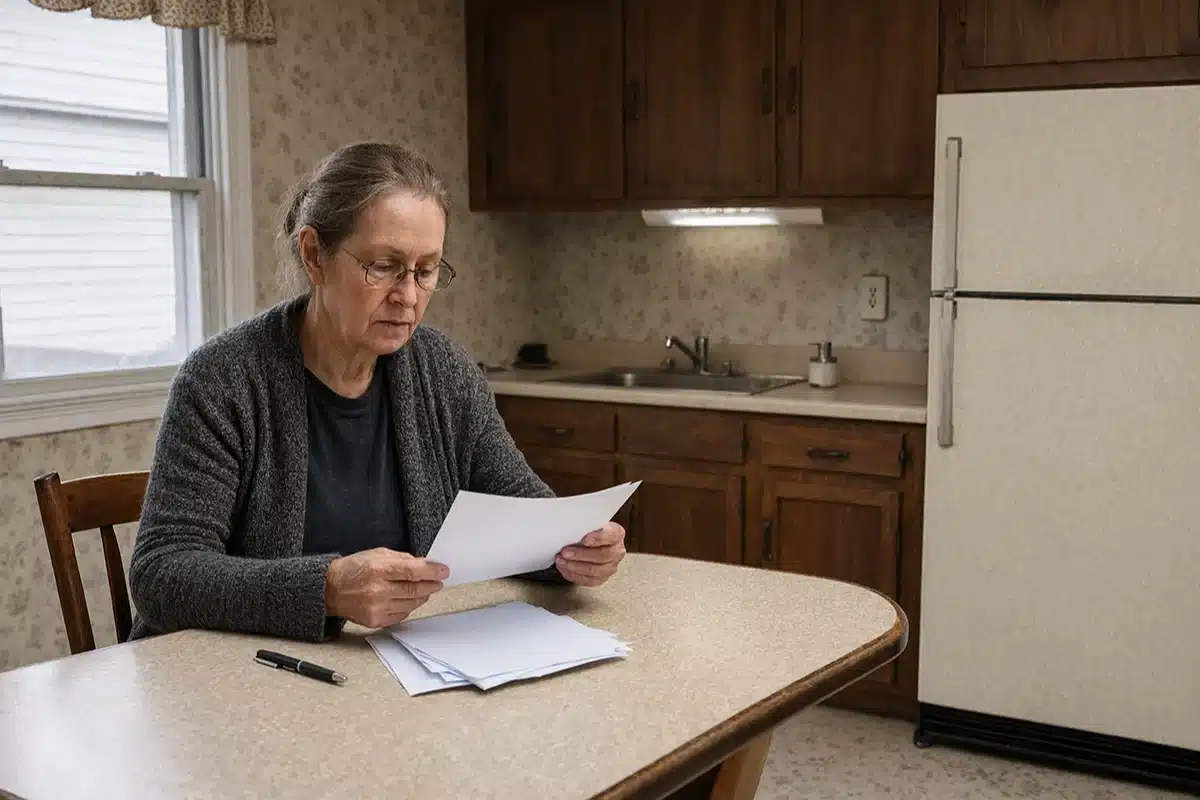
If the mortgage is larger than the house is worth, the loan has to be satisfied at transfer, so the conversation usually turns to your lender. In that case the conversation is with your lender, about a short sale, a loan modification or a deed in lieu of foreclosure.
If you need the proceeds to live on, sell the house. If you want both, some owners sell locally and donate part of the proceeds, and we receipt that gift in the usual way.
A rough picture of the numbers is all we need to give you a straight answer.
Taxes, insurance, utilities, HOA dues and any loan payment.
Mortgage balance, home equity line, back taxes or liens, if any.
A rough guess is fine. A recent tax assessment or a neighbor’s sale helps.
No. A donation does not cancel a mortgage. The loan has to be paid off from the property’s value or by you at transfer, which is why a donation works only when there is real equity. If you are underwater, talk to your lender about a short sale or loan modification.
On a house with clear title, one owner and nothing owed, the deed can often record within a few weeks. Taxes, insurance and utilities become ours on the recording date.
No. A donation is a gift. You may qualify for a charitable deduction based on the appraised value, which only helps if you itemize and have taxable income to offset.
Often, yes. What matters is that the taxes owed are well below what the house can sell for. Some counties require them paid before the deed can transfer, and we plan around that with you.
We can tell you honestly whether a donation fits your house and your numbers. For the tax side of that decision, talk to your own advisor.
We do not provide tax or legal advice. See IRS Publication 526, Publication 561 and the Form 8283 instructions, and consult your own advisor.
Send the address and a rough picture of the numbers, and we will tell you plainly whether a donation is the right route.