
The death certificate and will
Or the letters testamentary if probate has opened. They tell us who has authority to sign.
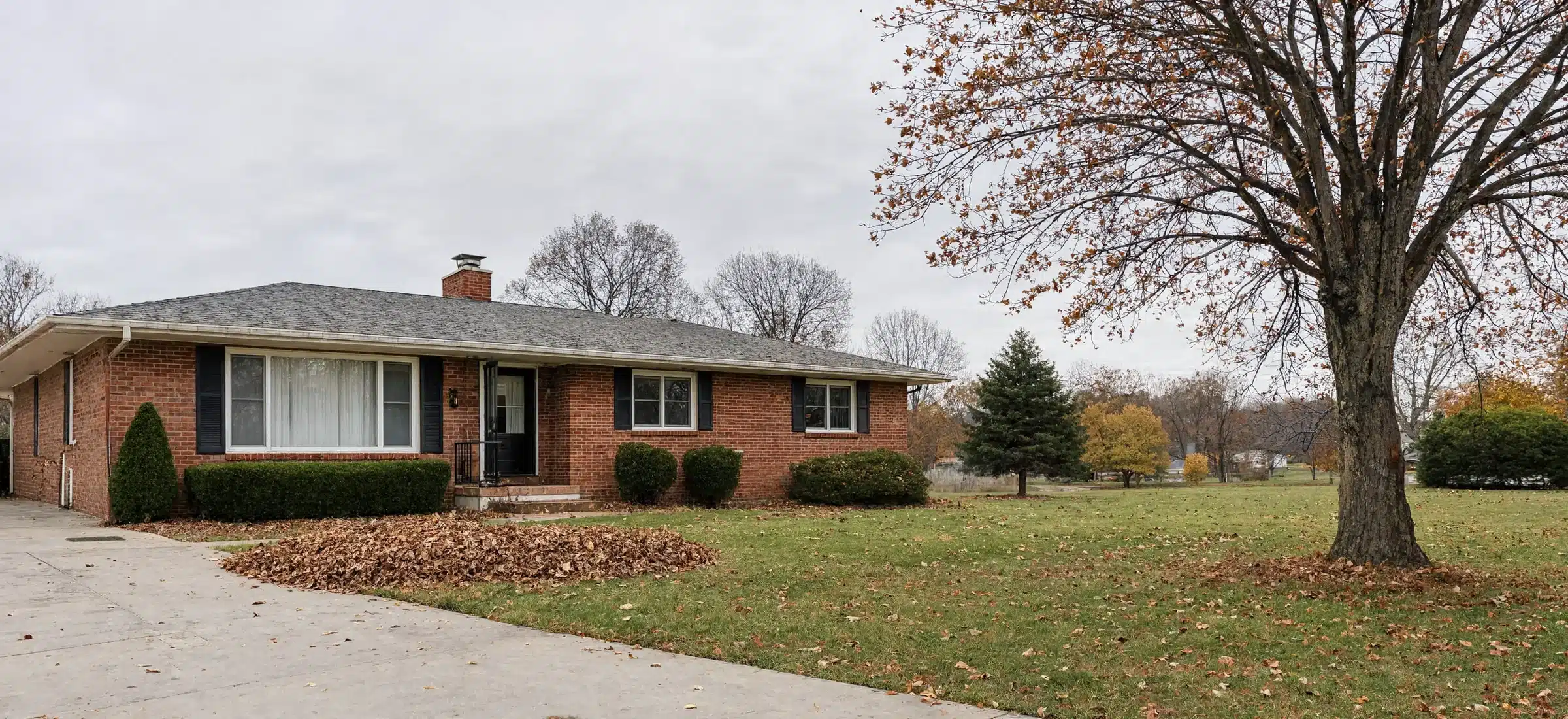
An inherited house often arrives with a list of problems attached: it sits empty in another town, the heirs disagree on what to do, and the taxes, insurance and utilities keep coming. Donating an inherited house to Real Estate with Causes ends the carrying cost and the decisions in one step. We work with executors, trustees and families of every size, and we prepare and record the deed in the county where the house sits.
Every property gets a look. Name, phone and email are the only required fields.
Whoever holds title can make the gift, and with an inherited house that depends on how it passed. If the house is still in the estate, the executor or administrator usually acts, within the authority the will or the court gives them. If it has already passed to the heirs, everyone on the title signs the deed together.
Many executors can convey estate property without a court sale, and some need the court’s approval first. We look at the letters testamentary and the will and tell you which applies.
Every co-owner has to sign. One heir cannot donate the whole house alone, but any heir can donate their own share if the others will not, which is a partial gift with its own rules.
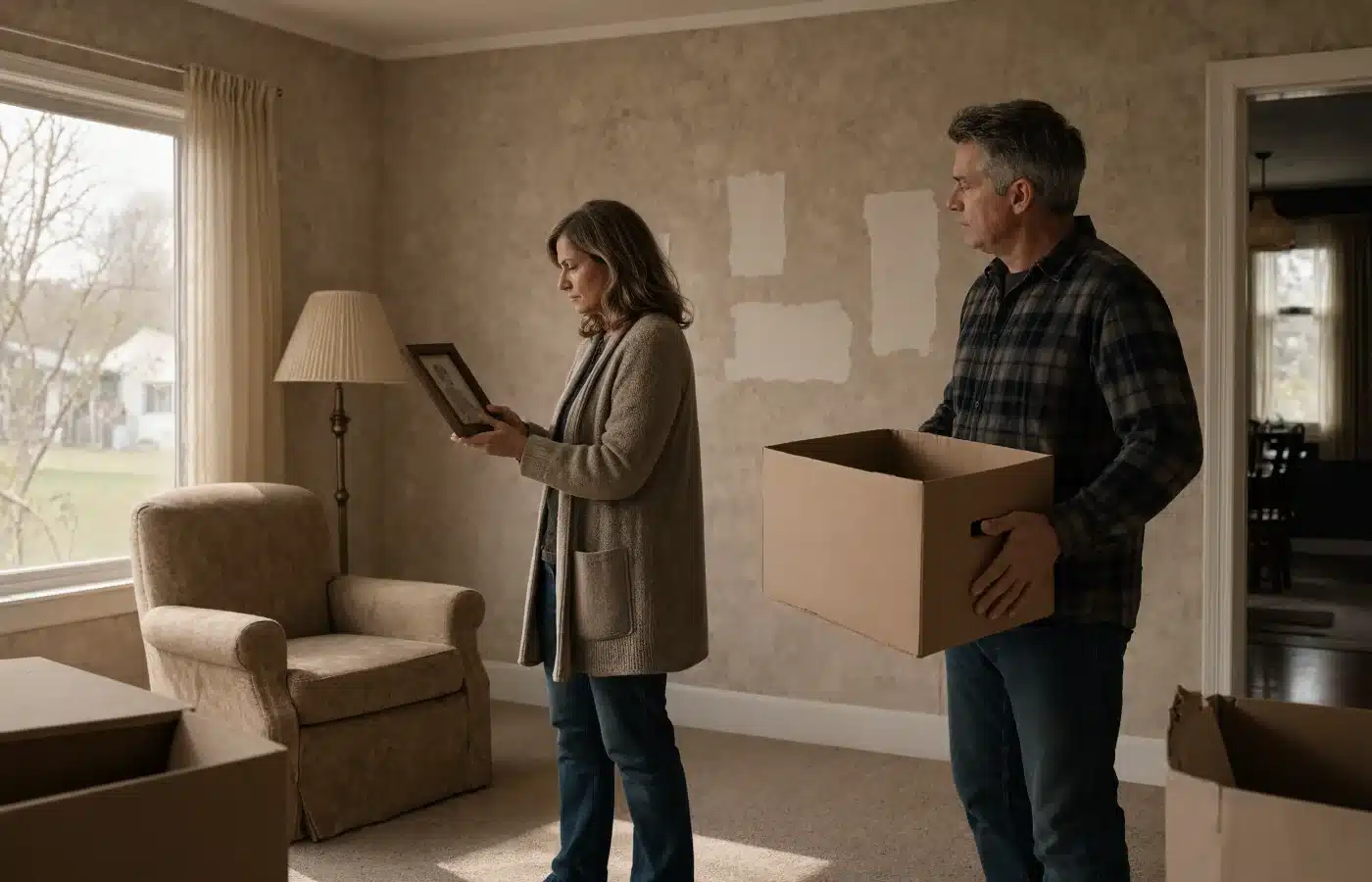
You do not need to empty the house, repair it or stage it before calling us. Cleanout is usually the heirs’ responsibility, but belongings left behind do not stop a donation, and on houses where the value supports it we absorb the cost of clearing it. Take what the family wants to keep first.
Once the deed records, the house is ours: the taxes, the insurance, the utilities and the liability. Most inherited houses are sold and the net proceeds fund our charitable programs.
Inherited property generally takes a basis equal to its value at the date of death, so a sale soon after inheriting may carry little capital gain. That changes the math of donating versus selling, and your advisor should run both.
None of these are required to start, but each one saves a step.
Or the letters testamentary if probate has opened. They tell us who has authority to sign.
Names and contact details for each heir or co-owner, and whether they agree on donating.
It gives us the parcel number and shows whether any property taxes are behind.
Often, yes. An executor with authority to sell or convey estate property can usually donate it on the estate’s behalf, and in some states that requires court approval. The deduction then belongs to the estate rather than to you personally, which your advisor should consider.
To donate the whole house, yes, every owner on the title has to sign. If one heir wants to donate and another does not, the willing heir can donate their own fractional share, but that is more complicated and the deduction rules for partial interests are strict.
Whoever makes the gift. If the estate donates it, the estate takes any deduction on its fiduciary return. If the heirs donate it after it passes to them, each heir can deduct their share, subject to their own AGI limits.
A mortgage does not automatically rule a gift out. A remaining balance makes the gift a bargain sale rather than a clean donation, and whether it works depends on the balance, the equity and the lender. Tell us those figures and we will tell you where you stand.
If the heirs already hold title and agree, a few weeks is common. Open probate, heirs in different states or a missing signature adds time, and we tell you on the first call which of those you are looking at.
We do not provide tax or legal advice. See IRS Publication 526, Publication 561 and the Form 8283 instructions, and consult your own advisor.
Send the address and where the estate stands, and we will tell you who needs to sign and what happens next.