Certification records
Certifier, certificate and the most recent inspection report.
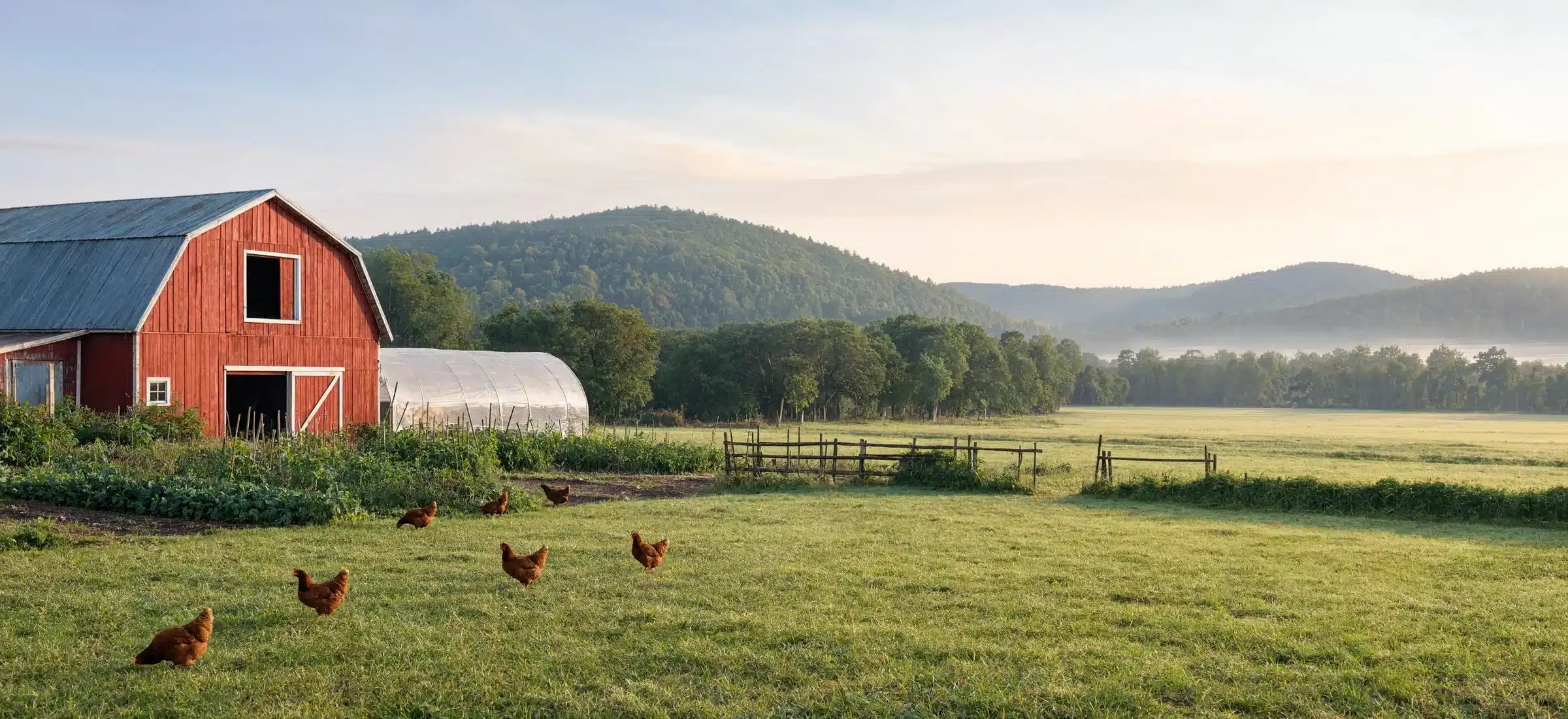
Certified organic ground takes years to build, and the certification history is part of what makes the land valuable. Real Estate with Causes accepts donated organic and specialty farms nationwide: vegetable farms, orchards, pasture-raised livestock operations and diversified small farms, with barns, hoop houses and farmhouses included. We work around the growing season and any tenant farmer.
Every property gets a look. Name, phone and email are the only required fields.
Land must go without prohibited substances for three years before crops from it can be certified organic. Ground with an unbroken certified history is ready for an organic buyer immediately, which can support its value.
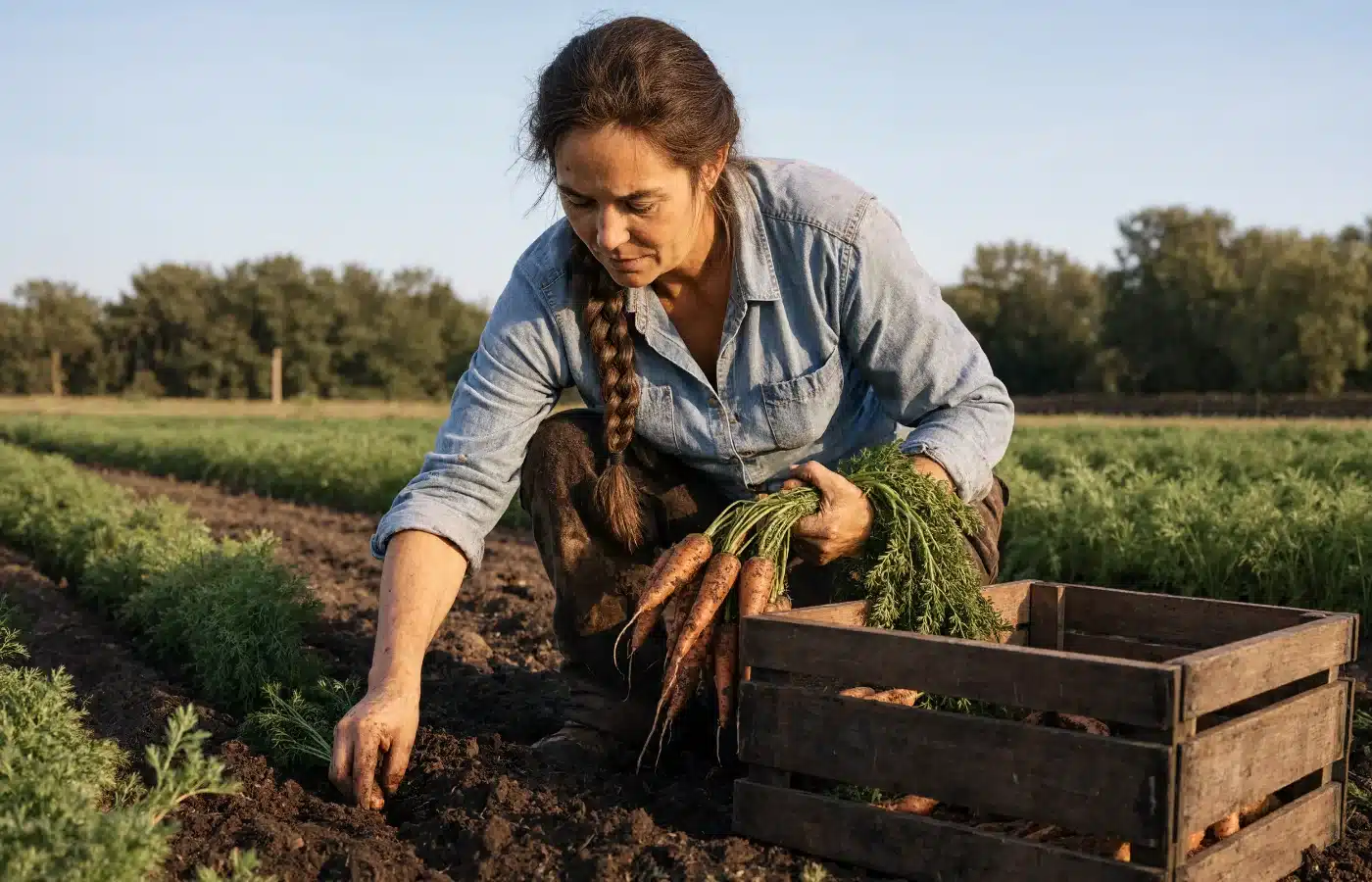
Records of inputs, field maps and the certifier’s inspection reports should transfer with the farm. A lapse in management before the sale can break the chain.
Barns, hoop houses and a farmhouse are part of the real estate. Tractors, tools and irrigation equipment are personal property and are handled separately.
For land held more than a year, the deduction is generally fair market value, limited to 30% of AGI with a five-year carryforward. We time the transfer around the season so a crop in the ground is not lost.
Your certifier file has most of this.
Certifier, certificate and the most recent inspection report.
They document the land’s organic history for a buyer.
If another farmer works the ground now.
Certification belongs to the operation, not the land, but the land’s history of organic management is what a buyer values. Keeping the records intact preserves that history.
It can reduce value, depending on how the land was managed since. Tell us and we will review it.
The lease transfers with the farm and we become the landlord for its term.
We cannot promise a future use, since most donated farms are sold. If keeping it farmed matters to you, a conservation easement or a sale to a farmer may fit better.
Permanent structures convey with the land. Movable equipment is personal property and is handled separately.
We do not provide tax or legal advice. See IRS Publication 526, Publication 561 and the Form 8283 instructions, and consult your own advisor.
Send the county, the acreage and the certification status, and we will tell you plainly what a donation would look like.