
The recorded instrument
The timber deed, the severance, the share certificate or the permit, with the recording reference if there is one.
Rights get separated from the ground they came from, sometimes generations ago. A family keeps the timber and sells the land, the minerals are severed and the surface is not, a ditch company issues shares in water, a ranch runs cattle on a permit rather than on ground it owns. Several of these are interests in real property and can be donated. Which ones depends on your state and on the document.
Every property gets a look. Name, phone and email are the only required fields.
Severed timber and severed mineral interests are treated as interests in real property in most states, recorded in the same chain of title as the surface. Surface-only ownership, where somebody else holds the minerals underneath, is ordinary fee ownership with a known limitation on it. Those are straightforward.
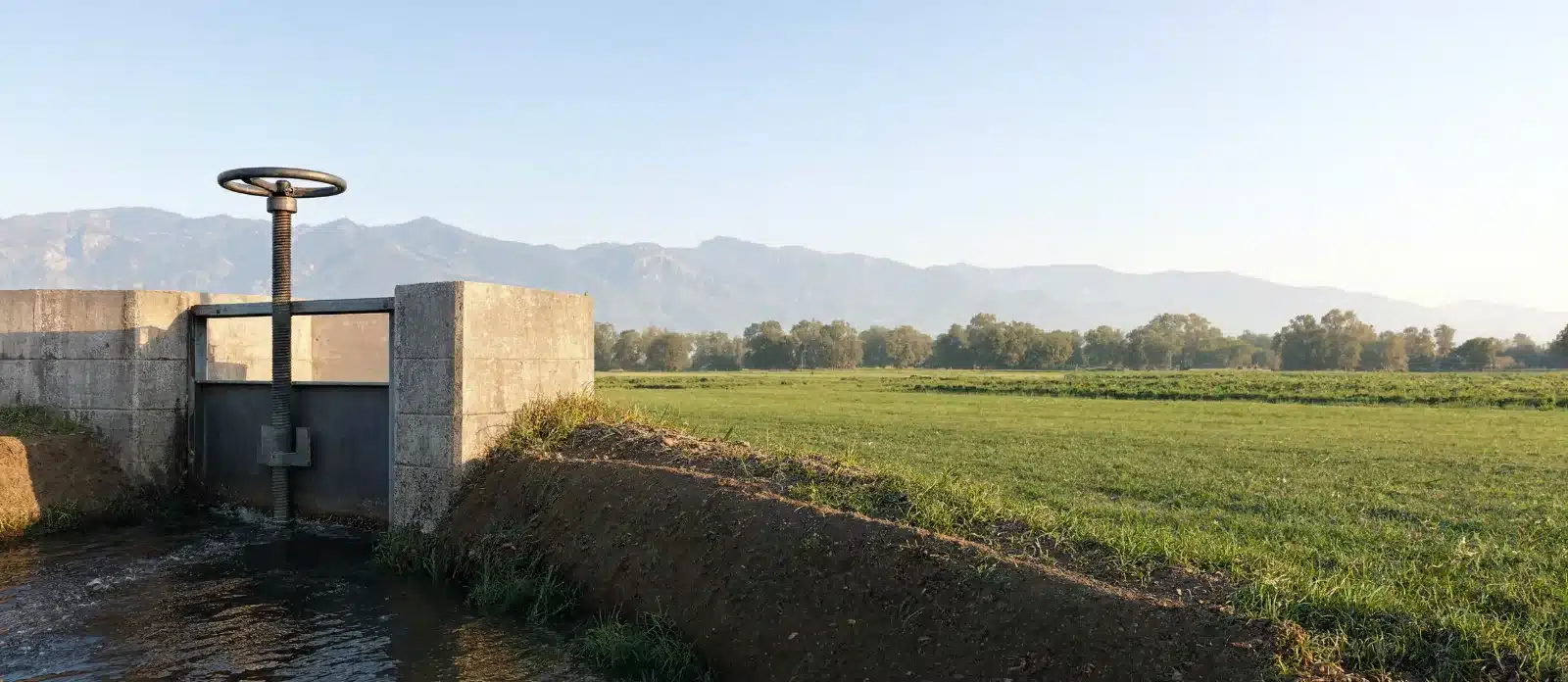
Water is where the state line matters most. In much of the West a water right is real property, appurtenant to specific land and transferable only with state engineer approval. Shares in a mutual ditch or irrigation company may be personal property in one state and an interest in land in the next. A hunting lease is a lease: valuable to the holder, but a contract right rather than ownership.
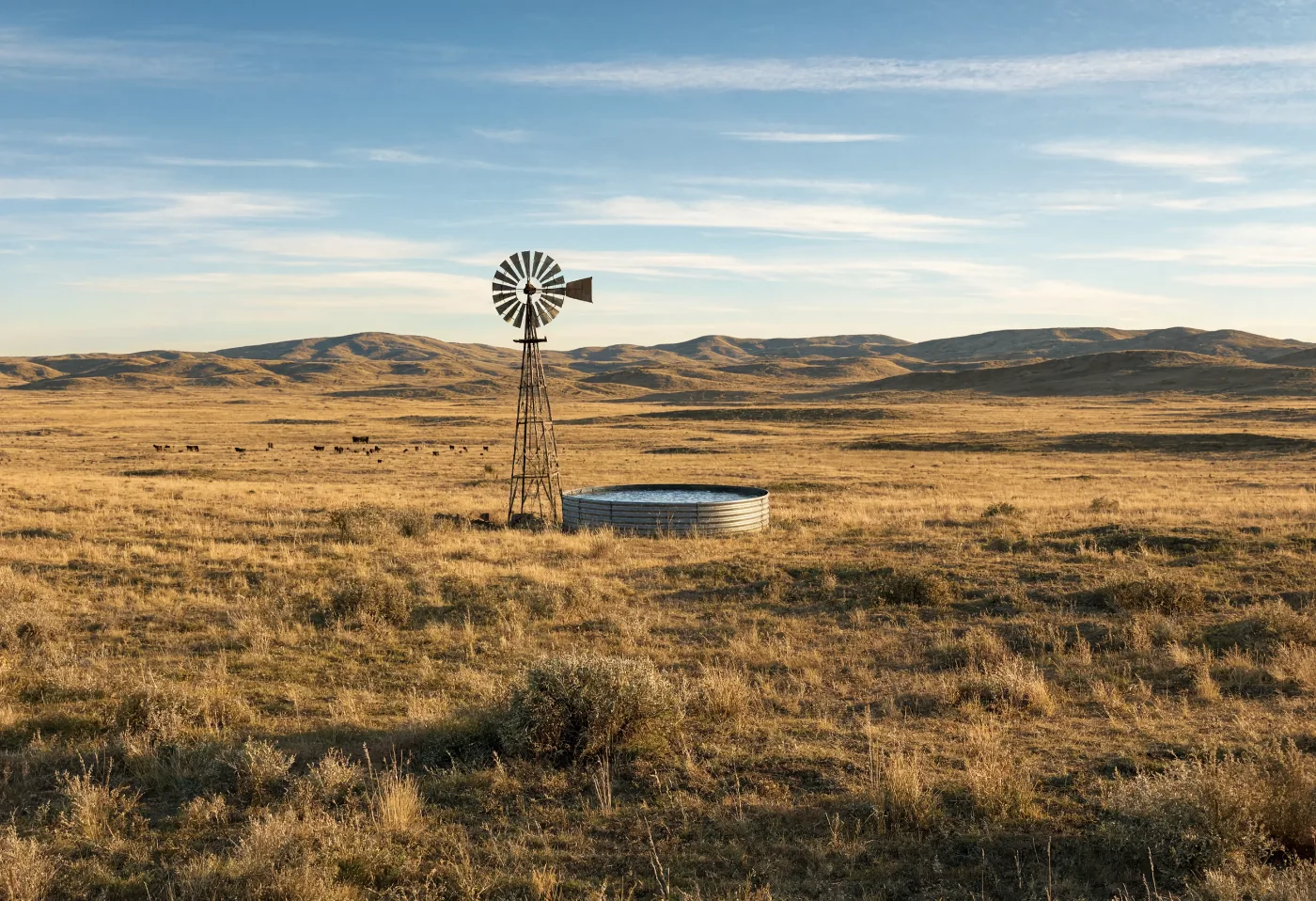
Permits on Bureau of Land Management or Forest Service allotments are administered by the agency and attached to base property. They generally cannot be handed over on their own, so the conversation usually has to include the base ranch. We check with the agency before anything is drafted.

Because they are hard to sell and easy to forget. A timber right two states away, inherited from a grandparent, produces nothing until somebody organises a harvest. Irrigation shares on ground the family no longer farms still carry assessments. Surface-only acreage that cannot be developed because of an old mineral severance sits on the tax roll year after year.
The gift also solves an administrative problem. Interests like these are the ones that stall an estate, because nobody in the family knows what they are or who to ask. A transfer to a charity that will deal with them ends that.
Three things tell us whether the right can move on its own.
The timber deed, the severance, the share certificate or the permit, with the recording reference if there is one.
Because the answer genuinely changes across a state line, particularly for water.
A standing hunting lease, a timber sale contract or a grazing agreement, with its term and the other party.
It depends on the state and on the company. In some states a share in a mutual ditch company is treated as an interest in land and transfers with a deed; in others it is personal property moved by certificate assignment. Both can be donated; they are substantiated differently. See water rights donations.
Not usually on its own. Federal permits are tied to base property and to the agency’s approval, so the workable gift generally includes the base ranch. Tell us what you hold and we will find out from the agency rather than guess.
No, and it is very common. Surface-only land is donated all the time. The appraisal simply reflects what you actually own, and the mineral owner’s rights are disclosed in the review.
That is the partial interest question, and the answer depends on how the timber interest is held. A separately recorded timber deed you own entirely is one thing; carving a right out of land you are keeping is another, and the Internal Revenue Code limits deductions for partial interests. We read the document before anyone relies on an answer.
By an appraiser who works in that specific market: a timber cruiser for standing wood, a water rights appraiser for shares, a ranch appraiser for grazing. Above $5,000 the IRS wants a qualified appraisal and Form 8283 Section B, commissioned and paid for by you.
We do not provide tax or legal advice. See IRS Publication 526, Publication 561 and the Form 8283 instructions, and consult your own advisor.
The state, the county and the instrument type are enough to start.