
Transfer tax
South Carolina charges a deed recording fee of $1.85 per $500 of value. Who pays and how it applies to a gift with no consideration is confirmed when we prepare the deed. Where the tax falls on the grantee, it is ours.
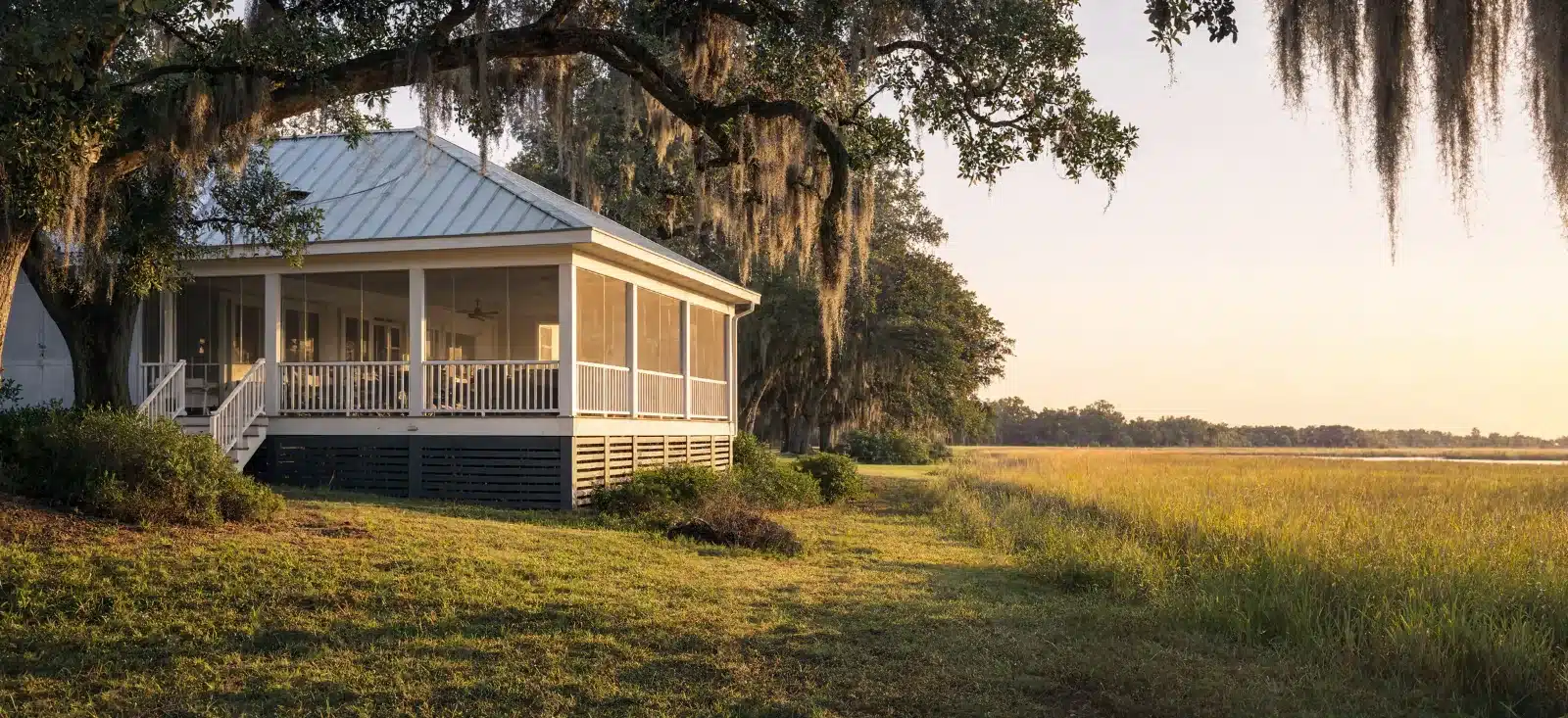
South Carolina assesses owner-occupied homes at a lower ratio than everything else, which means a house that stops being somebody’s legal residence can see its tax bill multiply. That single fact drives more calls here than any other. Add heir property along the coast and in the lowcountry, and timber ground inland, and you have the state in three sentences.
Federal tax rules are the same in every state. These three are set by South Carolina and by the county where the property sits.
South Carolina charges a deed recording fee of $1.85 per $500 of value. Who pays and how it applies to a gift with no consideration is confirmed when we prepare the deed. Where the tax falls on the grantee, it is ours.
South Carolina taxes owner-occupied legal residences at a lower assessment ratio than second homes and rentals. When an owner dies or moves out, the classification can change and the annual bill rises sharply. It is often what turns an inherited house from an asset into a cost, and it is worth knowing before you decide.
Deeds are recorded with the register of deeds for the county where the property sits. You sign before a notary wherever you live, and we handle the filing.
Four situations that recur from the mountains to the coast.
Each links to the full guide for that type, including how a donation compares with selling.
Six regions, six reasons a property becomes a burden.
Heir property, marshfront parcels with tidal boundary questions, and historic houses with maintenance obligations.
Condos with rising assessments, rental houses and flood-zone property.
Older city housing, lake property and inherited family homes.
Former textile mill buildings, mill village housing and foothills acreage.
Row crop and timber ground, and small towns with more buildings than buyers.
Pine plantation, hunting land and rural parcels held by absent heirs.
A local guide for the city South Carolina donors ask about most, covering the deed, the transfer fee and the recording practice that apply there. Every other South Carolina city is covered by this page.
South Carolina charges a deed recording fee of $1.85 per $500 of value. Who pays and how it applies to a gift with no consideration is confirmed when we prepare the deed. Where the tax falls on the grantee, it is ours.
No. We prepare the deed in the form South Carolina requires for the county where the property sits, you sign before a notary where you live, and we record it with the county register of deeds.
It affects the urgency rather than the answer. A higher assessment ratio makes holding the house more expensive while a family decides, which is often why people call. Tell us the county and the parcel and we will move at whatever pace the bill requires.
South Carolina has a state income tax, and how it treats a charitable contribution is set by South Carolina law rather than by us. Your federal deduction follows the usual IRS rules. Take the state question to your own advisor.
With the names. Heir property is common here and there are established routes through it. Some individual undivided interests can be given on their own; other times the owners need identifying first. Tell us how the land came down.
We do not provide tax or legal advice. State and local transfer tax rules change; we confirm current requirements when we prepare each deed. Consult your own advisor.
The county and a parcel number are enough to start.