
Transfer tax
Massachusetts charges a deed excise tax of $2.28 per $500 of consideration in most counties. It is customarily charged to the grantor, and how it applies to a gift with no consideration is confirmed when we prepare the deed.
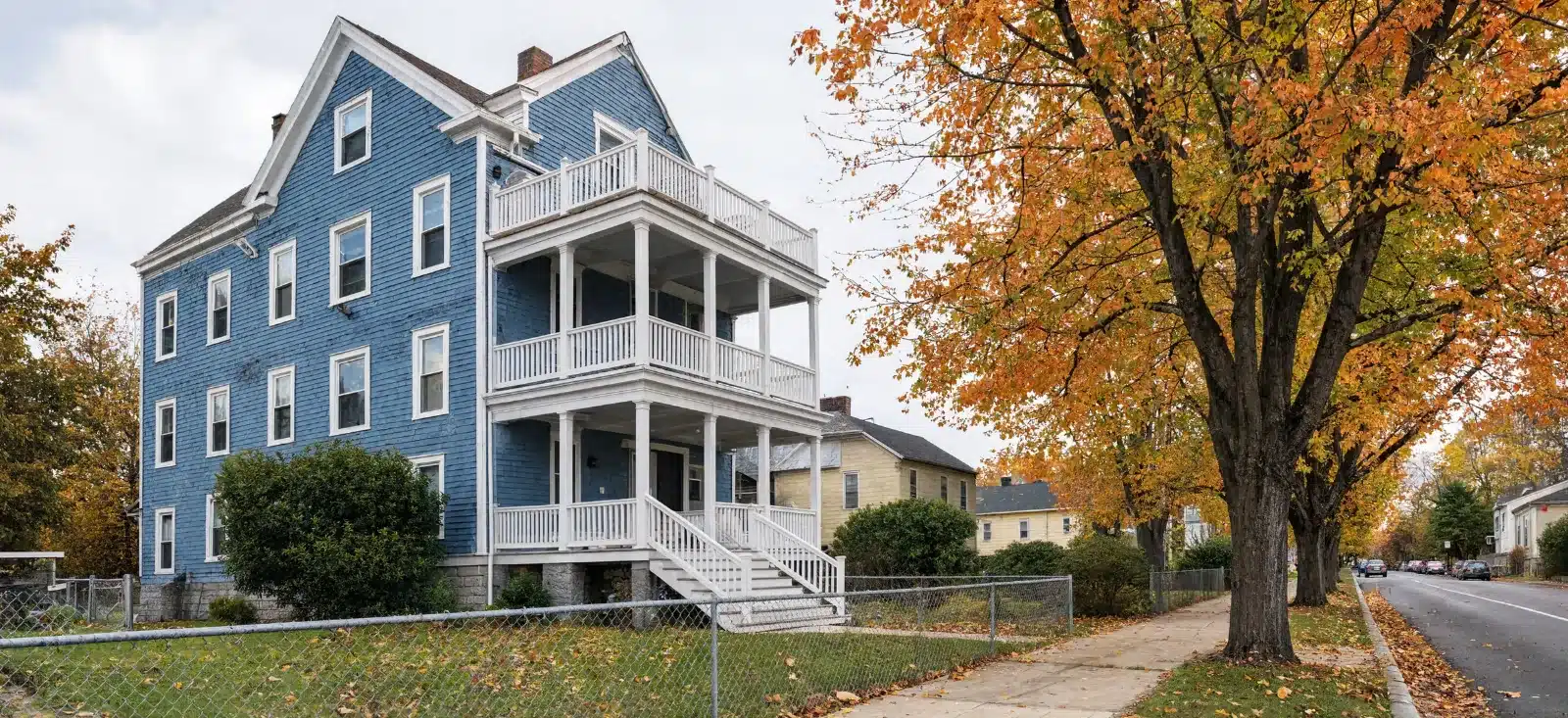
Massachusetts keeps two parallel land systems: ordinary recorded land, and registered land under a Land Court title certificate. Which one your property sits in changes how the deed is handled. Add classified farm and forest land carrying a municipal right of first refusal, and you have the two things that most often set the timetable here.
Federal tax rules are the same in every state. These three are set by Massachusetts and by the county where the property sits.
Massachusetts charges a deed excise tax of $2.28 per $500 of consideration in most counties. It is customarily charged to the grantor, and how it applies to a gift with no consideration is confirmed when we prepare the deed.
Most Massachusetts property is recorded land, but a meaningful share is registered under the Land Court with a certificate of title, and those transfers are filed with the registry district rather than recorded in the ordinary way. We find out which yours is before drafting, because the procedure differs.
Deeds are recorded with the registry of deeds for the registry district where the property sits. You sign before a notary wherever you live, and we handle the filing.
Four situations the commonwealth produces more of than most.
Each links to the full guide for that type, including how a donation compares with selling.
Six regions, six different reasons property becomes a burden.
High values and low basis, triple deckers held for generations, and condo buildings with capital work overdue.
Older coastal housing, small commercial in the former mill cities, and land with wetland constraints.
Seasonal houses, septic and Title 5 questions, and coastal parcels subject to wetlands and floodplain rules.
Three-family houses, small-town commercial and classified woodland in the surrounding towns.
Farm ground under chapter classification, mill buildings and river town housing.
Second homes held by families who stopped coming, large wooded parcels and hill town property with real winter carrying costs.
Massachusetts charges a deed excise tax of $2.28 per $500 of consideration in most counties. It is customarily charged to the grantor, and how it applies to a gift with no consideration is confirmed when we prepare the deed.
No. We prepare the deed in the form Massachusetts requires for the county where the property sits, you sign before a notary where you live, and we record it with the registry of deeds.
Yes, with a step. Classified forest, agricultural and recreational land gives the town a right of first refusal on a sale or conversion, and that has to be handled before a transfer. It is routine correspondence and we take it on.
Massachusetts has a state income tax, and how it treats a charitable contribution is set by Massachusetts law rather than by us. Your federal deduction follows the usual IRS rules. Take the state question to your own advisor.
No, it is a different procedure. Registered land carries a Land Court certificate of title, and the transfer is filed with the registry district rather than recorded in the usual way. Tell us the certificate number if you have it.
We do not provide tax or legal advice. State and local transfer tax rules change; we confirm current requirements when we prepare each deed. Consult your own advisor.
The county and a parcel number are enough to start.