
Transfer tax
Nebraska charges a documentary stamp tax of $2.25 per $1,000 of value. It is customarily charged to the grantor, and how it applies to a gift with no consideration is confirmed when we prepare the deed.
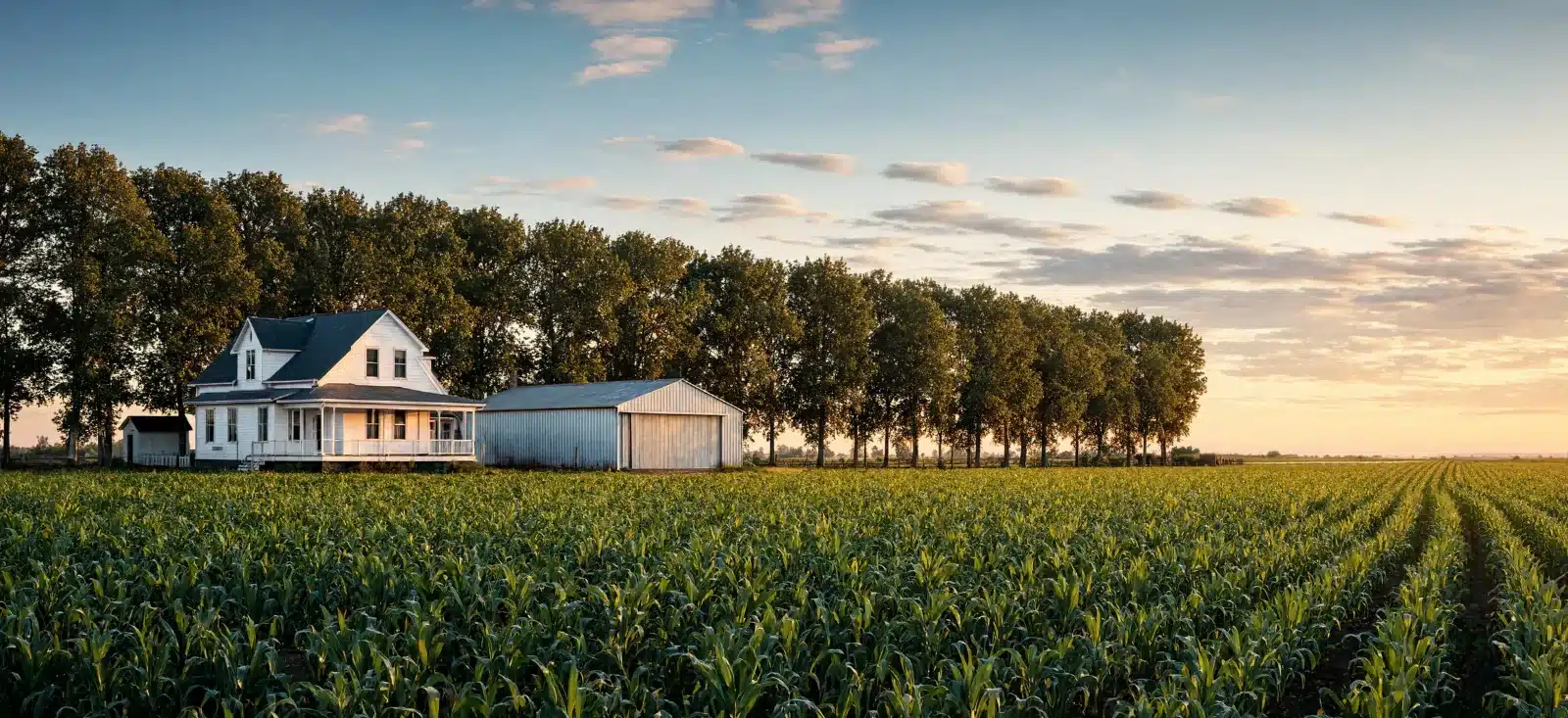
Nebraska is farm ground and the towns that serve it. Property tax here is high relative to income, which is often what prompts the call, and a real estate transfer statement accompanies every deed. Irrigated ground in the central and western counties sits over an aquifer that is managed district by district.
Federal tax rules are the same in every state. These three are set by Nebraska and by the county where the property sits.
Nebraska charges a documentary stamp tax of $2.25 per $1,000 of value. It is customarily charged to the grantor, and how it applies to a gift with no consideration is confirmed when we prepare the deed.
Nebraska deeds are filed with a transfer statement, Form 521, which goes to the county assessor and carries the exemption claim where a transfer is not a sale. The register will not record without it. We prepare it with the deed.
Deeds are recorded with the register of deeds for the county where the property sits. You sign before a notary wherever you live, and we handle the filing.
Four situations that recur across the state.
Each links to the full guide for that type, including how a donation compares with selling.
Six Nebraskas, from the Missouri river to the high plains.
Older city housing, small rental buildings and farm ground on the suburban edge.
Inherited houses, university-area rentals and productive row crop ground nearby.
Irrigated corn ground with certified acres, grain infrastructure and highway towns.
Cattle range in very large blocks, with markets that depend on a neighboring ranch wanting to expand.
Dryland wheat, sugar beet ground and towns with very thin housing markets.
Irrigated ground over managed aquifer areas, and county seat towns with empty commercial space.
Nebraska charges a documentary stamp tax of $2.25 per $1,000 of value. It is customarily charged to the grantor, and how it applies to a gift with no consideration is confirmed when we prepare the deed.
No. We prepare the deed in the form Nebraska requires for the county where the property sits, you sign before a notary where you live, and we record it with the county register of deeds.
To value rather than to acceptance. Certified irrigated acres and allocation rules are priced into farm ground by any appraiser who works here. Tell us the district and the certified acres and the review will be accurate rather than optimistic.
Nebraska has a state income tax, and how it treats a charitable contribution is set by Nebraska law rather than by us. Your federal deduction follows the usual IRS rules. Take the state question to your own advisor.
Faster than a listing in most of these counties, because we are not waiting for a local buyer to appear. Send the parcel number and the county and we will be honest about the timetable rather than encouraging.
We do not provide tax or legal advice. State and local transfer tax rules change; we confirm current requirements when we prepare each deed. Consult your own advisor.
The county and a parcel number are enough to start.