
Transfer tax
Oregon has no statewide real estate transfer tax on deeds. Recording fees are set locally by the county clerk.
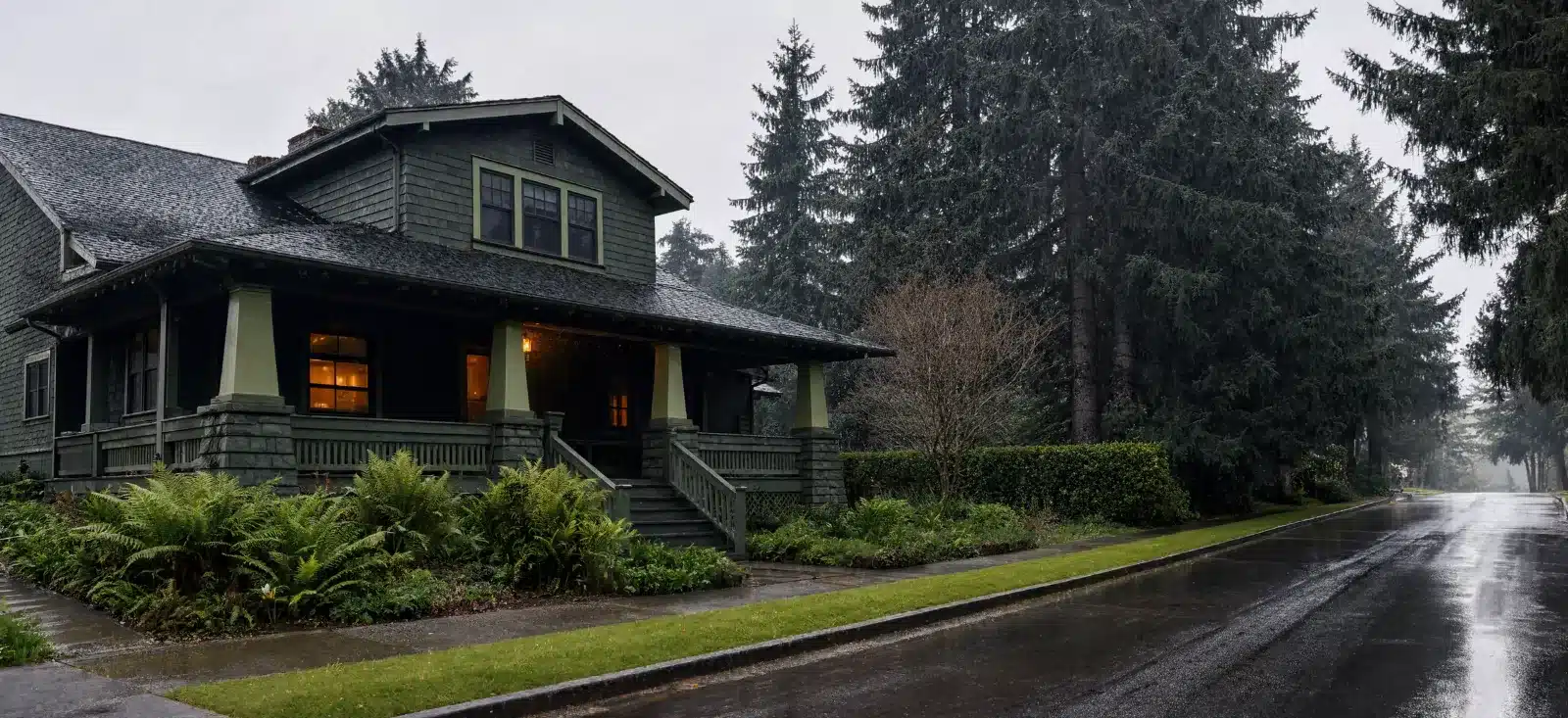
Oregon has no sales tax and, in all but one county, no real estate transfer tax. What it does have is the strictest land use system in the country: statewide planning goals, urban growth boundaries and exclusive farm use zoning that decide what can be built long before a local planner is involved. That is the first thing we check here.
Federal tax rules are the same in every state. These three are set by Oregon and by the county where the property sits.
Oregon has no statewide real estate transfer tax on deeds. Recording fees are set locally by the county clerk.
Property outside an urban growth boundary is often zoned exclusive farm use or forest, which limits dwellings and divisions regardless of parcel size. A twenty-acre parcel is not automatically a building site. This affects value rather than acceptance, and knowing it early prevents a wasted appraisal.
Deeds are recorded with the county clerk for the county where the property sits. You sign before a notary wherever you live, and we handle the filing.
Four situations the state produces more of than most.
Each links to the full guide for that type, including how a donation compares with selling.
Six Oregons, divided by the Cascades and by the growth boundary.
Inherited houses with low basis, infill lots inside the growth boundary, and small commercial on changing corridors.
Grass seed, hazelnut and vineyard ground under exclusive farm use zoning, plus small-city housing.
Cottages and lots subject to coastal zoning and, in places, chronic erosion and slide risk.
Wildfire-affected property, timbered acreage and rural parcels with water rights attached.
High desert subdivision lots, some sold long before services reached them, and ranch ground.
Range and irrigated ground, small towns with more buildings than buyers, and large blocks of dry acreage.
Oregon has no statewide real estate transfer tax on deeds. Recording fees are set locally by the county clerk.
No. We prepare the deed in the form Oregon requires for the county where the property sits, you sign before a notary where you live, and we record it with the county clerk.
Yes. Zoning limits what can be built, not whether title can move. It does affect value, and an appraiser working in Oregon will price the zoning rather than the acreage. Send the county and the parcel and we will look at the designation first.
Oregon has a state income tax, and how it treats a charitable contribution is set by Oregon law rather than by us. Your federal deduction follows the usual IRS rules. Take the state question to your own advisor.
Marginally. The saving is real but small next to the questions that actually decide these transfers here, which are zoning, water and access. Washington County is the exception on transfer tax, and we confirm the county rule before recording.
We do not provide tax or legal advice. State and local transfer tax rules change; we confirm current requirements when we prepare each deed. Consult your own advisor.
The county and a parcel number are enough to start.