
Transfer tax
Washington charges a graduated real estate excise tax. It is customarily charged to the grantor, and how it applies to a gift with no consideration is confirmed when we prepare the deed.
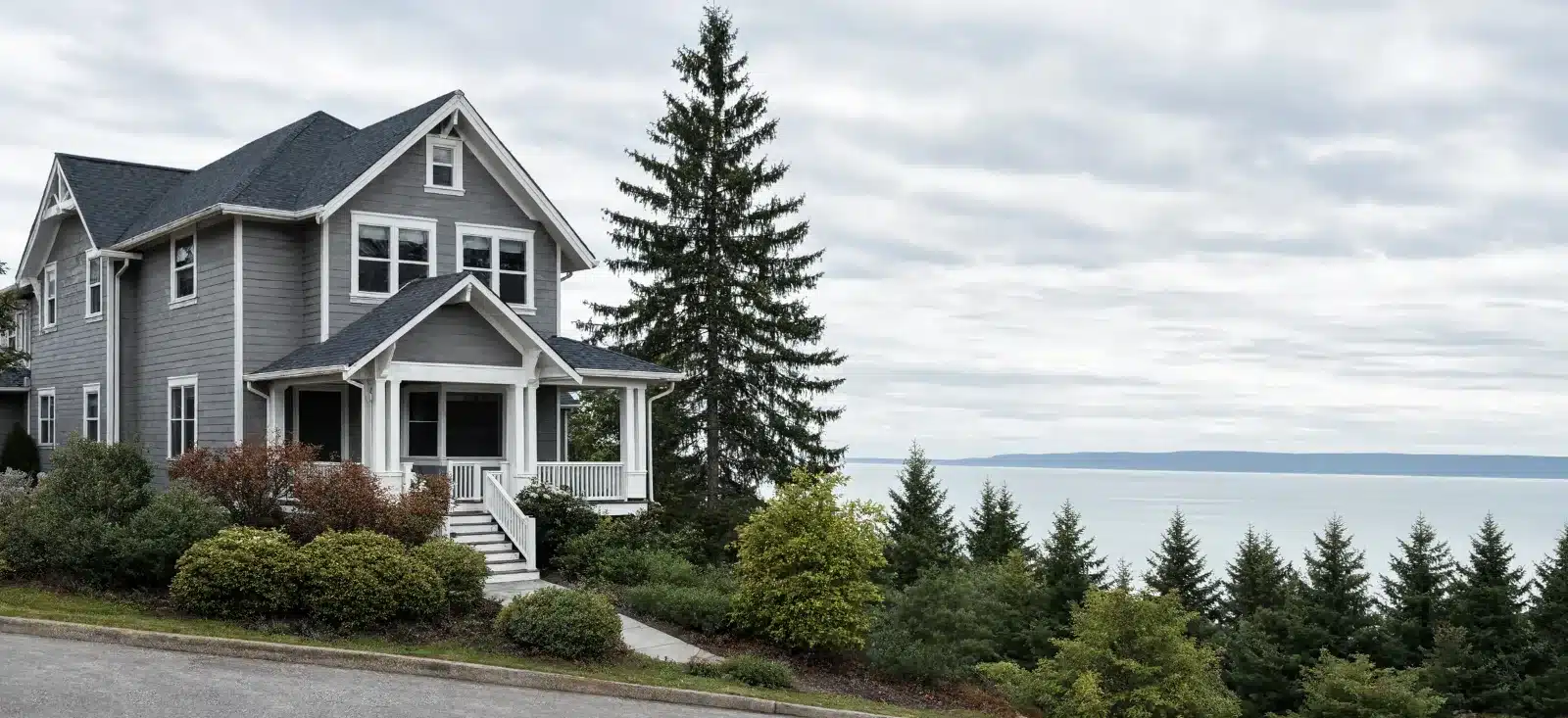
Washington has no personal income tax and a real estate excise tax that is graduated by sale price, collected before the auditor will record. It also has two very different halves: a west side where value is high and land use is tightly regulated, and an east side of dryland wheat, orchard and range. All 39 counties.
Federal tax rules are the same in every state. These three are set by Washington and by the county where the property sits.
Washington charges a graduated real estate excise tax. It is customarily charged to the grantor, and how it applies to a gift with no consideration is confirmed when we prepare the deed.
A Washington conveyance is recorded only after a real estate excise tax affidavit has been processed by the county treasurer, including for transfers claiming an exemption. It is a step rather than an obstacle, and it is where the treatment of a gift with no consideration is settled. We prepare and file it with the deed.
Deeds are recorded with the county auditor or recorder for the county where the property sits. You sign before a notary wherever you live, and we handle the filing.
Four situations that come up on both sides of the mountains.
Each links to the full guide for that type, including how a donation compares with selling.
Two climates, six markets.
High-value inherited houses with low basis, and infill lots where the land is worth more than what stands on it.
Older housing stock, small rental buildings and industrial parcels near the port.
Timbered acreage, remote cabins and shoreline parcels subject to shoreline management rules.
Waterfront and view property held by families who have scattered, with ferry access shaping the market.
City housing where repairs outrun value, plus timber and lake property in the surrounding counties.
Orchards, vineyards, dryland wheat and range, with irrigation district assessments attached to much of it.
Washington charges a graduated real estate excise tax. It is customarily charged to the grantor, and how it applies to a gift with no consideration is confirmed when we prepare the deed.
No. We prepare the deed in the form Washington requires for the county where the property sits, you sign before a notary where you live, and we record it with the county auditor.
It can, and the compensating or additional tax on a change of classification is a number we work out during the review rather than after. Often the classification simply continues in the new owner’s hands. Send the parcel number and the classification.
Washington does not levy a broad personal income tax on wages, so there is generally no state income tax deduction to claim. Your federal charitable deduction follows the usual IRS rules.
The federal deduction is the same wherever you live, and a sale of appreciated property realizes gain that a gift of long-term appreciated property generally does not. Whether that arithmetic favors you depends on your own numbers, which is a question for your advisor rather than for us.
We do not provide tax or legal advice. State and local transfer tax rules change; we confirm current requirements when we prepare each deed. Consult your own advisor.
The county and a parcel number are enough to start.