
Transfer tax
New Jersey charges a realty transfer fee based on consideration. It is customarily charged to the grantor, and how it applies to a gift with no consideration is confirmed when we prepare the deed.
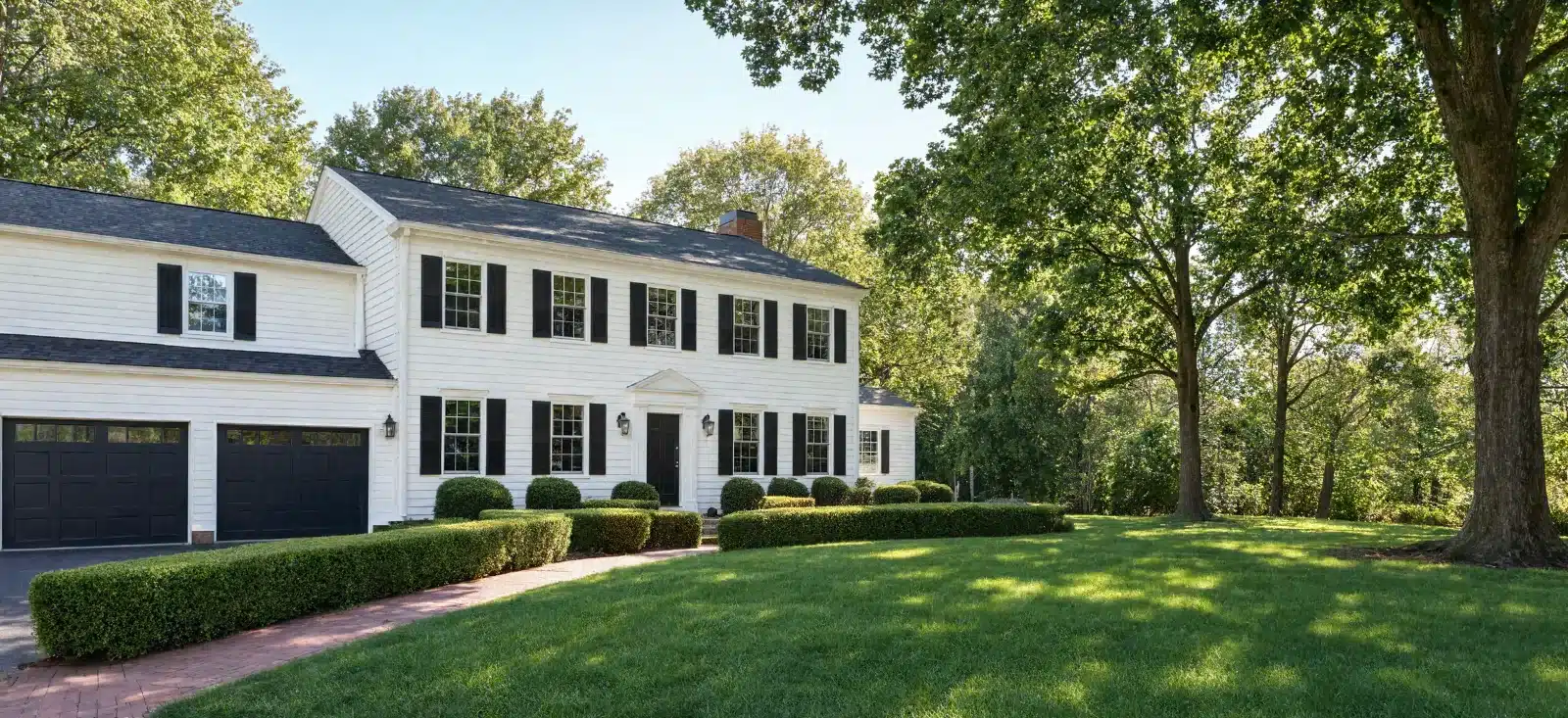
New Jersey is small, dense and expensive to hold. Property taxes here are among the highest in the country, municipalities sell tax liens rather than waiting, and shore property carries elevation and insurance questions that did not exist a generation ago. Twenty-one counties, and a different answer in almost every municipality.
Federal tax rules are the same in every state. These three are set by New Jersey and by the county where the property sits.
New Jersey charges a realty transfer fee based on consideration. It is customarily charged to the grantor, and how it applies to a gift with no consideration is confirmed when we prepare the deed.
New Jersey conveyances are filed with an affidavit of consideration, and it is where an exemption from the realty transfer fee is claimed and supported. Getting the affidavit right at recording is what prevents a bill afterwards. We prepare it with the deed.
Deeds are recorded with the county clerk for the county where the property sits. You sign before a notary wherever you live, and we handle the filing.
Four situations this state produces more of than most.
Each links to the full guide for that type, including how a donation compares with selling.
Six New Jerseys inside a two-hour drive.
High-value suburban houses with high carrying costs, and estates where the tax bill forces the decision.
Dense older housing, small mixed-use buildings and lots between occupied properties.
Post-war suburban stock and small commercial on highway frontages that have been rebuilt around.
Elevation requirements, flood insurance pricing and houses worth less than the ground they sit on.
A regional plan that restricts development across a large area, with a credit system instead of building rights on some parcels.
Lower-value housing where repair costs outrun value, plus farm ground in the outer counties.
New Jersey charges a realty transfer fee based on consideration. It is customarily charged to the grantor, and how it applies to a gift with no consideration is confirmed when we prepare the deed.
No. We prepare the deed in the form New Jersey requires for the county where the property sits, you sign before a notary where you live, and we record it with the county clerk or register of deeds.
Not automatically. In New Jersey the lien is sold rather than the property, and the certificate holder must wait before foreclosing. What decides it is whether the redemption amount sits well below what the property can sell for. Send the certificate details and the block and lot.
New Jersey has a state income tax, and how it treats a charitable contribution is set by New Jersey law rather than by us. Your federal deduction follows the usual IRS rules. Take the state question to your own advisor.
Frequently yes. Land inside the regional plan area is restricted, and in some cases carries development credits that can be used elsewhere. Value is in a different place than a building permit. Tell us the municipality, block and lot.
We do not provide tax or legal advice. State and local transfer tax rules change; we confirm current requirements when we prepare each deed. Consult your own advisor.
The county and a parcel number are enough to start.