
Transfer tax
New Mexico has no statewide real estate transfer tax on deeds. Recording fees are set locally by the county clerk.
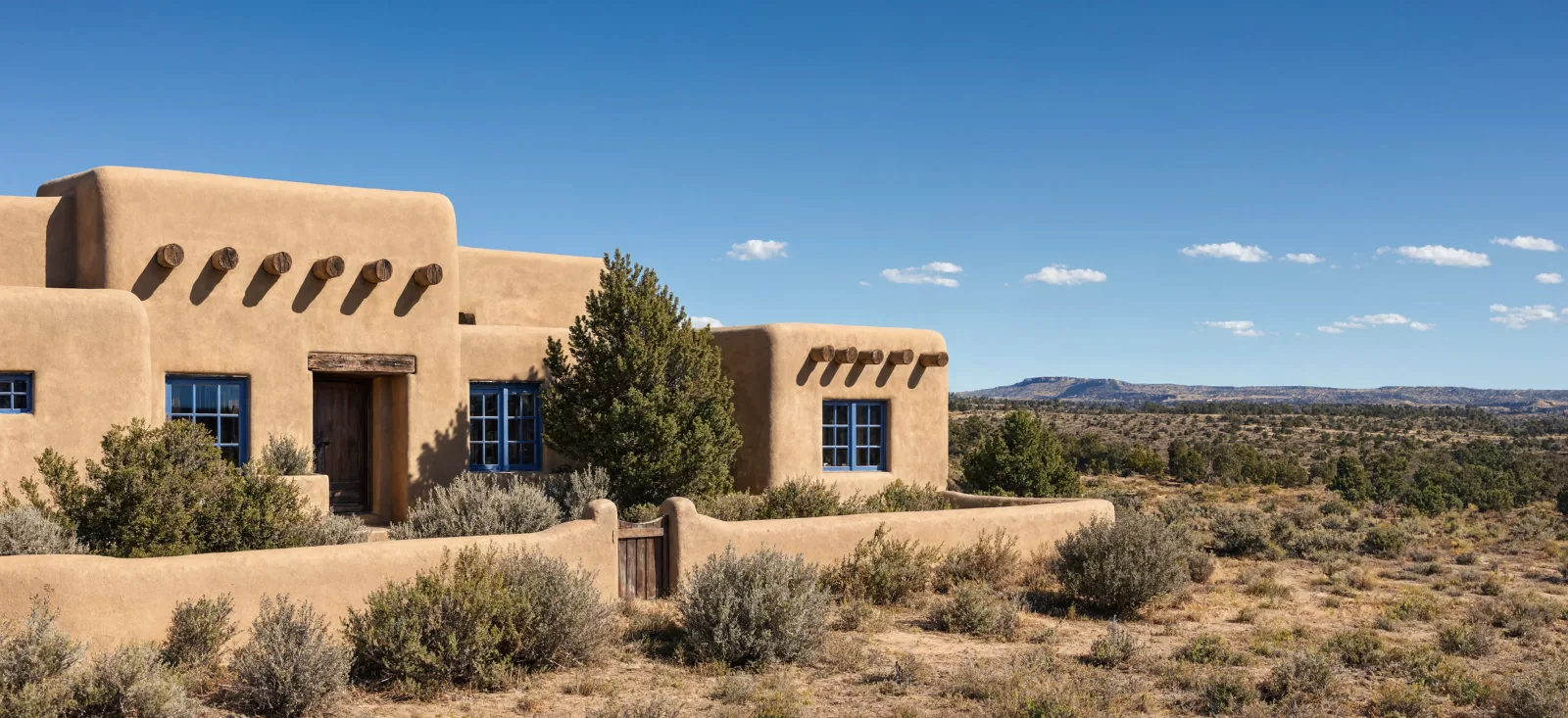
New Mexico charges no real estate transfer tax, and the complications here are historical rather than fiscal. Spanish and Mexican land grants still shape ownership in the north, acequia associations govern irrigation water that predates the state, and enormous speculative subdivisions were sold by mail across the desert in the 1960s. All 33 counties.
Federal tax rules are the same in every state. These three are set by New Mexico and by the county where the property sits.
New Mexico has no statewide real estate transfer tax on deeds. Recording fees are set locally by the county clerk.
In parts of northern New Mexico land descends from Spanish and Mexican grants, sometimes with common lands held by a grant association rather than individually. Irrigation water is commonly governed by an acequia with its own commission and rules. Both are checked before a deed is drafted, because they decide what one owner can convey alone.
Deeds are recorded with the county clerk for the county where the property sits. You sign before a notary wherever you live, and we handle the filing.
Four situations largely unique to this state.
Each links to the full guide for that type, including how a donation compares with selling.
Six New Mexicos, and history sits under most of the questions.
Inherited houses, valley ground with acequia water and subdivision lots on the west mesa.
Land grant country, adobe property with maintenance obligations and family land in undivided shares.
Reservation-adjacent land where access and jurisdiction have to be checked carefully, plus severed minerals in the San Juan basin.
Oil patch towns where housing values follow the rig count, and ranch ground with mineral interests beneath.
Pecan and chile ground with irrigation district water, plus border-area subdivision lots.
Dryland farming, range and small towns with very thin property markets.
New Mexico has no statewide real estate transfer tax on deeds. Recording fees are set locally by the county clerk.
No. We prepare the deed in the form New Mexico requires for the county where the property sits, you sign before a notary where you live, and we record it with the county clerk.
Sometimes, and it depends on whether the parcel is individually owned or part of grant common lands. Those are different things with different rules. Tell us the grant name and the county and we will find out before anything is drafted.
New Mexico has a state income tax, and how it treats a charitable contribution is set by New Mexico law rather than by us. Your federal deduction follows the usual IRS rules. Take the state question to your own advisor.
It affects who needs to be involved. Acequia associations govern the water and generally have a say in transfers affecting it. It is ordinary local practice rather than an obstacle, and we deal with the commission.
We do not provide tax or legal advice. State and local transfer tax rules change; we confirm current requirements when we prepare each deed. Consult your own advisor.
The county and a parcel number are enough to start.