
Transfer tax
Texas has no statewide real estate transfer tax on deeds. Recording fees are set locally by the county clerk.
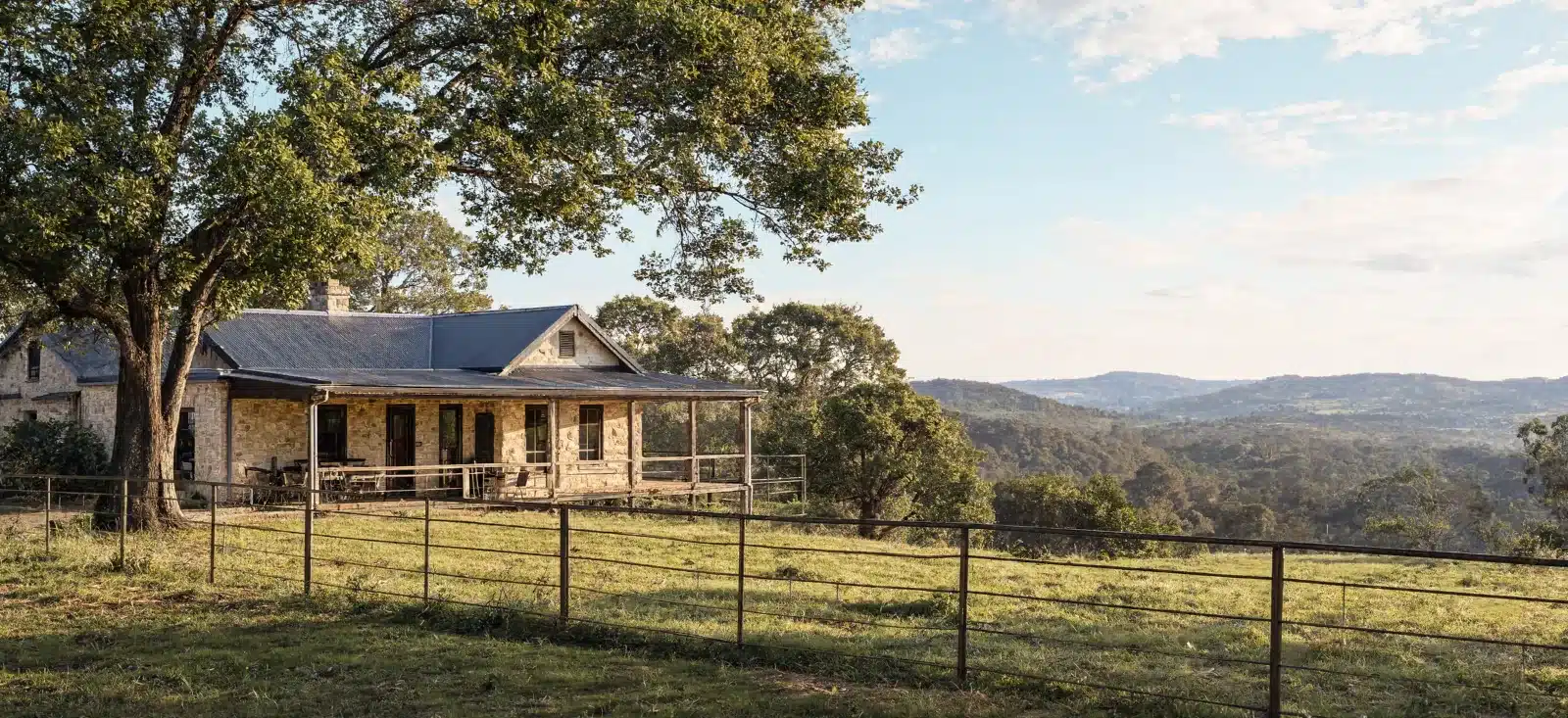
Texas has 254 counties, no state income tax and no state real estate transfer tax, which makes the mechanics of a donation here simpler than in most states. What is not simple is homestead: Texas protects it more strongly than almost anywhere, and that protection decides who has to sign. We accept houses, land, ranches, commercial buildings and mineral-severed acreage statewide.
Federal tax rules are the same in every state. These three are set by Texas and by the county where the property sits.
Texas has no statewide real estate transfer tax on deeds. Recording fees are set locally by the county clerk.
Texas homestead protection is constitutional, and a married owner cannot convey the homestead without the spouse joining in the deed, whether or not that spouse is on title. Rural homesteads and urban homesteads are defined differently by acreage. This is the first thing we check, because a deed signed without the joinder causes problems later.
Deeds are recorded with the county clerk for the county where the property sits. You sign before a notary wherever you live, and we handle the filing.
Four situations that come up here more than elsewhere. None of them is a reason a property is turned away.
Each links to the full guide for that type, including how a donation compares with selling.
Texas is several distinct property markets that happen to share a state government. The deed work is identical; what sits on the ground is not.
Flood history is the central question here, and it changes block by block. Repeated-loss houses, elevated rebuilds and lots where the house was bought out and removed.
Original-owner houses in the inner suburbs, small commercial along corridors that have been rebuilt around them, and heir property in the older neighborhoods.
Steep, rocky acreage where septic and water wells decide what can be built, and land held since long before the metro reached it.
Colonias and unplatted subdivisions in the border counties, ranch land, and older housing stock in the city core.
Dryland farming, irrigated circles over the Ogallala, and small-town commercial buildings with no buyer at any listing price.
Timber, pine plantations and heir property in the piney woods, much of it held in undivided family shares.
Texas has no statewide real estate transfer tax on deeds. Recording fees are set locally by the county clerk.
No. We prepare the deed in the form Texas requires for the county where the property sits, you sign before a notary where you live, and we record it with the county clerk.
If the property is your Texas homestead, almost certainly yes. Homestead protection here requires the joinder of both spouses regardless of whose name is on title. We confirm homestead status before a deed is drawn.
Texas does not levy a broad personal income tax on wages, so there is generally no state income tax deduction to claim. Your federal charitable deduction follows the usual IRS rules.
Often yes. An undivided fractional interest in the whole property is treated differently from a carved-out right, and it is the more workable of the two. Tell us how the interest arose and how many other owners there are.
We do not provide tax or legal advice. State and local transfer tax rules change; we confirm current requirements when we prepare each deed. Consult your own advisor.
The county and a parcel number are enough to start.