
Transfer tax
Delaware charges a realty transfer tax split between state and local government. Who pays and how it applies to a gift with no consideration is confirmed when we prepare the deed. Where the tax falls on the grantee, it is ours.
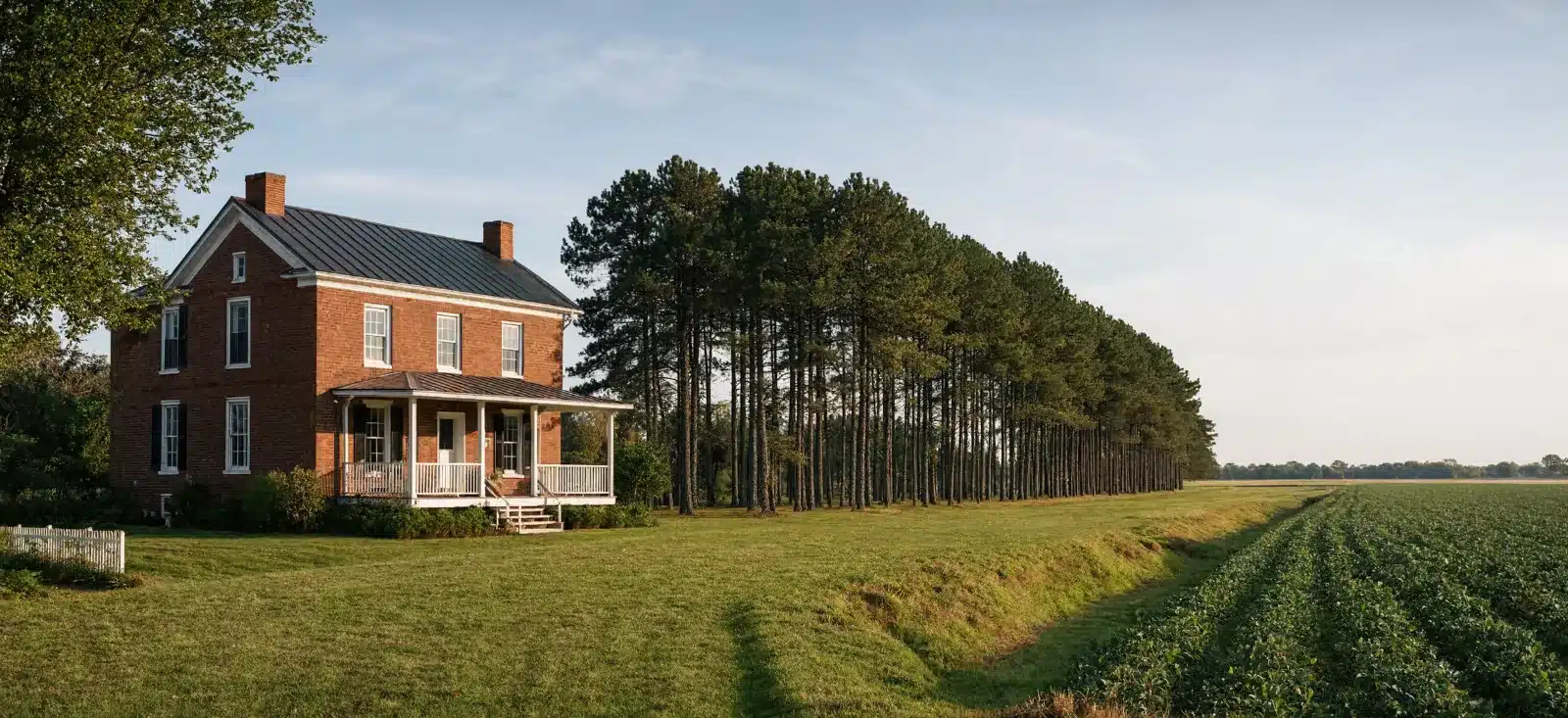
Delaware has three counties and one of the highest combined transfer tax rates in the country, split between the state and the municipality, which makes the exemption treatment of a gift worth getting right at recording. The property runs from Wilmington row houses to farm ground and beach communities in Sussex.
Federal tax rules are the same in every state. These three are set by Delaware and by the county where the property sits.
Delaware charges a realty transfer tax split between state and local government. Who pays and how it applies to a gift with no consideration is confirmed when we prepare the deed. Where the tax falls on the grantee, it is ours.
Delaware combines a state realty transfer tax with a county or municipal share, and the total is high enough that the treatment of a transfer without consideration is worth settling before recording rather than arguing afterwards. We confirm the exemption and the wording with the recorder in advance.
Deeds are recorded with the county recorder of deeds for the county where the property sits. You sign before a notary wherever you live, and we handle the filing.
Four situations across three counties.
Each links to the full guide for that type, including how a donation compares with selling.
Three counties, six distinct property situations.
Brick row houses, small multifamily buildings and lots between occupied properties.
Post-war suburban housing and small commercial on older corridors.
Farm ground on the development edge and rural housing.
Row crop and poultry ground, Dover-area housing and small-town commercial.
Poultry operations, farm ground and towns whose markets depend on the beach economy.
Coastal condos with assessments, rental cottages and flood-exposed lots.
Delaware charges a realty transfer tax split between state and local government. Who pays and how it applies to a gift with no consideration is confirmed when we prepare the deed. Where the tax falls on the grantee, it is ours.
No. We prepare the deed in the form Delaware requires for the county where the property sits, you sign before a notary where you live, and we record it with the county recorder of deeds.
That is exactly why the exemption treatment is settled before recording. Where a transfer without consideration is exempt, it is claimed on the deed; where the tax falls on the grantee, we pay it. We do not leave it to be worked out at the counter.
Delaware has a state income tax, and how it treats a charitable contribution is set by Delaware law rather than by us. Your federal deduction follows the usual IRS rules. Take the state question to your own advisor.
More than most families expect. Sometimes all owners convey together, sometimes an individual undivided share can be given on its own. Tell us how the deed reads and who is willing.
We do not provide tax or legal advice. State and local transfer tax rules change; we confirm current requirements when we prepare each deed. Consult your own advisor.
The county and a parcel number are enough to start.