
Transfer tax
Michigan charges state and county real estate transfer taxes based on value. It is customarily charged to the grantor, and how it applies to a gift with no consideration is confirmed when we prepare the deed.
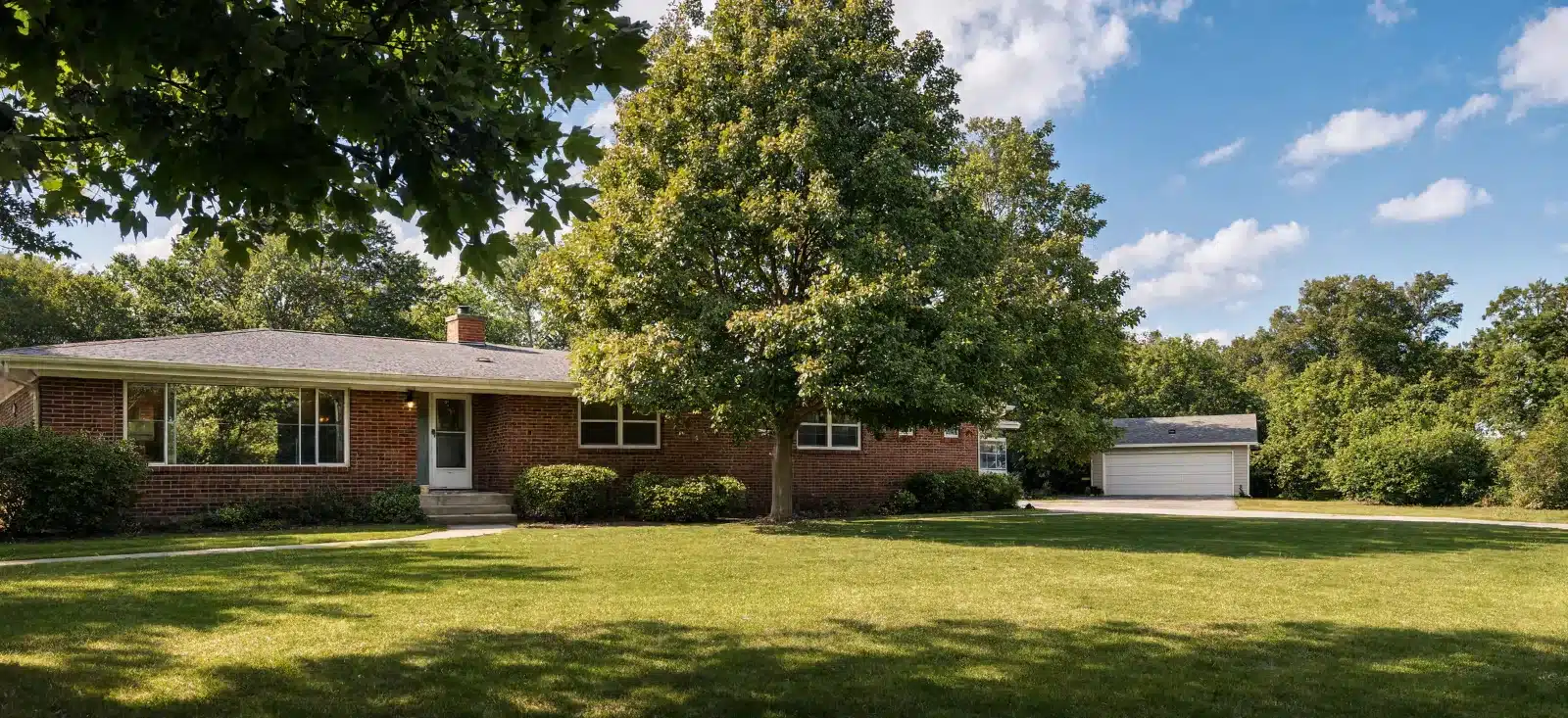
Michigan combines two things that make donations useful: a fast property tax foreclosure timetable, and a large stock of sound houses in cities where the repair bill is bigger than the finished value. Add up north cottage property held by families who have scattered, and you have most of what reaches us here. All 83 counties.
Federal tax rules are the same in every state. These three are set by Michigan and by the county where the property sits.
Michigan charges state and county real estate transfer taxes based on value. It is customarily charged to the grantor, and how it applies to a gift with no consideration is confirmed when we prepare the deed.
Michigan requires a property transfer affidavit within 45 days of a transfer, and a transfer generally uncaps the taxable value, resetting it to the assessed value. That matters to what the property costs to hold afterwards, which is part of what we review. We prepare the affidavit with the deed.
Deeds are recorded with the register of deeds for the county where the property sits. You sign before a notary wherever you live, and we handle the filing.
Four situations the state produces more of than most.
Each links to the full guide for that type, including how a donation compares with selling.
Six regions, each with a different reason a property becomes a burden.
Sound older housing that will not appraise, side lots beside occupied houses, and an active county land bank.
Similar housing economics, with tax foreclosure running on the same short annual calendar.
Grand Rapids and the lakeshore, with orchard ground inland and second homes near the water.
Cottage and cabin property held by extended families, hunting acreage, and inland lake lots.
Large timbered parcels, remote camps and small-town housing with real carrying costs.
Cash-rented cropland owned by heirs who farm elsewhere, with farmhouses standing empty.
Michigan charges state and county real estate transfer taxes based on value. It is customarily charged to the grantor, and how it applies to a gift with no consideration is confirmed when we prepare the deed.
No. We prepare the deed in the form Michigan requires for the county where the property sits, you sign before a notary where you live, and we record it with the county register of deeds.
Less time than most people think, and the exact date is what matters. Michigan runs forfeiture and foreclosure on a fixed annual calendar, and once judgment enters, the window is gone. Send the parcel number and the notice today rather than next week.
Michigan has a state income tax, and how it treats a charitable contribution is set by Michigan law rather than by us. Your federal deduction follows the usual IRS rules. Take the state question to your own advisor.
Yes. A vendor’s interest in a land contract is a recognized interest and land contracts are common in Michigan. We take over as the seller, receive the payments and deliver the deed at payoff. See land contract donations.
We do not provide tax or legal advice. State and local transfer tax rules change; we confirm current requirements when we prepare each deed. Consult your own advisor.
The county and a parcel number are enough to start.