
Transfer tax
Colorado charges a small state documentary fee, generally a penny per $100 of consideration over $500. By statute the grantee pays it, so on a donation it is ours.
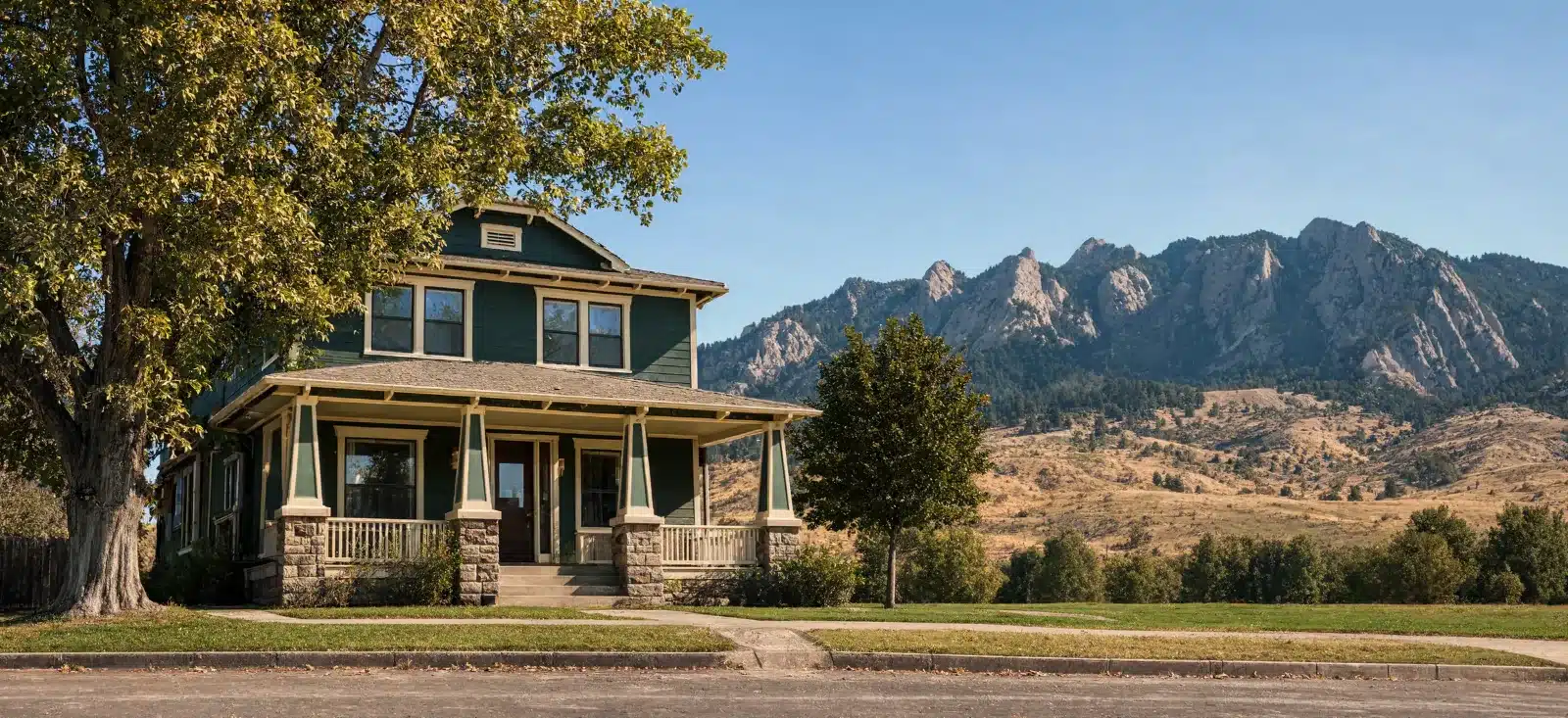
Colorado charges one of the lowest documentary fees in the country, so the friction here is rarely the tax. It is water, minerals and access. Water is a separate property right with its own court system, minerals are severed under a great deal of the state, and mountain parcels often turn out to be reachable only across somebody else’s land. All 64 counties.
Federal tax rules are the same in every state. These three are set by Colorado and by the county where the property sits.
Colorado charges a small state documentary fee, generally a penny per $100 of consideration over $500. By statute the grantee pays it, so on a donation it is ours.
In Colorado a water right is real property with its own decree and its own water court, and it does not automatically pass with the land. Mineral estates are severed across much of the state. What you own may be less, or more, than the surface suggests, so we check both before a deed is drafted.
Deeds are recorded with the county clerk and recorder for the county where the property sits. You sign before a notary wherever you live, and we handle the filing.
Four situations the state produces more of than most.
Each links to the full guide for that type, including how a donation compares with selling.
Six Colorados, and water tells most of the story.
Inherited bungalows with low basis, infill lots worth more than the house, and small commercial on corridors that changed around them.
Colorado Springs and Pueblo, with older housing, wildfire-affected parcels and subdivision lots on the prairie edge.
Second homes and deed-restricted units, plus high country lots with access and snow-load questions.
Orchard and vineyard ground, severed minerals in the gas basins, and ranch land held by families who moved away.
Dryland wheat, irrigated circles over declining aquifers, and small-town buildings with no buyer at any price.
Irrigated potato and barley ground, senior water rights, and large blocks of vacant subdivision land sold by mail in the 1970s.
A local guide for the city Colorado donors ask about most, covering the documentary fee, the water question and the access question as they apply there. Every other Colorado city is covered by this page.
Colorado charges a small state documentary fee, generally a penny per $100 of consideration over $500. By statute the grantee pays it, so on a donation it is ours.
No. We prepare the deed in the form Colorado requires for the county where the property sits, you sign before a notary where you live, and we record it with the county clerk and recorder.
Not necessarily, and in Colorado that is the question to settle first. Water is a separate property right with its own decree, and it can be owned, sold and donated apart from the ground it once served. Tell us what the decree says and we will take it from there.
Colorado has a state income tax, and how it treats a charitable contribution is set by Colorado law rather than by us. Your federal deduction follows the usual IRS rules. Take the state question to your own advisor.
No. Title transfers whether or not there is a legal road to it, and access is a separate question worth answering during the review. Sometimes a recorded easement exists that the owner never knew about.
We do not provide tax or legal advice. State and local transfer tax rules change; we confirm current requirements when we prepare each deed. Consult your own advisor.
The county and a parcel number are enough to start.